Are Strawberries Good for Dogs? A Vet-Reviewed Safety Guide
Your Quick Guide to Strawberries & Dogs
- What's Actually in a Strawberry? The Good, The Sweet, and The Pointy Bits
- The Golden Rule: How to Safely Prepare Strawberries for Your Dog
- How Much is Too Much? The Portion Size Puzzle
- When Are Strawberries NOT Good for Dogs? The Red Flags
- Strawberries vs. The Fruit Bowl: How Do They Stack Up?
- Answering Your Burning Questions (The FAQ You Actually Need)
- The Final Verdict: A Thoughtful Conclusion
You're standing in the kitchen, slicing up some bright red strawberries, and you feel that familiar nudge against your leg. Those big, pleading eyes are locked on you. The question pops into your head instantly: are strawberries good for dogs? Is it a harmless little treat or a potential problem waiting to happen? I've been there with my own Labrador, Baxter. He'd sell his soul for a piece of fruit. The internet is full of conflicting advice, which honestly just makes things more confusing. One site says it's a superfood, another hints at danger. It's enough to make you just put the berry away and give him another boring biscuit.
But what if you didn't have to guess? Let's cut through the noise. The short, sweet answer is yes, strawberries are generally safe and can even be healthy for most dogs in moderation. But—and this is a huge but—that "yes" comes with a whole list of rules, warnings, and "it depends" scenarios. Giving your dog a strawberry isn't as simple as just tossing one his way. There's a right way and a very wrong way to do it. This isn't just about whether they can eat it, but whether they should, how much, and what you need to watch out for. I've spent a lot of time digging into veterinary resources and talking to my own vet to piece together the complete picture, because frankly, our furry friends deserve clear answers, not just vague promises.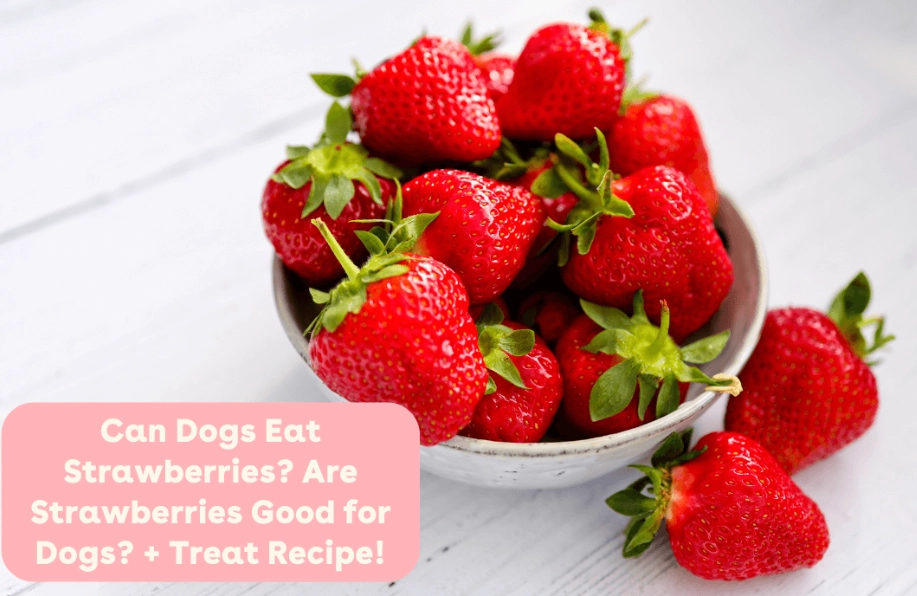
Quick Takeaway: Strawberries are non-toxic to dogs. They offer some vitamins and fiber, but they're also high in natural sugar. The key is preparation (always remove stems and leaves) and strict portion control. They are a treat, not a meal replacement.
What's Actually in a Strawberry? The Good, The Sweet, and The Pointy Bits
To really understand if strawberries are good for dogs, we need to look under the hood. What are we actually feeding them?
The good stuff is pretty appealing. Strawberries are packed with Vitamin C, which acts as an antioxidant. While dogs produce their own Vitamin C, an extra boost from food can support their immune system, especially in older or stressed dogs. They also contain a decent amount of fiber, which is great for digestive regularity. Manganese is in there too, helping with bone development and metabolism. Then there's an enzyme called malic acid, which some people believe can help naturally whiten a dog's teeth—though don't expect miracles, it's a very mild effect at best. You'd still need to brush their teeth.
Now, the not-so-great part. The primary concern is sugar. Strawberries have a high natural sugar content (fructose). For a small dog, even one medium strawberry contains a notable amount of sugar relative to their size. Consistent overfeeding can contribute to weight gain, upset stomach, and over the long term, could exacerbate conditions like diabetes. It's the same logic as with humans—too much of a sweet thing, even a natural one, isn't wise.
And then there are the physical hazards. The green leafy stem and hull aren't digestible and can pose a choking risk or cause intestinal blockage, especially in small breeds. The leaves themselves might contain trace amounts of toxins that could cause mild stomach upset. It's not a major poison, but why risk it? Always cut them off.
I made the stem mistake once. Just once. Baxter gulped a small strawberry whole, stem on. He was fine, but the anxious hour I spent watching him like a hawk wasn't worth it. Lesson learned the hard way.
The Golden Rule: How to Safely Prepare Strawberries for Your Dog
This is where most guides just say "wash and serve" and move on. That's not enough. Safe preparation is your absolute best defense against any problems. Let's break it down into a foolproof checklist.
Your Safe-Serving Checklist:
- Wash Thoroughly: Rinse under cool water to remove dirt, bacteria, and any pesticide residues. Even organic berries need a wash. I use a little vinegar-water mix sometimes for peace of mind.
- Remove ALL Green Parts: This is non-negotiable. Cut off the stem and the leafy cap (the hull). Don't just pull the leaves off; slice the top off to ensure you get the white, woody core too.
- Size Matters – Cut It Up: Never give a whole strawberry to a small or medium dog. For large dogs, it might be okay, but slicing it prevents gulping and choking. For small dogs, dice it into pea-sized pieces.
- Fresh or Frozen? Fresh is best. Plain, unsweetened frozen strawberries (thawed) are an okay alternative and can be a nice treat on a hot day. Never use strawberries in syrup, canned strawberries, or any strawberry-flavored human products like yogurt, jam, or desserts. These are loaded with added sugar, artificial sweeteners (like xylitol, which is deadly for dogs), and other junk.
Think of it like preparing food for a toddler. You wouldn't give a toddler a whole grape, right? Same principle applies here. A little extra effort makes the treat 100% safe.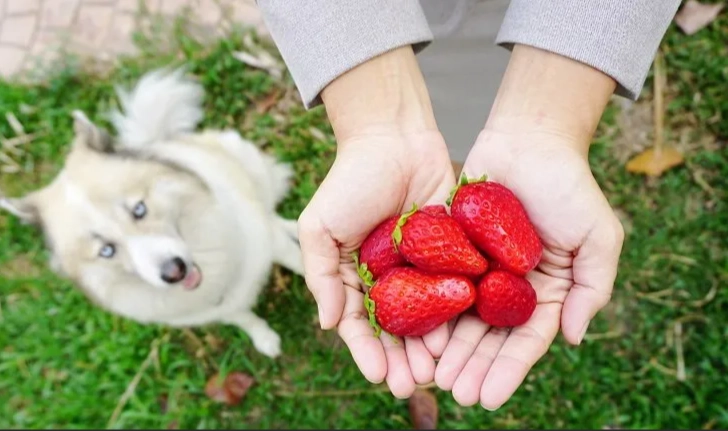
How Much is Too Much? The Portion Size Puzzle
This is the million-dollar question. The most common mistake loving pet parents make is over-treating. The official guideline from most vets is that treats (of any kind, including fruits and veggies) should not make up more than 10% of your dog's daily caloric intake. For strawberries, that translates to a pretty small amount.
Here's a more practical, weight-based guide. Remember, this is for occasional treating, not a daily staple.
| Dog Size | Weight Range | Recommended Max Portion | What It Looks Like |
|---|---|---|---|
| Extra Small (Toy Breeds) | Under 10 lbs (e.g., Chihuahua, Yorkie) | 1/2 a small strawberry or 1-2 small pieces | A couple of pea-sized dices. Seriously, that's it. |
| Small | 10-25 lbs (e.g., Dachshund, Pug) | 1 small strawberry | One berry, sliced into quarters. |
| Medium | 25-50 lbs (e.g., Beagle, Cocker Spaniel) | 1-2 medium strawberries | One or two, sliced up. |
| Large | 50-90 lbs (e.g., Labrador, German Shepherd) | 2-3 medium strawberries | A small handful, prepared. |
| Giant | 90+ lbs (e.g., Great Dane, Mastiff) | 3-4 medium strawberries | A modest handful. Don't go overboard just because they're big. |
My Baxter is 70 lbs. He gets two strawberries, chopped up, maybe once a week as a special surprise. Giving him a whole bowl would be a surefire path to an upset stomach and a sugar rush. Start with a tiny piece the first time to see how their stomach reacts.
 When in doubt, less is more. You can always give another piece next time.
When Are Strawberries NOT Good for Dogs? The Red Flags
Okay, so we've established that for a healthy dog, prepared correctly, strawberries are a fine occasional snack. But the world isn't made of perfectly healthy dogs. There are specific situations where the answer to "are strawberries good for dogs" shifts to a firm "no" or "proceed with extreme caution."
Dogs with Specific Health Conditions
If your dog has diabetes, is overweight, or has a known sensitive stomach, strawberries are likely not the best treat choice. The sugar content can mess with blood glucose levels in diabetic dogs. For overweight dogs, those are empty calories better spent on their diet food. And for a dog with a finicky gut, introducing a new, fibrous fruit is asking for trouble (gas, diarrhea). Always consult your vet before introducing new foods if your dog has a chronic health issue.
The Allergic Reaction (It's Rare, But Possible)
True food allergies in dogs are more commonly linked to proteins like chicken or beef, but any food has the potential to cause a reaction. Signs of an allergic reaction or intolerance can include:
- Itchy skin, hives, or swelling (especially around the face)
- Excessive scratching or licking
- Gastrointestinal issues like vomiting or diarrhea
- Chronic ear infections
If you notice any of these after feeding strawberries, stop immediately and talk to your vet.
Urgent Warning: Xylitol. This is critical. While fresh strawberries don't contain xylitol, many human strawberry products do. Xylitol is an artificial sweetener found in sugar-free gum, peanut butter, baked goods, and some "low-sugar" jams and desserts. It is extremely toxic to dogs, causing a rapid insulin release that leads to hypoglycemia (low blood sugar), seizures, and liver failure. Always, always check ingredient lists. This is why sticking to plain, fresh fruit is the only safe policy. The ASPCA's list of people foods to avoid is a vital resource that underscores this danger.
Strawberries vs. The Fruit Bowl: How Do They Stack Up?
You might wonder if strawberries are the best fruit option. Let's do a quick comparison with other common fruits dog owners ask about. This isn't about declaring a winner, but about understanding the landscape.
Blueberries: Often considered the top-tier dog fruit. Similar antioxidant benefits, slightly lower in sugar, smaller size makes portion control easier. A fantastic alternative.
Bananas: Much higher in sugar and starch. Should be given in even smaller, less frequent portions than strawberries. Good for potassium, but a heavier treat.
Apples: A great choice (seeds and core removed, as seeds contain cyanide). They are crunchy, lower in sugar than strawberries, and many dogs love the texture.
Watermelon: Excellent hydrating treat, very low in calories. Just make sure to remove all seeds and the rind.
Grapes/Raisins: ABSOLUTELY NOT. HIGHLY TOXIC. Can cause acute kidney failure in dogs. Never, ever give these. This is the most important distinction in the fruit world for dog safety. The FDA has issued clear warnings about the dangers of grapes and raisins for dogs, and the mechanism of toxicity is still not fully understood, making them completely off-limits.
So, are strawberries good for dogs compared to these? They sit comfortably in the middle of the pack—safer than grapes, but requiring more careful prep than blueberries. They're a solid B+ option.
Answering Your Burning Questions (The FAQ You Actually Need)
Can my dog eat strawberry leaves or stems?
No. Please don't. They are hard to digest and can cause gastrointestinal irritation or blockage. The risk isn't worth the zero nutritional benefit. Always cut them off cleanly.
What about strawberry yogurt or ice cream?
Hard no. Most dogs are lactose intolerant to some degree, so dairy can cause upset stomachs. More critically, these products are loaded with added sugars, artificial flavors, and potentially xylitol. Stick to plain fruit.
My dog ate a whole strawberry with the stem! What do I do?
Don't panic. One strawberry with a stem is unlikely to cause a major issue for a medium or large dog. Monitor them closely for the next 24-48 hours. Watch for signs of choking, gagging, vomiting, lethargy, or difficulty passing stool. If you have a very small dog or if they ate a large quantity with stems, or if you see any concerning symptoms, call your vet. For general poisoning concerns, having the ASPCA Animal Poison Control Center number (888-426-4435) handy is always smart, though note there may be a consultation fee.
Are strawberries good for dogs with upset stomachs?
Usually not. The fiber and sugar might worsen diarrhea. For an upset stomach, the classic vet-recommended diet is bland, easily digestible food like boiled chicken and rice. Introduce strawberries (or any treat) only when their system is back to normal.
Can puppies eat strawberries?
Yes, but with extra caution. Puppies have more sensitive digestive systems. Introduce a tiny, mashed-up piece after they are fully weaned and on solid puppy food. Watch for reactions. The 10% treat rule is even more important for puppies who need all their nutrients for growth.
 See? The questions get pretty specific. It's good to be curious.
The Final Verdict: A Thoughtful Conclusion
So, after all this, let's circle back to the original question: are strawberries good for dogs? The nuanced, complete answer is: They can be a safe, enjoyable, and mildly beneficial occasional treat for most healthy dogs, provided they are prepared correctly (washed, stems removed, cut up) and fed in strict moderation according to your dog's size.
They are not a dietary necessity. Your dog won't be missing out on anything crucial if they never eat one. The primary benefit is the joy of a sweet, juicy treat and the bonding moment of you sharing something you're eating. The risks—mainly from overfeeding, improper preparation, or underlying health conditions—are manageable if you're informed.
My personal stance? I'm pro-strawberry, but cautiously so. I like having a few healthy "human food" options to share with Baxter that make him feel included. Strawberries fit that bill. But they're a special weekend thing, not an everyday expectation. And I never, ever skip the prep steps. Watching him crunch happily on a few diced pieces is worth the extra minute of knife work.
Ultimately, you know your dog best. If you're unsure, the safest course is always to chat with your veterinarian. They can give you advice tailored to your dog's unique health profile. But now, at least, you can have that conversation armed with all the facts, not just a simple "yes" or "no." You can be the informed pet parent who knows exactly what to do when those puppy eyes lock onto your berry bowl.