How Long Do Maine Coons Live? Lifespan Facts & Care Tips
Quick Guide to This Article
- What's the Real Maine Coon Life Expectancy Compared to Other Cats?
- The Biggest Factors That Shape a Maine Coon's Lifespan
- The Maine Coon Aging Process: What to Expect as They Grow Older
- Your Action Plan: Practical Tips to Maximize Their Years
- Answering Your Burning Questions on Maine Coon Longevity
- Final Thoughts: It's About the Journey, Not Just the Destination
So you're thinking about welcoming a Maine Coon into your life, or maybe you already have one of these magnificent, fluffy companions ruling your home. One of the first questions that pops up, and honestly, one of the most important, is about their lifespan. How many years do you get with these gentle giants? It's a fair question. You're committing to a family member, and you want to know what the long-term looks like.
I remember when I first got my big boy, Leo. Everyone kept calling him a "small lynx" and then immediately asked, "But they don't live as long as regular cats, right?" There's a lot of misinformation out there. Some people hear "large breed" and assume shorter lives, like with some dog breeds. Others have heard legendary tales of 20-year-old Maine Coons. The reality, as usual, is somewhere in the middle, but with a lot of nuance.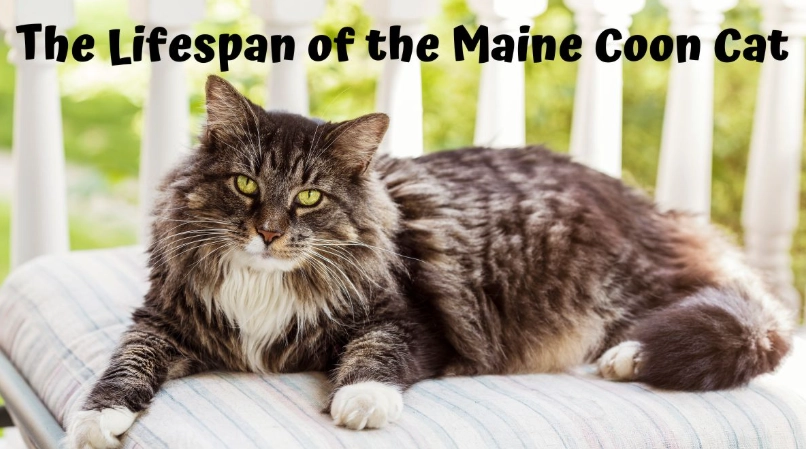
Let's cut through the noise. The typical Maine Coon lifespan generally falls between 12 and 15 years. That's a good, solid average for a well-cared-for cat of this breed. But here's the thing – "average" means some pass away earlier, and some absolutely smash through that ceiling, living into their late teens or even early twenties. The range is what's interesting, and more importantly, why it exists. What separates a 10-year lifespan from a 17-year one often comes down to factors we can actually influence.
Key Takeaway Right Off the Bat: Don't fixate solely on the number. Focusing on the quality of those years is just as crucial. A robust 13-year lifespan full of play and purrs is far better than a frail 16 years. Our goal is to maximize both.
What's the Real Maine Coon Life Expectancy Compared to Other Cats?
You might wonder how this stacks up against your average domestic shorthair. It's a good comparison to make. The general consensus from veterinary sources is that the average lifespan for an indoor domestic cat is about 12 to 18 years. So, a Maine Coon's life expectancy sits comfortably within, perhaps even at the robust lower end, of that common range.
They are not inherently short-lived. However, they aren't typically the breed that consistently hits the 18-20 year mark as often as some smaller, mixed-breed cats might. Their size brings certain considerations. Think of it this way: everything is just a bit more work on a larger frame – the joints, the heart, the overall system. That doesn't doom them to a short life, it just means proactive care is non-negotiable.
Here’s a quick, sobering comparison. Some dog breeds of similar size, like Great Danes, have average lifespans of 7-10 years. Suddenly, the Maine Coon's 12-15 years seems pretty impressive for a giant! It's all about perspective.
Illustrates the "giant breed" challenge across species.
| Breed/Type | Average Lifespan Range | Key Context |
|---|---|---|
| Maine Coon Cat | 12 - 15 years | Well-bred, indoors with preventative care. Size is a factor. |
| Domestic Shorthair (Mixed Breed) | 12 - 18+ years | Genetic diversity often lends robustness. |
| Siamese Cat | 15 - 20 years | Often noted for longevity, but prone to specific health issues. |
| Large Dog (e.g., Great Dane) | 7 - 10 years |
See? It's not a bad place to be. But that table is just the "what." The real meat of the conversation is the "why" and the "how." How do we make sure our cat lands on the upper end of that Maine Coon lifespan spectrum?
The Biggest Factors That Shape a Maine Coon's Lifespan
This isn't just about luck or genetics in a vague sense. Specific, tangible things directly influence how long your cat lives. Some you control completely, others you can only manage. Let's break them down.
1. Genetics and Breeding: The Foundation You Can't Change
This is the hand your cat is dealt at birth, and it's massive. A responsible breeder is your first and best defense against a shortened lifespan. Irresponsible breeding, focused only on looks or profit, can propagate devastating genetic conditions.
The big ones to be aware of:
- Hypertrophic Cardiomyopathy (HCM): This is the big one. A thickening of the heart muscle that can lead to heart failure. It's the most common heart disease in cats, and Maine Coons have a known hereditary form. A good breeder will have their breeding cats regularly screened by a veterinary cardiologist. Don't just take their word for it; ask to see the reports. The VCA Animal Hospitals has a thorough, clear explanation of HCM that's worth reading.
- Spinal Muscular Atrophy (SMA): A genetic disorder affecting the spinal cord, leading to muscle weakness. Reputable breeders test for this.
- Hip Dysplasia: Yes, cats get it too, especially large ones like Maine Coons. It can lead to painful arthritis. Good breeders screen for this as well.
My personal stance? The upfront cost of a kitten from a truly ethical, health-testing breeder is an investment in their future health and your future heartache (and vet bills). It's the single most important decision you make regarding their potential lifespan.
2. Diet and Weight Management: The Daily Make-or-Break
If genetics is the foundation, diet is the daily construction. And with Maine Coons, the biggest dietary threat isn't underfeeding—it's overfeeding.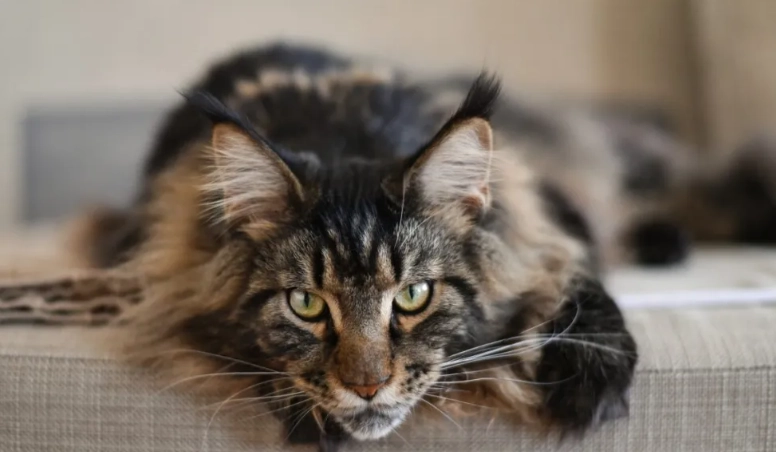
Let's be blunt: A fat Maine Coon is an unhealthy Maine Coon, full stop. Carrying extra weight puts immense strain on their joints (already vulnerable), their heart (already a concern), and can lead to diabetes. It's a surefire way to shorten their life and reduce its quality.
These cats are big-boned and muscular. You shouldn't be able to see their ribs, but you should easily feel them with light pressure. A defined waist from above is a good sign. Talk to your vet about the exact calorie count. Don't free-feed a high-quality dry food all day; it's a recipe for obesity. Controlled portions of a high-protein, species-appropriate diet are key. I made the mistake of over-treating Leo in his first year, and getting him back to a healthy weight was a chore. Learn from my error.
3. The Indoor vs. Outdoor Debate
This one isn't really a debate in my book, or in the books of most veterinarians and feline welfare organizations. The data is overwhelming.
An outdoor Maine Coon's life expectancy plummets. We're talking potentially halving it. The dangers are a brutal checklist: cars, predators (even in suburbs), cruel humans, parasites, contagious diseases from other cats (like FIV/FeLV), poisoning (accidental or malicious), and simply getting lost.
The ASPCA strongly advocates for keeping cats indoors for their safety and longevity. For a valuable, often trusting breed like the Maine Coon, the risk is just too high. If they crave the outdoors, consider a secure "catio" or harness training for supervised adventures. Keeping them indoors is one of the most effective guarantees you can make for a longer Maine Coon lifespan.
4. Preventative Veterinary Care: Catching Problems Early
You can't manage what you don't measure. Annual check-ups are non-negotiable for adult cats. For seniors (Maine Coons over 8-10 years), bi-annual check-ups are wise. This isn't just about vaccines.
A thorough vet will listen to the heart (for murmurs hinting at HCM), feel the joints, check weight trends, and recommend baseline bloodwork as they age. Bloodwork can detect early kidney issues, thyroid problems (hyperthyroidism is common in older cats), or diabetes long before you see symptoms. Early detection is everything. It's the difference between managing a condition for years and facing a crisis.
Pro Tip: Start handling your Maine Coon kitten's paws, mouth, and ears gently every day. This makes vet visits (and at-home nail trims/teeth brushing) infinitely less stressful for everyone. Lower stress means more accurate exams and a happier cat.
5. Environment and Enrichment: A Happy Cat is a Healthier Cat
Boredom and stress are silent killers. Maine Coons are intelligent, playful, and often social. They need mental and physical stimulation.
- Vertical Space: They love to climb. A sturdy, tall cat tree is a must for their joints and their ego.
- Interactive Play: Daily play sessions with wand toys mimic hunting, providing exercise and bonding. It keeps their mind sharp and body agile.
- Companionship: Many Maine Coons thrive with a feline friend, especially if you're away often. It provides social interaction and play. But introduce properly!
A stimulated cat is less likely to develop stress-related issues like cystitis and is more likely to maintain a healthy weight and muscle tone, all supporting a long lifespan.
The Maine Coon Aging Process: What to Expect as They Grow Older
Understanding their lifespan means understanding the stages. It's not just a number; it's a journey.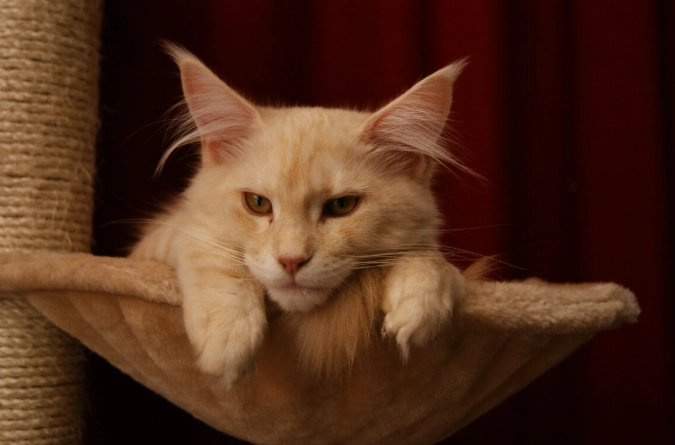
Kitten to Adult (0-4 years): All growth and goofiness. They reach full size around 3-4 years. This is the time to establish lifelong healthy habits—diet, play, handling.
Prime Adult (4-8 years): They've settled into their size and personality. Vigilant maintenance is key. Annual vet checks, weight monitoring, dental care.
Senior (8-12 years): Welcome to the golden years. You might notice they sleep more, play a little less vigorously, and might start showing early signs of arthritis (hesitation to jump, stiffness). Diet may need adjusting to a senior formula. Bi-annual vet visits become important.
Geriatric (12+ years): Every year is a gift. Mobility, kidney function, and senses may decline. Your home may need adaptations (ramps to favorite spots, more accessible litter boxes). The focus shifts heavily to comfort and quality of life. Pain management for arthritis becomes a common and vital conversation with your vet.
Resources like the Cat Friendly Homes guide from the American Association of Feline Practitioners (AAFP) offer excellent, vet-backed advice on caring for older cats.
Watching Leo transition from a clumsy kitten to a dignified senior has been a profound lesson in adaptation. His needs changed, and my care had to change with them. It's a partnership.
Your Action Plan: Practical Tips to Maximize Their Years
Okay, so theory is great, but what do you actually do? Here's a concrete list.
- Choose the Breeder Like Your Cat's Life Depends On It (It Does): Ask for proof of HCM, SMA, and hip dysplasia screening for both parents. Meet the breeder, see the conditions.
- Commit to Indoor Life: No exceptions. Build a safe outdoor enclosure if you must.
- Master Portion Control: Work with your vet to determine daily calories. Use a measuring cup. Limit treats.
- Invest in Annual Vet Care: See it as essential maintenance, not an optional cost. Budget for it.
- Dental Health Matters: Dental disease causes systemic inflammation. Brush teeth if you can, or use approved dental treats/water additives. Your vet may recommend professional cleanings.
- Keep Them Moving: Engage in daily interactive play. It's bonding and a workout.
- Provide Mental Challenges: Food puzzles, training sessions (they can learn tricks!), and rotating toys.
- Spay/Neuter: This prevents certain cancers and reduces roaming urges.
- Observe Closely: You know your cat best. Notice subtle changes in appetite, water intake, litter box habits, or activity level. Report them to your vet promptly.
Answering Your Burning Questions on Maine Coon Longevity
See? The questions get very specific. People want to know what they're signing up for.
Final Thoughts: It's About the Journey, Not Just the Destination
Focusing solely on the Maine Coon lifespan number can make you anxious. I've been there, counting the years ahead with a sense of dread. But that's the wrong way to look at it.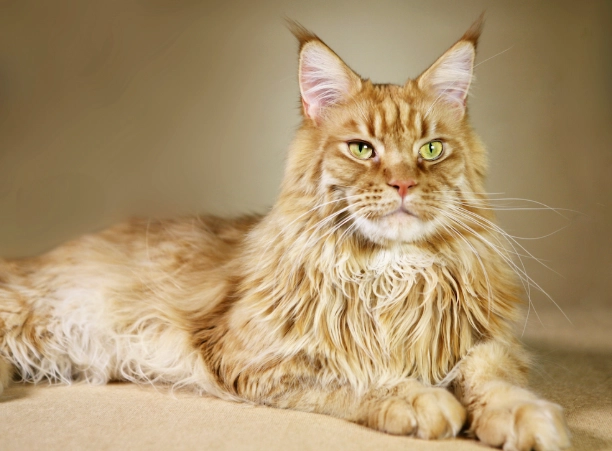
Shifting your focus to the quality of each day is liberating and more productive. Are they eating well? Are they playing? Are they comfortable? Are they loved? By concentrating on these actionable things—the excellent nutrition, the stimulating play, the regular vet partnership—you are doing everything in your power to ensure that the lifespan they have is not just long, but full, happy, and healthy.
The goal isn't to cheat nature, but to give your gentle giant the best possible foundation so they can live out their full, natural potential. That potential, for a Maine Coon, is a wonderfully long time filled with chirps, headbutts, and majestic fluff. It's a commitment worth every single day.
Start with a good breeder. Commit to indoor living. Watch their weight like a hawk. And never skip that vet appointment. Do those things, and you’ll have the best shot at enjoying a long, wonderful journey with your feline giant.