FVRCP Vaccine for Cats: Your Complete Guide to Cost, Schedule & Side Effects
In This Guide
- What Is the FVRCP Vaccine, Really?
- But My Cat is 100% Indoor. Do They Still Need the FVRCP Vaccine?
- The FVRCP Vaccine Schedule: A Timeline for Kittens and Adults
- What About Side Effects? The Good, The Bad, and The Very Rare
- How Much Does the FVRCP Vaccine Cost? Breaking Down the Numbers
- Your FVRCP Vaccine Questions, Answered
- The Bottom Line: Making Your Decision
Let's talk about the FVRCP vaccine. If you're a cat owner, you've probably heard your vet mention it. Maybe you nodded along, only to get home and think, "Wait, what exactly is that again?" You're not alone. It's one of those core vaccines that gets recommended so often, we sometimes forget to ask the basic questions. What's in it? Is it really necessary, especially for my cat who never sets a paw outside? What are the risks, and what does it actually protect against?
I remember when I first took my kitten in. The vet started throwing around terms like "feline distemper" and "herpesvirus," and my head was spinning. I just wanted to do the right thing for my cat, but I felt lost. That's why I dug deep into this topic—so you don't have to feel that way.
This guide is my attempt to break down everything about the FVRCP vaccine, from the science behind it to the practical stuff like cost and schedules. We'll cut through the jargon and get to what you, as a cat parent, actually need to know to make a good decision.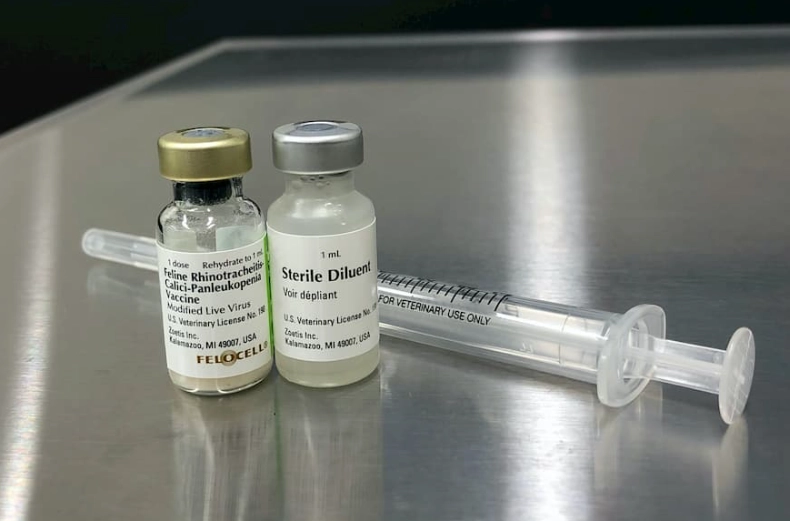
What Is the FVRCP Vaccine, Really?
FVRCP is an acronym. It sounds technical, but it's just a shorthand for the three diseases it fights. It's a single shot that combines protection against three nasty viruses.
Breaking Down the Letters: FVR-C-P
- FVR: Feline Viral Rhinotracheitis. This is caused by the feline herpesvirus type 1 (FHV-1). Don't let the "herpes" part scare you—it's not the same as the human version. In cats, it's a major cause of upper respiratory infections. Think severe sneezing, runny nose, conjunctivitis (gunky eyes), and ulcers. The tricky part? Once a cat is infected, the virus hides in the body for life and can flare up during times of stress. The FVRCP vaccine won't always prevent infection, but it can make symptoms much milder if your cat does get sick.
- C: Calicivirus. Another big player in cat colds. Calicivirus can cause similar respiratory symptoms but is also notorious for causing painful ulcers on the tongue, gums, and palate. Some strains can even lead to lameness. It's highly contagious and can be particularly severe in kittens.
- P: Panleukopenia. This is the "P" and arguably the most serious of the three. You might hear vets call it "feline distemper." It's caused by a parvovirus (related to the dog version) and is absolutely devastating. It attacks rapidly dividing cells, especially in the intestines and bone marrow, leading to severe vomiting, diarrhea (often bloody), dehydration, and a catastrophic drop in white blood cells that leaves the cat defenseless against other infections. The fatality rate is high, especially in kittens. This is the component of the FVRCP vaccine you really, really don't want to skip.
So, in a nutshell, the FVRCP vaccine is your cat's primary shield against the most common and dangerous contagious diseases they're likely to encounter. It's not just for "sickly" cats; it's standard preventive medicine.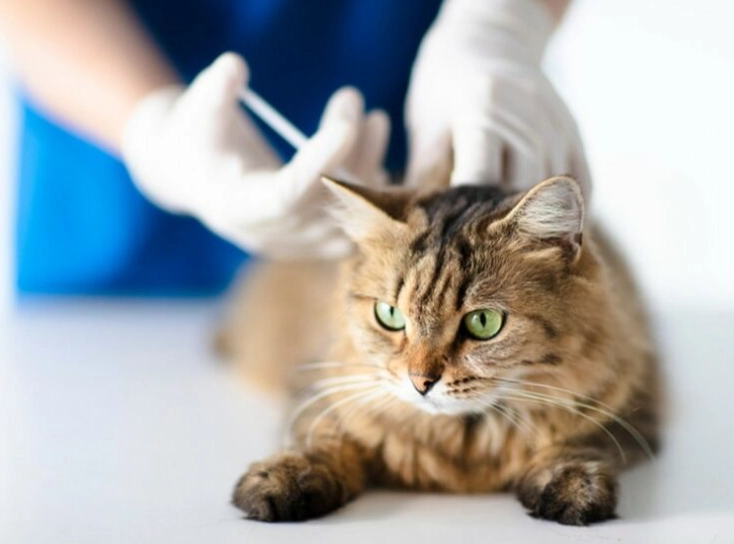
But My Cat is 100% Indoor. Do They Still Need the FVRCP Vaccine?
This is the million-dollar question, and I totally get it. Your cat lounges on the windowsill, watches birds, and has zero contact with the outside world. Why bother?
Here's the uncomfortable truth: the world comes to them. These viruses are incredibly tough and can hitch a ride on you. You walk on a sidewalk where a stray cat sneezed. You visit a friend who has a cat. You bring home a new piece of furniture or even groceries that have been in a warehouse. The panleukopenia virus, in particular, can survive in the environment for years and is resistant to many common disinfectants. It only takes a tiny, invisible particle on your shoe to bring it into your safe space.
I used to think my indoor-only policy was an ironclad defense. Then I spoke to a vet who told me about an indoor cat that got severely ill from calicivirus. The owner's best guess? The virus came in on the delivery person's pants cuff. It sounds far-fetched until it happens.
So, the short answer is yes, most vets will strongly recommend the FVRCP vaccine for indoor cats. The argument is about managing a small, known risk (the vaccine) versus a potentially catastrophic, unknown one (the disease). However, the schedule for an adult indoor cat might be less frequent than for an outdoor adventurer, which brings us to the next big topic.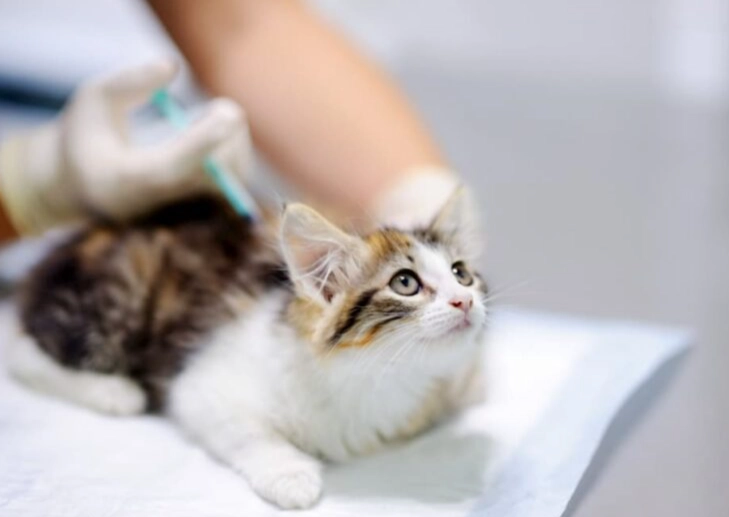
The FVRCP Vaccine Schedule: A Timeline for Kittens and Adults
There's no one-size-fits-all schedule. It depends on your cat's age, lifestyle, health, and even local disease prevalence. Your vet will tailor it. But here's the typical framework everyone starts with.
For Kittens: Building the Foundation
Kittens get temporary immunity from their mother's first milk (colostrum). These maternal antibodies fade over time, but while they're present, they can actually block a vaccine from working. That's why we give a series of shots—to catch that window when mom's protection drops low enough but before the kitten is left vulnerable.
| Age | Typical FVRCP Vaccine Dose | Why This Timing? |
|---|---|---|
| 6-8 weeks | First dose | Starting point. Maternal antibodies may still neutralize this dose, but it begins priming the immune system. |
| 10-12 weeks | Second dose | Critical booster. Given 3-4 weeks after the first. By now, maternal antibodies are waning for more kittens. |
| 14-16 weeks | Third (and often final kitten) dose | Ensures protection. Given at or after 16 weeks, when maternal antibodies are almost certainly gone. |
Some vets might recommend a fourth dose at 18-20 weeks in high-risk situations or certain breeds. After this kitten series, there's a crucial booster.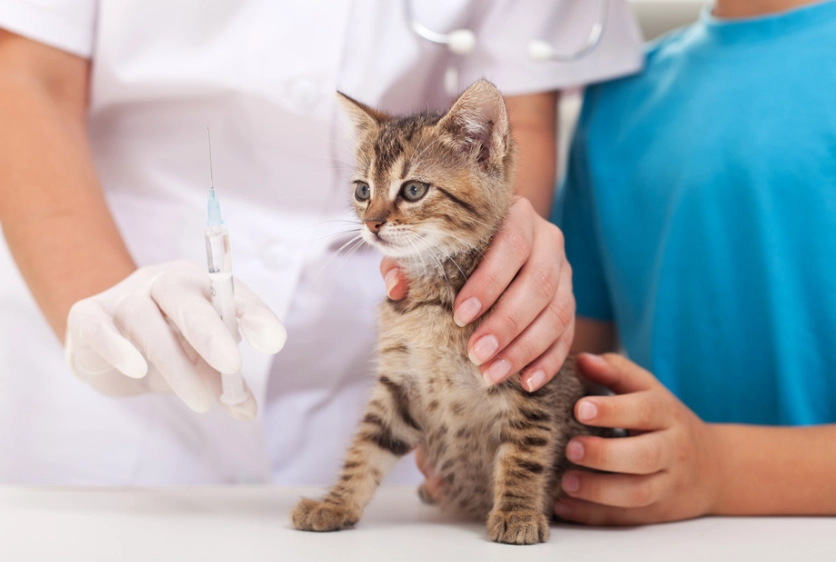
The One-Year Booster
About one year after the final kitten shot, your cat gets another FVRCP vaccine. This solidifies long-term immunity. It's non-negotiable in most protocols.
For Adult Cats: The Great Debate (Every 1 Year vs. Every 3 Years)
This is where opinions differ, and it's worth a chat with your vet. Historically, shots were given yearly. However, research has shown that for the core FVRCP vaccine, immunity often lasts longer than 12 months.
Why the shift? It's about balancing protection with minimizing the number of injections over a cat's lifetime. However, "can be" doesn't mean "must be." Some vets, clinics, or local regulations (like for licensing) may still recommend or require an annual schedule. Some owners of indoor cats feel more comfortable with the three-year gap, while others prefer the yearly check-in. There's no universally "right" answer, only what's right for your cat's specific situation.
My own vet moved to the three-year schedule for my indoor cats, and honestly, it made me nervous at first. But after looking at the studies and her explanation of my cats' low-risk lifestyle, it made sense.
What About Side Effects? The Good, The Bad, and The Very Rare
Let's be real. The fear of side effects stops a lot of people from vaccinating. It's a legitimate concern. Most reactions are mild and short-lived, but it's important to know what to watch for.
Common, Mild Reactions (The "Normal" Stuff)
These usually pop up within a few hours and fade in a day or two. They're a sign the immune system is doing its job, albeit a bit enthusiastically.
- Lethargy/Sleepiness: Your cat might just want to nap the rest of the day. This is probably the most common reaction I've seen.
- Mild Discomfort at the Injection Site: A little tenderness, maybe a small, firm lump. This should go down within a couple of weeks.
- Low-Grade Fever.
- Reduced Appetite: They might skip a meal or two.
- Sneezing (for intranasal vaccines): If your vet uses the nose-drop form of the vaccine, some sneezing or nasal discharge for a few days is expected.
Honestly, my cat just sleeps extra hard and gives me the stink-eye for taking her to the vet. It passes.
Less Common, More Concerning Reactions
These warrant a call to your vet.
- Vomiting or Diarrhea.
- Hives, Itching, or Facial Swelling: Signs of a more significant allergic reaction.
- Persistent Lameness or Pain.
- A lump at the injection site that grows, persists for over 3 months, or is larger than 2 cm. While rare, this can be a sign of a vaccine-associated sarcoma (VAS), a type of cancerous tumor. The risk is extremely low (estimated at 1 in 10,000 to 1 in 30,000 vaccines), but it's why vets now often give shots in specific locations (like the lower leg or tail) where a tumor would be easier to surgically remove if it ever did occur. This is a scary topic, but it's crucial to keep the risk in perspective—the diseases the vaccine prevents are far more common and dangerous.
It's a risk-benefit analysis. For the vast majority of cats, the protection offered by the FVRCP vaccine far outweighs the small chance of a serious adverse event.
How Much Does the FVRCP Vaccine Cost? Breaking Down the Numbers
You want a straight answer, but it's tricky. There's no fixed price. It depends on your location, the vet clinic (urban vs. rural, corporate vs. private), and what's included in the visit.
Generally, you're not paying for just the liquid in the syringe. You're paying for:
- The vaccine itself.
- The professional expertise to administer it safely and correctly.
- The physical exam that should always accompany a vaccination (to ensure your cat is healthy enough to receive it).
With that in mind, here's a rough, realistic range based on average costs across the US:
- For the FVRCP vaccine alone (during a wellness visit): $25 - $45
- For a full kitten visit (which includes the FVRCP shot, exam, and possibly deworming): $50 - $100+ per visit.
- Package Deals: Many clinics offer "kitten packages" or "wellness plans" that bundle all the initial vaccines, exams, and sometimes spay/neuter for a single price. These can offer significant savings.
Low-cost clinics or vaccine clinics at pet stores will be on the lower end, while full-service veterinary hospitals will be on the higher end. Don't be afraid to call around and ask for a price estimate. Just remember, the cheapest option isn't always the best if it doesn't include a proper physical exam.
I've paid anywhere from $30 to $55 for the shot as part of an annual check-up, depending on which vet I was seeing at the time.
Your FVRCP Vaccine Questions, Answered
- Pre-medicate with an antihistamine before the next vaccine.
- Switch to a different brand or type (e.g., from one manufacturer to another).
- Consider extending the interval between boosters further.
- In very rare cases of severe reaction, discuss waiving certain components.
The Bottom Line: Making Your Decision
After all this, where do you land? For me, the evidence is overwhelming that the core FVRCP vaccine is a cornerstone of responsible cat care. The diseases it prevents—particularly panleukopenia—are brutal and often fatal, while the vaccine is overwhelmingly safe and effective.
The conversation with your vet shouldn't be "Should we vaccinate?" but rather "What is the best vaccination protocol for my specific cat's life stage and lifestyle?"
Discuss the indoor/outdoor risk, the 1-year vs. 3-year booster debate, and any past reactions. Keep a record of your cat's vaccination dates and the vaccine brand/lot number (usually on a sticker from the vial on their record). The Cornell Feline Health Center is another fantastic resource for trustworthy, science-backed cat health information.
It's easy to get paralyzed by information or fear. But doing nothing is a choice, and often a riskier one. Giving your cat the protection of the FVRCP vaccine is one of the simplest, most powerful ways to give them a long, healthy life. And isn't that what we all want for our furry family members?
Just remember, you're not alone in figuring this out. A good vet is your partner, not just a shot-giver. Ask the questions, voice your concerns, and together you can make the plan that lets you both sleep soundly at night.