Do Cats Cry Tears? Decoding Feline Eye Watering & Emotion
You’re sitting on the couch, and you notice your cat. There’s a wet streak below her eye. Your heart clenches. Is she sad? In pain? The question hits you: do cats cry like we do? The short, direct answer is no, not in the way humans sob from emotion. But those watery eyes are speaking. They’re just using a different language—one of health, environment, and sometimes, silent distress. Let's decode it.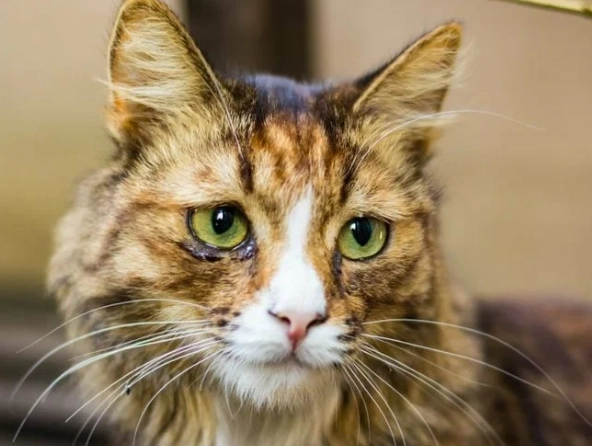
What's Really Going On With Your Cat's Eyes?
Tears vs. "Crying": A Biological Mismatch
Here’s the core misunderstanding. Humans have a direct neurological link between our limbic system (the emotion center) and our lacrimal glands (the tear producers). Strong feelings trigger the faucet.
Cats? Their tear system is strictly utilitarian. According to veterinary resources like those from the American Veterinary Medical Association (AVMA), the primary job of feline tears is to lubricate the eyeball, deliver nutrients, and flush out irritants. It’s a maintenance system, not an emotional outlet.
So when you see cat crying tears, you’re almost always looking at a physical issue, not an emotional one. Thinking it’s sadness can lead you to miss the real problem—which is often uncomfortable or painful for them.
I learned this the hard way with my old cat, Mochi. He had a persistent watery eye I kept dismissing as "just his thing." Turned out it was a partially blocked tear duct that later caused a minor infection. I was attributing human emotion to a plumbing problem.
The Usual Suspects: Why Your Cat's Eyes Water
Let’s break down the actual reasons. I find a table helpful here to see the differences at a glance.
| Cause | What It Looks Like | Typical Symptoms Beyond Watering | Action Needed |
|---|---|---|---|
| Irritants (Dust, Pollen, Spray) | Clear, watery discharge. Might affect one or both eyes. | Mild squinting, occasional pawing at face. Usually resolves when irritant is gone. | Monitor. Flush gently with saline if safe. Remove source (e.g., air freshener). |
| Conjunctivitis ("Pink Eye") | Discharge can be clear, yellow, or green. The eye lining looks red and swollen. | Pronounced squinting, keeping eye closed, obvious discomfort. Can be viral or bacterial. | Vet visit. Needs diagnosis. Bacterial cases require antibiotic drops. |
| Blocked Tear Duct | Constant overflow of clear tears, leading to stained fur (red-brown streaks). | Often no pain. Just chronic wetness, especially in flat-faced breeds (Persians, Himalayans). | Vet can diagnose. May require flushing under anesthesia if problematic. |
| Corneal Ulcer (Scratch on Eye) | Excessive watering, often with extreme sensitivity. | Intense squinting, avoiding light, pawing desperately at the eye. Very painful. | Emergency vet. Ulcers can worsen rapidly and threaten vision. |
| Upper Respiratory Infection | Watery eyes combined with nasal symptoms. | Sneezing, runny nose, lethargy, maybe fever. Common in kittens. | Vet visit. Needs supportive care or antivirals/antibiotics. |
| Allergies | Itchy, watery eyes, often seasonal. | Itchy skin, sneezing, over-grooming. Both eyes usually affected. | Vet can identify allergen. May recommend antihistamines or diet change. |
See how most of these are medical? That’s the key takeaway. The cat watery eyes are a symptom, not the disease.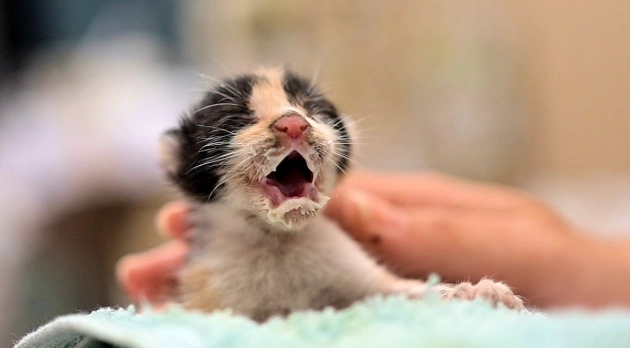
Reading the Real Signs of Feline Sadness & Stress
Okay, so cats don’t weep. But they absolutely feel grief, anxiety, and depression. They just express it differently. If your cat is "crying" emotionally, here’s what you’ll actually see:
Behavioral shut-down is a big one. A sad cat hides more, sleeps excessively, and loses interest in play, food, or you. Their posture changes—ears might be low, tail tucked, body hunched. They may stop grooming, leading to a matted, dull coat.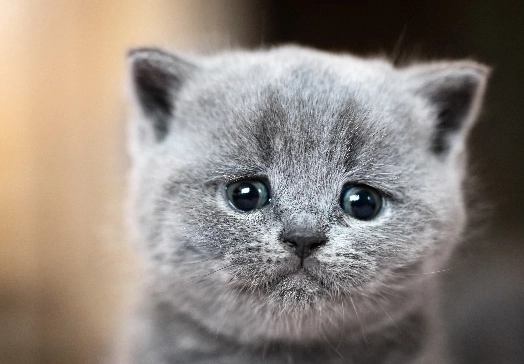
Vocalization changes are another clue. Some cats become silent; others meow or cry more often, with a different, flatter tone.
Look for these clusters of behavior, not just a single sign. And crucially, rule out pain first. Many "sad" behaviors are identical to "in pain" behaviors. A vet visit is step one before assuming it’s psychological.
The Big Mistake Everyone Makes
We project. We see a cat sitting quietly by a window and think "she’s lonely" or "she’s missing her friend." She might just be watching a bird. The cat lying on the bed all day? We think depression. It might be arthritis making it too painful to jump down. Always, always start with a medical check.
What to Do: Your Step-by-Step Eye Check Guide
You’ve seen the wetness. Don’t panic. Do this:
1. The Initial Snapshot: Is it one eye or both? Clear fluid or yellow/green gunk? Is your cat squinting or keeping the eye closed? Any recent changes at home (new cleaner, air freshener, litter)?
2. The Safe Exam: In good light, gently hold your cat’s head and look at the eye. Is the white part red? Is the third eyelid (a pink membrane) showing? Is the cornea (clear front surface) cloudy or scratched? Never touch the eye itself.
3. The Symptom Check: Beyond the eye, how is your cat? Sneezing? Eating normally? Using the litter box? Acting lethargic? This tells you if it’s isolated or part of a bigger issue.
4. The Vet Call Decision:
Call now if: The eye looks cloudy, is bulging, has obvious trauma, or your cat is in visible distress (crying, pawing violently).
Schedule an appointment if: The discharge is persistent, colored, or accompanied by squinting, redness, or other symptoms like sneezing.
Monitor closely if: It’s a very small amount of clear discharge with zero other symptoms. If it’s not gone in 24 hours, call the vet.
5. Home Care (Vet-Approved Only): If your vet says it’s a mild irritant, they may suggest cleaning with a soft, damp cloth (wipe from inner corner outward). Never use human eye drops or medications without explicit vet instruction.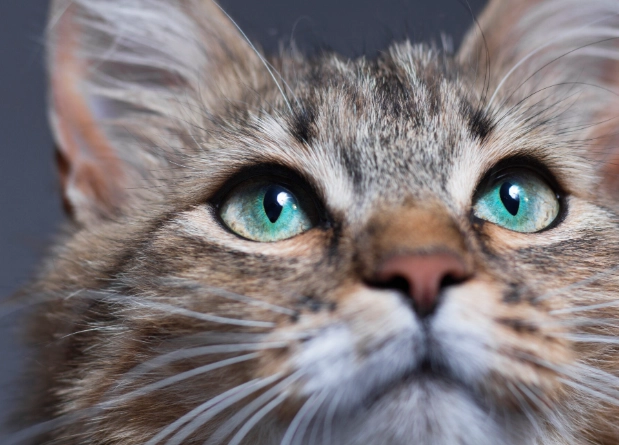
Your Top Questions, Answered
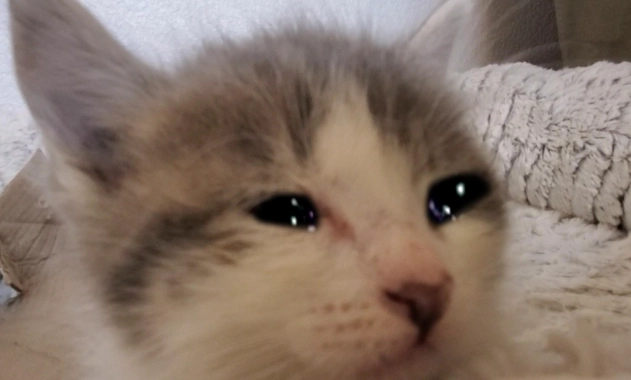
The bottom line is this: cats are masters of subtlety. Their "crying" is rarely about tears. It's about a physical eye condition needing care, or a behavioral change signaling an emotional or physical need. By looking beyond the tear and understanding the language of symptoms, you become the best possible advocate for your cat's health and happiness. See the water? Don't just think "sad." Think "schedule," as in, time to schedule a vet check. It's the most caring thing you can do.