Benadryl for Dogs: Safe Dosage Chart, Uses & Side Effects
You're watching your dog scratch themselves raw, or maybe they're restless during a thunderstorm, and you remember the Benadryl in your medicine cabinet. Can you use it? The short answer is often yes, but the dose is everything. Getting it wrong isn't just ineffective—it can be dangerous. As someone who's navigated canine allergies and vet emergencies for over a decade, I've seen the confusion firsthand. This guide cuts through the noise to give you the precise, vet-informed information you need to use Benadryl (diphenhydramine) safely for your dog.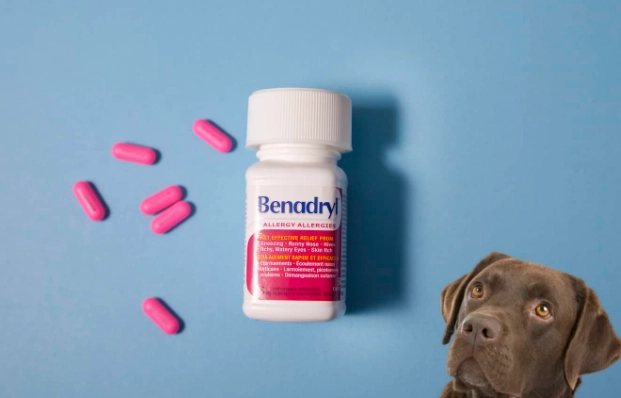
What's Inside This Guide
How Much Benadryl Can I Give My Dog?
Forget the "one pill per 25 pounds" rule of thumb you might have heard. It's a dangerous oversimplification. The standard veterinary dosage for diphenhydramine is 1 milligram per pound of body weight, given 2-3 times a day. But here's the critical part: you must calculate based on your dog's actual weight in pounds, and you must know the exact milligram strength of your Benadryl tablet.
Most over-the-counter Benadryl pills are 25 mg. That means a 25-pound dog gets one 25 mg pill. A 50-pound dog gets two. But what about a 15-pound dog? Giving a whole 25 mg pill is an overdose. You'd need to cut the pill or find a children's formulation. This is where people mess up.
Pro Tip: Always use plain Benadryl (diphenhydramine HCl). Avoid "Benadryl Allergy Plus Congestion," "Benadryl Severe Allergy," or any combination product. These contain added drugs like acetaminophen (Tylenol) or phenylephrine, which are highly toxic to dogs. The only active ingredient should be diphenhydramine hydrochloride.
Here’s a quick reference chart, assuming you're using standard 25 mg tablets:
| Dog's Weight | Benadryl Dose (25 mg tablets) | Frequency |
|---|---|---|
| 10 lbs | ½ tablet (12.5 mg) | Every 8-12 hours |
| 25 lbs | 1 tablet (25 mg) | Every 8-12 hours |
| 50 lbs | 2 tablets (50 mg) | Every 8-12 hours |
| 75 lbs | 3 tablets (75 mg) | Every 8-12 hours |
| 100 lbs | 4 tablets (100 mg) | Every 8-12 hours |
See the problem for small dogs? Measuring half or a quarter of a pill isn't always precise. For dogs under 10 pounds, or for more accurate dosing, consult your vet. They might recommend a liquid children's formulation (alcohol-free!) where you can measure exact milligrams with a syringe.
The One Time You Shouldn't Follow This Chart
This standard dosage is a general guideline for mild to moderate issues. If your dog is experiencing a severe acute allergic reaction—like facial swelling from a bee sting or difficulty breathing—this is a veterinary emergency. Don't waste time calculating a dose; go straight to the emergency vet. They may administer a stronger, injectable form of antihistamine or other lifesaving drugs.
When Do Vets Recommend Benadryl for Dogs?
Benadryl is an antihistamine. It blocks histamine, a chemical the body releases during allergic reactions. That's its primary job. Vets might suggest it for:
Mild Allergic Reactions: This is its best use. Think seasonal allergies (atopy) causing itchy skin, hives, or red eyes. It can also help with mild reactions to vaccines or insect bites. I've used it for my dog's springtime grass allergies. It takes the edge off, but it's rarely a complete solution for chronic environmental allergies.
Motion Sickness & Anxiety: Here's where expectations need management. Benadryl's sedative effect can help some dogs with car ride anxiety or mild storm phobias. But it's not a dedicated anxiolytic. In my experience, about half of dogs just get a little sleepy, while the other half seem unaffected or even paradoxically more restless. Don't count on it to knock your dog out for a cross-country flight. For predictable stressors like fireworks, talk to your vet about better options like trazodone or Sileo.
As Part of a Mast Cell Tumor Protocol: This is a specific veterinary use. Mast cell tumors release large amounts of histamine. Vets often prescribe Benadryl (sometimes at higher doses) before and after surgery to manage this systemic effect, according to resources like the Veterinary Cancer Society.
It's Not a Cure-All: Benadryl does nothing for pain, infections, or infla mmation not caused by histamine. Giving it for a limp or a cough is useless and delays proper treatment.
What Are the Side Effects of Benadryl in Dogs?
Most dogs tolerate Benadryl well at the correct dose, but side effects happen.
Common, Mild Effects: Drowsiness is the big one. Your dog might seem lazy or sleep more. Dry mouth is another—you might notice them drinking more water. Some dogs get temporary urinary retention or mild gastrointestinal upset like diarrhea.
Signs of an Adverse Reaction or Overdose: This is the scary stuff. If you see any of these, stop the medication and call your vet immediately:
- Hyperactivity or agitation (the paradoxical reaction)
- Rapid breathing or heart rate
- Dilated pupils
- Severe lethargy or difficulty walking
- Seizures (in cases of extreme overdose)
High-Risk Dogs: When Benadryl Is a Hard "No"
Benadryl is metabolized by the liver and can affect certain conditions. Never give Benadryl to dogs with:
- Glaucoma: It can increase intraocular pressure.
- Certain heart conditions like cardiomyopathy or high blood pressure.
- Severe liver disease.
- Bladder obstruction or prostate disease.
- Myasthenia gravis.
It also interacts with other drugs. Always tell your vet about all medications and supplements your dog is on, including herbal ones.
How to Give Your Dog a Benadryl Pill (The Right Way)
You've calculated the dose. Now you have to get it into your dog. The classic "hide it in food" method has pitfalls. A savvy dog will eat the cheese and spit out the pill, now suspiciously wet.
Here's a better method: use a pill pocket or a small glob of xylitol-free peanut butter or cream cheese. Embed the pill completely. Offer it, then immediately offer a second, empty treat. The goal is to get them to swallow the first treat whole in anticipation of the second.
If that fails, you may need to pill your dog manually. Gently hold their muzzle, tilt their head back, open their jaw, drop the pill as far back on the tongue as you can, close their mouth, and gently stroke their throat until you see them swallow. Follow with a treat and praise. It feels awkward at first, but it's often the most reliable method.
Your Top Benadryl Questions Answered
Benadryl can be a helpful tool in your dog-care kit for the right situations. But it's not a harmless treat. The golden rules: calculate by weight, use only plain diphenhydramine, know the risks, and when in doubt, call your vet. They can provide a dosage tailored to your dog's specific health profile—the safest approach of all.