Can Dogs Eat Bell Peppers? A Complete Safety & Feeding Guide
Guide Highlights
- Why Bell Peppers Are Actually Good for Dogs (The Science Bit, Made Simple)
- How to Feed Bell Peppers to Your Dog: The Safe, Sensible Method
- How Much Bell Pepper Can I Give My Dog? Portion Control is Key.
- Potential Risks and When to Avoid Bell Peppers
- Your Bell Pepper for Dogs FAQ – Answered Honestly
- Final Thoughts: Making the Decision for Your Dog
You're chopping up a crisp, colorful bell pepper for your salad, and those big, pleading eyes are locked onto your hands. That familiar question pops into your head: can dogs eat bell peppers? Is it a harmless treat or a trip to the vet waiting to happen? I've been there with my own lab mix, Charlie, who thinks every vegetable sound is the prelude to a snack. Let's cut through the noise and get a straight answer.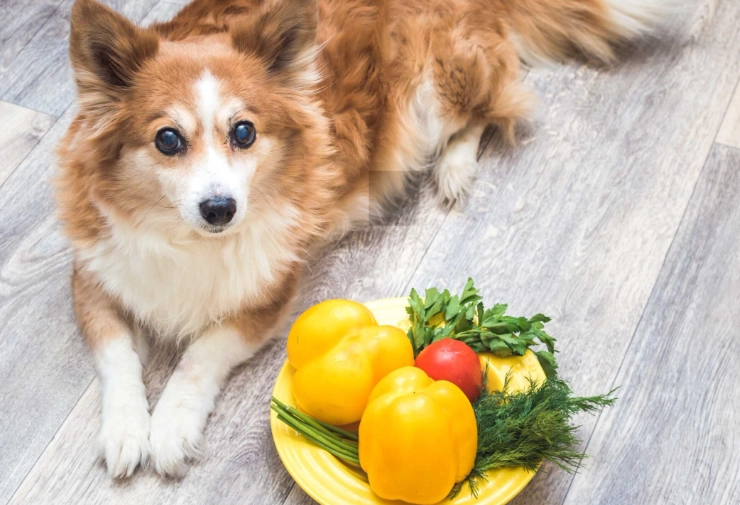
The short, sweet, and absolutely definitive answer is yes, dogs can eat bell peppers. In fact, they're not just safe; they can be a pretty fantastic, low-calorie addition to your dog's diet when done right. But—and there's always a but—it's not as simple as just tossing them a chunk. There's a right way and a wrong way, and knowing the difference is what separates a healthy snack from a potential problem.
Bottom Line Up Front: Plain, properly prepared bell pepper flesh (the main colorful part) is non-toxic and safe for most dogs. They're packed with good stuff like vitamins A, C, and E. The core, stem, and seeds aren't toxic either, but they're tough to digest and a choking hazard, so you should remove them. Always start with a tiny amount to see how your dog's stomach handles it.
I remember the first time I gave Charlie a small piece of red bell pepper. He sniffed it like it was a suspicious object, gave me a look that said "Really?", then gingerly took it. A slow crunch, a thoughtful pause, and then he was nudging my hand for more. Not all dogs will be converts—some might turn their nose up completely—but for those that like them, they're a winner.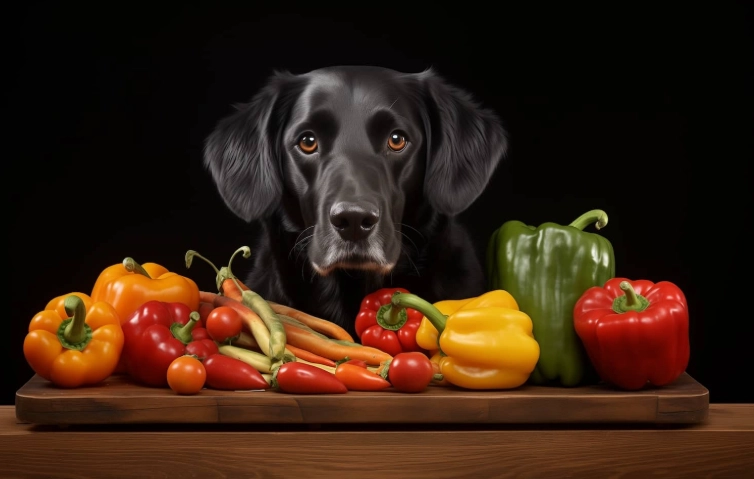
Why Bell Peppers Are Actually Good for Dogs (The Science Bit, Made Simple)
So, we've established that dogs can eat bell peppers safely. But why would you want to feed them? It's not just about filling their belly with something different. Bell peppers bring some genuine nutritional benefits to the doggy dinner table.
Think of them as a multivitamin in vegetable form. The most standout nutrient is Vitamin C. Now, dogs produce their own vitamin C, unlike humans, so they don't require it from their diet. But that doesn't mean an extra boost is useless. For older dogs, stressed dogs, or those with certain health conditions, that additional antioxidant can help support their immune system and fight inflammation. It's like a little extra armor.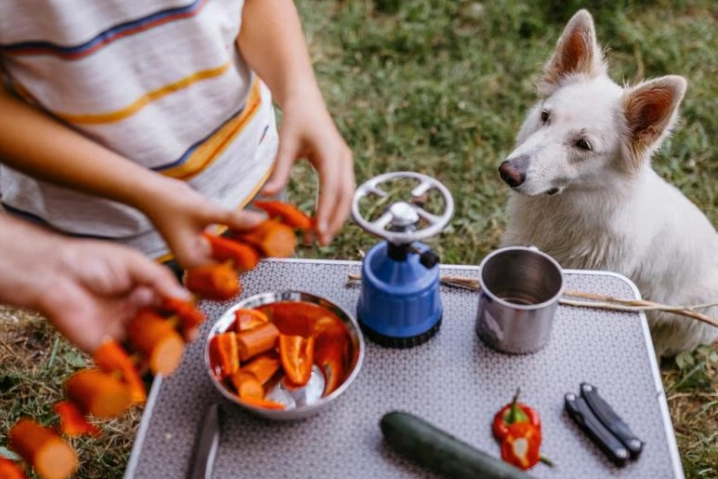
Then there's Vitamin A, crucial for good vision, a healthy immune system, and proper cell function. Beta-carotene, which gives red and orange peppers their vibrant color, converts to Vitamin A in the body. Vitamin E is another antioxidant powerhouse found in bell peppers, promoting healthy skin and a shiny coat. Let's not forget the fiber, which aids in digestion and can help keep things... regular. And they're about 90% water, making them a hydrating snack, especially on a warm day.
Bell Pepper Color Showdown: Which Pack the Biggest Punch?
Here's something fun: not all bell peppers are created equal nutritionally. The color isn't just for show; it's a direct indicator of ripeness and nutrient content. Green peppers are harvested earlier, while red, yellow, and orange peppers are left to ripen longer on the vine. That extra sun time changes their nutritional profile significantly.
I've put together a quick comparison because seeing it laid out helps make sense of it all.
| Pepper Color | Key Nutritional Highlights | Taste & Texture Notes for Dogs |
|---|---|---|
| Red Bell Pepper | Highest in Vitamin A & C, Lycopene (antioxidant), sweetest flavor. | Often the favorite due to sweetness. Softest when ripe. |
| Yellow/Orange Bell Pepper | Very high in Vitamin C, good Vitamin A, Lutein (for eye health). | Sweet, slightly less intense than red. Crisp texture. |
| Green Bell Pepper | Good fiber, Vitamin C, but lower in sugars & other vitamins. | Slightly bitter, grassier taste. Some dogs dislike it. Firmest texture. |
The takeaway? While all colors are safe, red bell peppers are the nutritional champions. But honestly, if your dog will only eat the green ones, that's still a win. The differences matter more to us humans overthinking it than to our canine companions getting a veggie treat.
Can dogs eat bell peppers of any color? Yes. Are some better? Nutritionally, yes. But the best pepper is the one your dog will actually eat.
How to Feed Bell Peppers to Your Dog: The Safe, Sensible Method
This is the most important part. Knowing can dogs eat bell peppers is step one. Knowing how to feed them is what keeps everything safe and enjoyable. Throwing a whole pepper into the bowl is a recipe for trouble.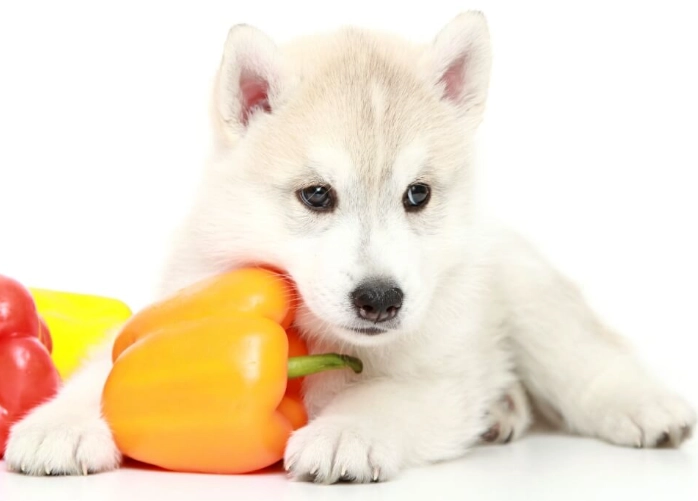
CRITICAL FIRST STEP: Always wash the pepper thoroughly under running water. You want to remove any pesticide residues or dirt from the surface. Organic is great, but washing is non-negotiable either way.
Here's my step-by-step process, refined after a few messy experiments with Charlie:
- Wash it. I said it above, but it's worth repeating.
- Cut it open. Slice the pepper in half lengthwise.
- Remove the core, stem, and seeds. This is the golden rule. These parts are fibrous, tough, and present a real choking risk, especially for smaller dogs. They can also cause mild stomach irritation or an intestinal blockage if swallowed in large pieces. Just scoop it all out with your knife or fingers and toss it in the compost.
- Slice the flesh into bite-sized pieces. Think small cubes or thin strips. The size should be appropriate for your dog—tiny pieces for a Chihuahua, bigger (but still manageable) chunks for a Great Dane. The goal is to prevent choking and make it easy to digest.
Raw vs. Cooked: Which is Best for My Dog?
Another common question. Both are safe, but they have different pros and cons.
Raw bell peppers retain all their vitamins and enzymes in their natural state. They're also super crunchy, which some dogs love for the texture. The downside? They can be harder to digest for some dogs, potentially leading to gas or an upset stomach. If your dog has a sensitive gut, raw might not be the best starting point.
Cooked bell peppers (steamed, roasted, or boiled without any additives) are softer and much easier on the digestive system. The cooking process breaks down the cell walls, making the nutrients more bioavailable in some cases (like beta-carotene). However, high heat can destroy some of the heat-sensitive vitamin C.
My personal recommendation? Start with cooked, especially for first-timers or dogs with known sensitive stomachs. Steaming is my go-to method—it softens the pepper without needing oil, butter, salt, or any other seasoning, which are all big no-nos for dogs. If your dog handles cooked peppers well, you can try a small piece of raw later to see if they like the crunch.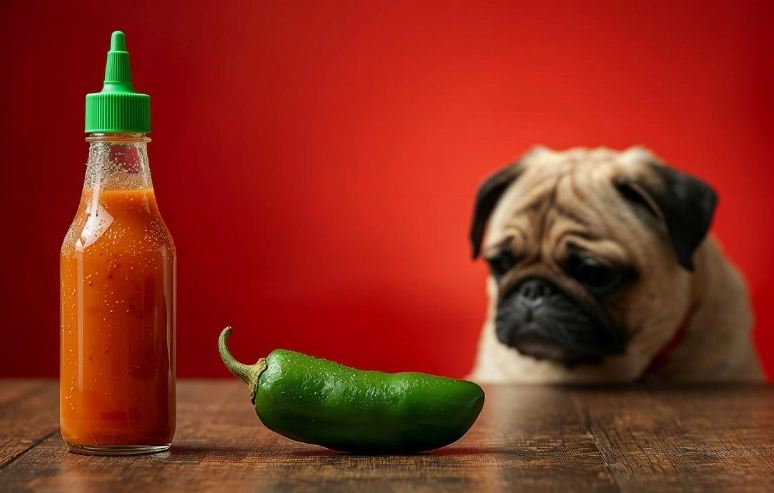
What you should NEVER do is feed your dog peppers cooked with onions, garlic, excessive oils, salt, or spices. These common cooking ingredients are harmful to dogs. Plain is the name of the game.
How Much Bell Pepper Can I Give My Dog? Portion Control is Key.
Just because dogs can eat bell peppers doesn't mean they should make up half their diet. Treats and snacks, even healthy ones, should only ever constitute about 10% of your dog's daily caloric intake. The other 90% should come from their complete and balanced commercial or vet-approved homemade diet.
Bell peppers are a treat, not a meal replacement. Overdoing it can lead to an upset stomach, diarrhea, or simply fill them up so they don't eat their proper food.
Here's a rough, sensible guide based on dog size:
- Small dogs (under 20 lbs): Start with 1-2 small cubes (about a teaspoon's worth) as an occasional treat.
- Medium dogs (20-50 lbs): A few cubes or a couple of thin strips (about a tablespoon) is plenty.
- Large/Giant dogs (50+ lbs): You can offer a handful of pieces, but keep it to a few tablespoons maximum at a time.
I made the mistake of giving Charlie too much green pepper once when he was younger. Let's just say the results were... audible and aromatic for the next few hours. A classic case of too much of a good thing. Lesson learned—start small!
The key is to introduce any new food, including bell peppers, slowly. Give a tiny piece one day and wait 24 hours to see if there's any adverse reaction—vomiting, diarrhea, excessive gas, or signs of abdominal discomfort. If all is clear, you can gradually offer a bit more next time.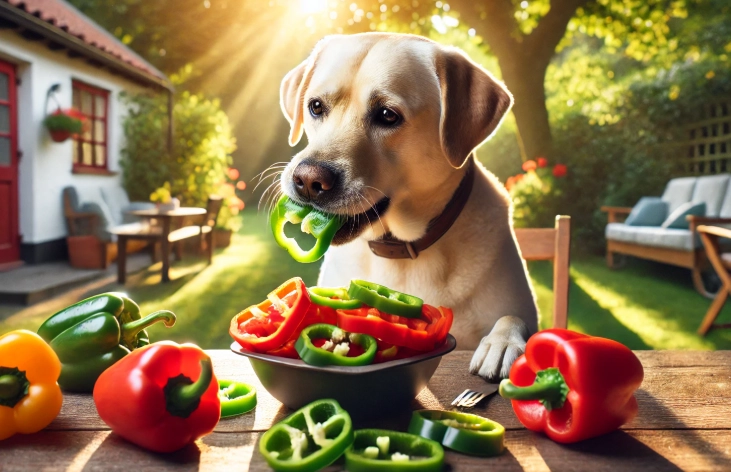
Potential Risks and When to Avoid Bell Peppers
For most healthy dogs, bell peppers are a low-risk treat. But there are always exceptions and things to watch out for. Being aware of these separates a responsible pet owner from a careless one.
Choking Hazard: This is the biggest immediate risk, especially from the hard stem, the woody core, or whole seeds. Always prepare the pepper as outlined above. Never give a dog a whole, uncut pepper to play with or chew on.
Digestive Upset: Some dogs simply have more sensitive digestive systems. Introducing too much fiber too quickly, or giving raw pepper to a dog not used to it, can cause gas, bloating, or loose stools. This is why the "start small" rule is so important.
Allergies: While rare, it's possible for a dog to be allergic to bell peppers. Signs of a food allergy can include itching, skin rashes, ear infections, or gastrointestinal issues. If you notice any of these after introducing bell peppers, stop feeding them and consult your vet.
Underlying Health Conditions: If your dog has a chronic condition like pancreatitis, inflammatory bowel disease (IBD), or frequent gastroenteritis, you must consult your veterinarian before introducing any new food, including seemingly harmless vegetables. What's fine for a healthy dog might not be fine for them.
IMPORTANT DISTINCTION: Bell peppers (Capsicum annuum) are from a different plant family than hot peppers (like jalapeños, habaneros, cayenne). Bell peppers contain little to no capsaicin, the compound that makes peppers "hot." Capsaicin can cause significant stomach irritation, burning, and distress in dogs. So while the answer to "can dogs eat bell peppers" is yes, the answer to "can dogs eat jalapeños?" is a firm no. For more detailed information on capsaicin's effects on animals, the American Veterinary Medical Association (AVMA) provides authoritative guidance.
Your Bell Pepper for Dogs FAQ – Answered Honestly
Final Thoughts: Making the Decision for Your Dog
So, after all this, where do we land? Can dogs eat bell peppers? Unequivocally, yes. They are a safe, nutrient-rich, low-calorie snack for most dogs when prepared properly and fed in moderation.
Will every dog like them? Absolutely not. Dogs are individuals. Charlie loves red and yellow ones but spits out green ones with an offended look. Your dog might gobble them up or treat them like a piece of furniture. That's okay. The goal is to provide safe, healthy options.
The process is simple: Wash. Deseed and destem. Cut small. Cook for sensitive stomachs. Start with a tiny amount. Observe.
Remember This: Bell peppers are a treat, a supplement. They are not a dietary staple. The core of your dog's health will always be a high-quality, complete dog food recommended by your veterinarian. Use bell peppers as the occasional crunchy, colorful bonus—a way to add variety and extra vitamins to their life.
When in doubt, especially if your dog has health issues, the best course of action is always to have a quick chat with your vet. They know your dog's specific history and can give the most personalized advice. But for the average healthy pup, a piece of bell pepper now and then is just fine. Happy, healthy snacking to your four-legged friend!