How to Get Rid of Fleas in House Fast: A Complete Homeowner's Guide
Your Battle Map
- First Things First: Are You Sure It's Fleas?
- The Battle Plan: A Phased Approach to Kill Fleas in Home
- Breaking Down Your Treatment Options: A Quick Comparison
- Prevention: How to Keep Fleas From Ever Coming Back
- Common Questions (And Straight Answers) About Fleas in the House
- Final Thoughts: You Can Do This
Let's be honest, finding fleas in your house feels like a personal invasion. One minute you're scratching an itch, the next you're seeing tiny black specks hopping off your couch. I've been there. A few years back, after adopting a rescue cat (bless her heart), I found myself in a full-blown flea war. It was frustrating, expensive, and frankly, a bit embarrassing. But you know what? I learned a ton. And now, I want to save you the headache.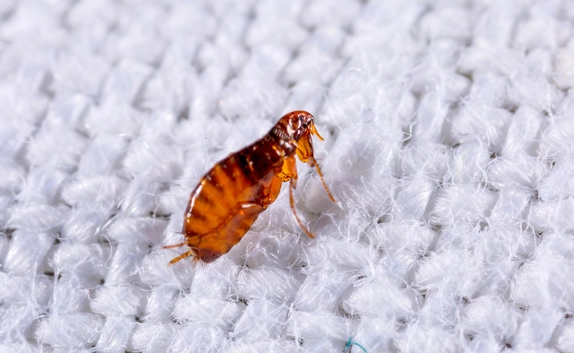
This isn't just another generic list. This is a battle-tested, step-by-step manual on how to get rid of fleas in house for good. We're going to cover everything—from confirming you actually have fleas (because not every itch is a flea) to the nuclear options and, crucially, how to stop them from coming back. It's a process, but it's a winnable one.
A quick reality check: There's no single magic bullet. Anyone who tells you that one spray will solve everything is selling something. A successful flea infestation treatment is a multi-pronged attack on the adult fleas, their eggs, larvae, and pupae, all happening at the same time. Miss one stage, and you're back to square one in a few weeks. We'll make sure that doesn't happen.
First Things First: Are You Sure It's Fleas?
Before you empty the cleaning aisle at the store, let's be sure. Misdiagnosis wastes time and money. Fleas are tiny (about 1-2 mm), reddish-brown, and laterally flattened (think skinny from side to side). They jump. Incredibly well. You rarely see them chilling in the open; they're hiders.
The classic sign isn't the bug itself, but its dirt. Flea dirt is basically digested blood feces. Gross, I know. But it's your best clue. Grab a fine-toothed pet comb (a flea comb) and run it through your pet's fur, especially around the neck and tail base. Brush the debris onto a damp white paper towel. If the specks dissolve and leave reddish-brown streaks (blood), congratulations, you've got fleas. That's your confirmation.
Other signs? Pets scratching excessively, tiny red bites on your ankles (often in clusters or lines), and seeing those little dark specks on pet bedding, carpets, or your own sheets.
The Battle Plan: A Phased Approach to Kill Fleas in Home
You can't just spray and pray. You need a strategy. Think of it in four phases: Assess & Prepare, Attack on All Fronts, The Deep Clean, and Fortify & Prevent. Skipping a phase is how fleas win.
Phase 1: Assess, Gather, and Protect
Don't run to the store yet. Take a breath and plan.
1. Identify the Hot Zones. Fleas love warmth, darkness, and fibers. Ground zero is usually where your pets sleep and lounge. Their bed, your bed if they sleep there, the favorite corner of the couch, plush carpets, and any cushioned furniture. Map these out in your mind.
2. Gather Your Arsenal. Here's your shopping list. You'll need items for different jobs:
- For Your Pet: A quality vet-recommended flea treatment (oral or topical). This is non-negotiable. It makes your pet a walking flea killer. Also, a good flea comb.
- For the House: An insect growth regulator (IGR). This is the secret weapon. It doesn't kill adults but sterilizes eggs and stops larvae from developing. Look for ingredients like (S)-Methoprene or Pyriproxyfen. You'll also need an adulticide spray or fogger (with an IGR already in it is ideal).
- For Cleaning: A vacuum cleaner with strong suction and bags you can seal, borax or diatomaceous earth (food grade), and your regular laundry and cleaning supplies.
3. Protect Your Family. Read labels! If using foggers, you, your family, and pets must leave for the time specified. Cover fish tanks, disconnect smoke alarms if the fogger instructions say to (some aerosols can trigger them), and remove or seal food and dishes.
This prep work feels tedious, but it sets you up for success. A haphazard attack just spreads the problem.
Phase 2: The Simultaneous Attack - Pet, Home, and Yard
This is D-Day. Everything happens on the same day, or at least within a 24-hour window.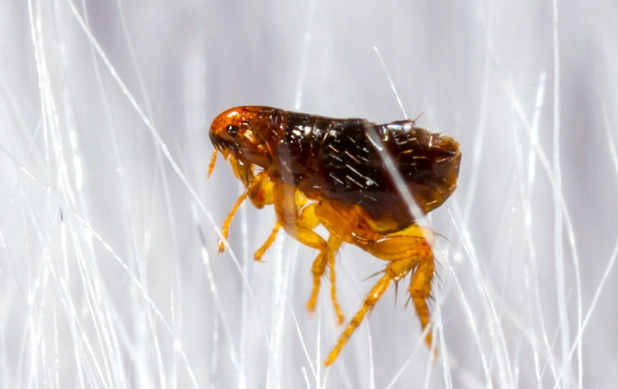
The Golden Rule: Treat your pet and your home on the same day. If you treat the house but not the pet, your pet just brings in new fleas from outside. If you treat the pet but not the house, it jumps back into a nest of waiting fleas. Synchronicity is key.
Step 1: Treat Your Pet. This is the cornerstone. Consult your veterinarian. They know what works best in your area, as flea resistance varies. Topical "spot-on" treatments or oral pills are highly effective. I'm not a fan of cheap supermarket collars or shampoos alone—they often just stun fleas temporarily. The vet-recommended stuff actually breaks the life cycle. Comb your pet thoroughly with a flea comb dipped in soapy water to drown any live fleas you catch. This gives immediate relief.
Step 2: Launch the Indoor Assault. Now, for your home. Wash all pet bedding, your bedding, removable couch covers, and any washable fabrics in hot water and dry on the highest heat setting. Heat is a great killer.
Then, vacuum. But not just a quick pass. Vacuum slowly and meticulously. Focus on carpets, rugs, under furniture, along baseboards, and couch cushions (remove them, get deep into the crevices). The vacuum does two things: it sucks up adults, eggs, and larvae, and the brushing action stimulates flea pupae to hatch, letting you suck them up too. This is the most underrated step in how to get rid of fleas in house. When you're done, immediately seal the vacuum bag in a plastic bag and throw it in an outdoor trash can. Or, if you have a bagless model, empty the canister into a sealed bag outside and wash the canister with soapy water.
Now, apply your insecticide. If using a spray with an IGR, follow the label to the letter. Spray carpets, furniture, pet areas, and floors. Don't forget closets, under beds, and the space under the couch. The IGR is critical—it provides residual protection for weeks, breaking the cycle. Foggers can be effective for large, open areas but often don't penetrate under furniture or deep into carpets as well as sprays. I prefer sprays for their targeted control.
Step 3: Don't Forget the Great Outdoors. If your pets go outside, treat your yard, especially shady, moist areas where they rest, under decks, and near doorways. Use a yard spray designed for fleas and ticks, again following label instructions. The Environmental Protection Agency (EPA) has great resources on selecting and using outdoor pesticides safely. Keeping grass short and removing debris reduces flea habitat.
Phase 3: The Crucial Follow-Up and Deep Clean
Day one is over. You might still see a flea or two. Don't panic. The pupal stage (the cocoon) is nearly impervious to insecticides. They can hatch over the next few weeks. Your job is to get them as they emerge, before they lay more eggs.
This is where the vacuum becomes your best friend again. Vacuum every other day for at least two to three weeks. Seriously. It's the single most effective physical method to remove newly hatched fleas and leftover eggs. Every time you vacuum, you're interrupting their life cycle.
For carpets, you can use a desiccant like food-grade diatomaceous earth (DE) or borax. These are fine powders that scratch the waxy coating on insects, causing them to dehydrate and die. They work mechanically, so fleas can't become resistant. Lightly sprinkle DE into carpets (wear a mask so you don't inhale the dust), work it in with a brush, and leave it for 12-48 hours before vacuuming thoroughly. It's safe for humans and pets once the dust settles, but avoid large piles they might inhale.
Continue washing bedding and pet items weekly in hot water during this period.
Breaking Down Your Treatment Options: A Quick Comparison
It's easy to get overwhelmed by product choices. This table should help clarify what each option does and where it fits in your plan.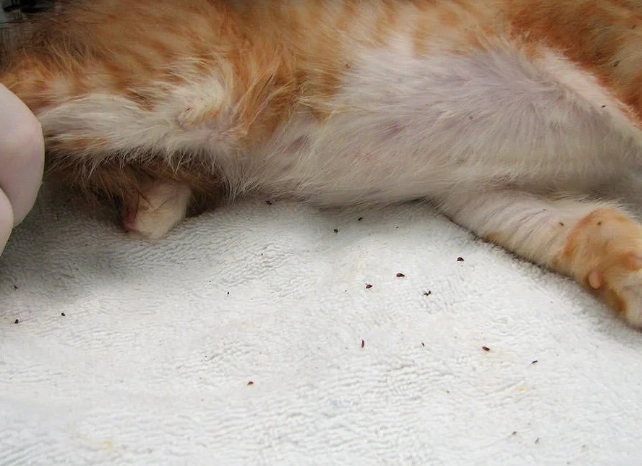
| Treatment Type | What It Does | Best For | Key Consideration |
|---|---|---|---|
| Vet-Prescribed Flea Medication (Oral/Topical) | Kills adult fleas on pet, often has IGR to sterilize eggs. | Your pet - the primary host. The first line of defense. | Essential. Resistance to older OTC products is common. Vet knows best. |
| Insect Growth Regulator (IGR) Spray | Doesn't kill adults. Stops eggs/larvae from maturing, breaking the cycle. | Treating carpets, furniture, pet areas. Long-term prevention. | The secret to lasting control. Often combined with an adulticide. |
| Adulticide Spray/Fogger | Kills adult fleas on contact. | Initial knockdown of an active infestation. | Does nothing to eggs/larvae. Must be paired with an IGR. |
| Diatomaceous Earth (Food Grade) | Physically damages fleas, causing dehydration. | Low-toxicity option for carpets, cracks, and crevices. | Slow-acting. Messy. Avoid inhalation. Less effective in humidity. |
| Flea Traps (Light/Heat) | Attracts and traps adult fleas. | Monitoring infestation level, catching stragglers. | Not a control method. Helps you see if your plan is working. |
Prevention: How to Keep Fleas From Ever Coming Back
Winning the battle is one thing. Winning the war is another. Once you've learned how to get rid of fleas in house, the goal is to never have to do it again.
Prevention is infinitely easier than eradication. A consistent, simple routine is all it takes.
First, keep your pet on a year-round flea preventive. Your vet can recommend one. Don't stop in the winter. In many climates, fleas survive indoors year-round. This is your primary shield.
Second, maintain a cleaning routine. Regular vacuuming of high-traffic areas and pet zones, even once a week, picks up any hitchhikers before they establish a population. Wash pet bedding regularly.
Third, groom your pets. A weekly comb-through with a flea comb can catch problems early. It's also a nice bonding time.
Finally, be vigilant after your pet has been in high-risk areas (dog parks, kennels, woods). Do a quick check. An ounce of prevention, as they say.
Common Questions (And Straight Answers) About Fleas in the House
Patience is crucial. Due to the flea life cycle, especially the resilient pupal stage, it can take 2 to 3 months of consistent effort to be 100% sure they're gone. You should see a massive reduction within days of the initial treatment, but follow-up for several weeks is non-negotiable to catch late-hatching pupae.
Unfortunately, yes. They can be brought in on clothing, or by previous pets or rodents. They can also lie dormant in pupal stage for months waiting for a host. If you move into a new place and get bitten, it's possible the previous tenants had pets. The treatment process is largely the same, minus the pet treatment step.
I've tried the salt and baking soda mix. The theory is that it acts like a desiccant (like DE). In my experience, it's very mild and inconsistent. It might help dry out some larvae in a very minor problem, but for a real infestation, it's like bringing a spoon to a knife fight. Rely on proven methods: IGRs, thorough cleaning, and vet-grade pet meds. The Centers for Disease Control and Prevention (CDC) recommends integrated pest management, not home remedies, for control.
Most infestations can be handled DIY with the rigorous plan outlined here. However, call a pro if: the infestation is severe and widespread, you have recurring infestations you can't beat, you have health concerns that prevent you from applying insecticides, or you live in a multi-unit building where fleas could be migrating from other units. Professionals have stronger tools and experience.
Beyond the itchy bites, fleas can transmit tapeworms (if ingested by pets) and, in rare cases, diseases like murine typhus. The primary risk for most people is a secondary skin infection from scratching the bites. The psychological stress of an infestation is also real! For comprehensive info on flea-borne diseases, the American Veterinary Medical Association (AVMA) is an authoritative source.
Final Thoughts: You Can Do This
Learning how to get rid of fleas in house is a rite of passage for many pet owners. It feels overwhelming at the start, but it's a systematic process. The key takeaways? Treat pet and home simultaneously, use an Insect Growth Regulator, vacuum like it's your job for several weeks, and then prevent with consistent pet medication and cleaning.
It took me about six weeks of diligent work to finally declare my home flea-free after that initial scare. Was it a pain? Absolutely. But the peace of mind, and the relief for my poor itchy cat, was worth every minute. Your home is your sanctuary. Don't let a few pesky jumpers take that from you. Arm yourself with the right knowledge, be thorough, and be patient. You've got this.
Remember, if you're ever unsure, your veterinarian and professional pest control operators are your best allies. Don't hesitate to seek their advice for your specific situation.