Can Dogs Have Pears? A Complete Safety & Feeding Guide
Your Quick Guide
Let’s cut right to the chase. If you’re here with a pear in one hand and your dog giving you the classic "puppy eyes" stare, the quick answer is: yes, dogs can have pears. But—and this is a big but—there are some very important rules and potential dangers you absolutely must know before you toss a slice their way. It’s not as simple as yes or no. The real question isn't just "can dogs have pears," but "how, when, and how much?"
I remember the first time my own dog, a curious Labrador named Buddy, nudged a pear that rolled off the kitchen counter. The panic that set in before I quickly googled it was real. Since then, I’ve done a deep dive, talked to vets, and sifted through resources from places like the ASPCA Animal Poison Control Center to get the full picture. What I found is that pears can be a fantastic, low-calorie treat, but only if you handle them with care. Ignoring the details can turn a healthy snack into a vet visit.
Why You Might Consider Letting Your Dog Have Pears
So, why bother? If it comes with risks, why not just stick to dog treats? Well, pears pack a surprising nutritional punch that can complement your dog’s diet. They’re not just empty calories. Think of them as a sometimes-food that brings extra benefits to the table.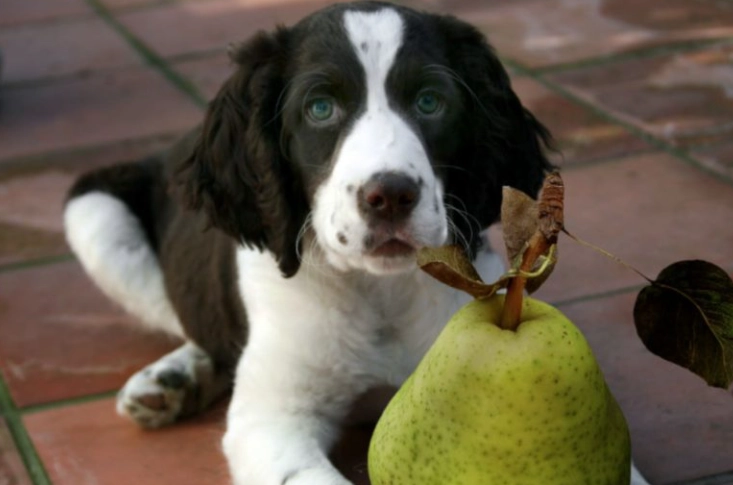
Pears are loaded with good stuff. We’re talking about dietary fiber, which is great for keeping things moving smoothly in the digestive tract. If your dog occasionally has constipation issues, a little bit of pear can sometimes help more than you’d think. They’re also a source of vitamins C and K, and provide a decent hit of copper and potassium. These contribute to a healthy immune system, good blood clotting, and proper nerve and muscle function.
Another big plus? They’re low in fat and cholesterol, and have a high water content. This makes them a hydrating, refreshing snack, especially on a hot day. For dogs on a weight management plan, a small piece of pear can be a much more satisfying and voluminous treat than a high-calorie biscuit. It’s a crunchy, sweet alternative that feels like a real treat to them without derailing their diet.
Nutritional Breakdown: What's in a Pear for Your Dog?
| Nutrient | Benefit for Dogs | Note |
|---|---|---|
| Dietary Fiber | Promotes healthy digestion and can aid with constipation. | Too much can cause diarrhea. Moderation is key. |
| Vitamin C | Acts as an antioxidant, supporting the immune system. | Dogs produce their own vitamin C, but extra can help. |
| Vitamin K | Essential for proper blood clotting. | Rarely deficient in dogs, but contributes to overall health. |
| Copper | Supports bone, nerve, and immune health. | A trace mineral needed in small amounts. |
| Potassium | Vital for heart, muscle, and nerve function. | Important for electrolyte balance. |
| High Water Content | Helps with hydration. | Makes the treat low in calorie density. |
But here’s where I need to be honest. While the nutritional profile looks good on paper, it’s easy to overstate the benefits. Your dog’s primary nutrition should always come from a complete and balanced commercial dog food approved by the Association of American Feed Control Officials (AAFCO). Pears are a supplement, a treat, not a staple. Don’t think of them as a vitamin pill. Think of them as a healthy bonus.
The Not-So-Sweet Side: Real Risks and Dangers
This is the part you cannot skip. The dangers associated with feeding pears to dogs aren’t minor. They can lead to serious health emergencies. Every time you ask "can dogs have pears," you must pair it with "and what parts are dangerous?"
Beyond the cyanide risk, there are other concerns. The core is a serious choking hazard and can cause intestinal blockage, which is a surgical emergency. I’ve heard stories from vet tech friends about dogs needing expensive surgery after swallowing fruit cores. It’s a preventable nightmare.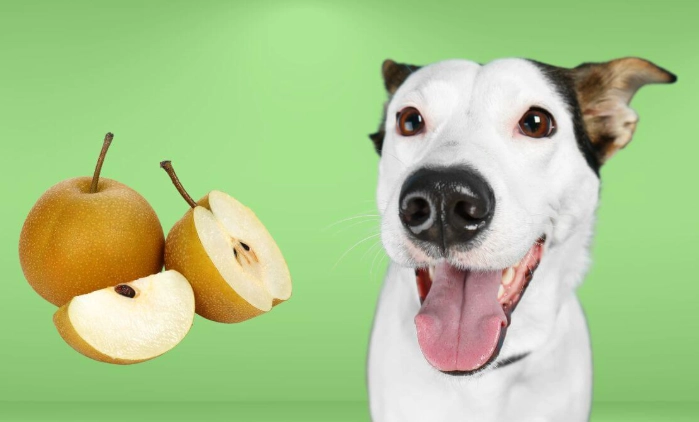
Then there’s the sugar. Pears contain natural sugars (fructose). While fine in tiny amounts, too much can upset your dog’s stomach, leading to gas, diarrhea, or vomiting. For diabetic dogs, even natural fruit sugars need to be strictly managed under a vet’s guidance. This is why the answer to "can dogs have pears" is never a blanket yes—it depends on the individual dog’s health.
Allergies, though rare, are also possible. Any new food introduces the risk of an allergic reaction. Signs can include itching, skin hives, swelling around the face, or gastrointestinal upset. Always start with a tiny piece and monitor your dog for 24 hours.
And let’s talk about canned pears for a second. Just don’t. They’re often swimming in heavy syrup, which is loaded with processed sugar and calories. Some may even contain artificial sweeteners like xylitol, which is extremely toxic to dogs and can cause rapid insulin release leading to hypoglycemia (low blood sugar), seizures, and liver failure. Always, always check labels, but better yet, stick to fresh fruit.
Your Step-by-Step Guide to Safely Feeding Pears
Okay, so you’ve weighed the pros and cons and want to give it a try. Here’s exactly how to do it safely. This isn’t just a suggestion; following these steps is what separates a safe treat from a dangerous one.
Step 1: Choosing and Preparing the Pear
Pick a ripe but firm fresh pear. Organic is ideal to minimize pesticide exposure, but if not, wash it thoroughly under running water. Peel it. I know some sources say the skin is okay, and it does have extra fiber, but peeling it removes any residual pesticides and makes it easier to digest, reducing the risk of an upset stomach. For older dogs or those with sensitive stomachs, peeling is non-negotiable in my book.
Next, cut it in half and use a spoon or melon baller to meticulously remove the entire core, all the seeds, and the stem. You want only the pure, clean flesh. Then, chop that flesh into small, bite-sized pieces appropriate for your dog’s size. For a Chihuahua, that’s a cube the size of a pea. For a Great Dane, it can be a bit bigger.
Step 2: The First Feeding & Portion Control
Start with just one small piece. Let your dog try it and watch closely for the next day for any signs of digestive upset or allergic reaction. If all is clear, you can incorporate it as an occasional treat.
Portion size is everything. The general rule for all treats (including fruits and veggies) is that they should not make up more than 10% of your dog’s daily caloric intake. For pears, a safer, simpler guideline is based on weight.
Recommended Pear Serving Size by Dog Weight
| Dog Size | Weight Range | Max Pear per Day (Fresh, Prepared) | What That Looks Like |
|---|---|---|---|
| Small (Toy, Small Breeds) | Under 20 lbs | 1-2 small cubes | About 1-2 teaspoons |
| Medium (Medium Breeds) | 20 - 50 lbs | 2-4 small cubes | About 1-2 tablespoons |
| Large (Large Breeds) | 50 - 90 lbs | 4-6 small cubes | About 2-3 tablespoons |
| Giant (Giant Breeds) | 90+ lbs | 5-8 small cubes | About ¼ of a small pear |
Note: This is an occasional treat, not a daily requirement. Frequency matters more than single serving size. Once or twice a week is plenty.
I’ll admit, this can feel fussy. Why go through all this trouble for a piece of fruit? Because consistency is what keeps dogs safe. An extra piece here and there adds up, especially in small dogs.
What About Different Types of Pears?
You might wonder if all pears are created equal when it comes to dogs. The basic rules apply across the board, but there are slight differences.
Asian Pears: These are the round, crisp, apple-like pears. They’re perfectly safe if prepared the same way—peeled, cored, seeded, and cut. They can be a bit juicier and crunchier, which some dogs love.
Bartlett, Anjou, Bosc Pears: The common supermarket varieties. All safe following the core preparation rules. Softer, riper pears might be easier for senior dogs with dental issues to eat, but they can also be messier.
Wild Pears: Avoid. It’s impossible to know what they’ve been exposed to (pesticides, pollutants, molds) and their seed content might vary. Stick to store-bought where you can control the source.
Dried Pears or Pear Chips: Not recommended. The dehydration process concentrates the sugars, making them a high-sugar, sticky snack that can cling to teeth and contribute to dental issues and weight gain. They may also contain added sulfites or sugars.
Answering Your Burning Questions (FAQs)
Let’s tackle some specific questions that pop up all the time. These are the things people really search for after the initial "can dogs have pears" query.
Can dogs eat pear skin?
Technically, yes, it’s not toxic. But I recommend peeling it. The skin is harder to digest and is where pesticide residue is most concentrated. For a dog with a sensitive stomach, the skin is often the culprit behind gas or mild diarrhea. Why risk it? Peel it for peace of mind.
My dog ate a pear core! What do I do?
Don’t panic, but act quickly. First, try to estimate how much they ate and if they chewed any seeds. If it was a large core, a whole pear, or many seeds, call your veterinarian or the ASPCA Animal Poison Control Hotline (888-426-4435) immediately. Do not wait for symptoms. For a tiny nibble of a core from a large dog, monitor closely for the next 24-48 hours for signs of choking, gagging, vomiting, lethargy, loss of appetite, or difficulty passing stool. Any of these symptoms warrant an immediate vet visit. Blockages and cyanide poisoning are time-sensitive.
Are canned pears ever okay for dogs?
I’m going to be firm here: No. The syrup is terrible for them. Even "in juice" varieties have concentrated sugars. The risk of added sweeteners or preservatives is too high. There is zero nutritional advantage over a fresh pear, only added risks. Stick to fresh.
Can puppies have pears?
Extreme caution. Puppies have developing digestive systems that are much more sensitive. It’s best to avoid giving any human food, including pears, until they are at least several months old and fully on their stable puppy food diet. If you do decide to introduce a microscopic taste later on, do so with even more caution and only after consulting your vet. Their primary focus needs to be on nutrient-rich puppy food.
How often can dogs have pears?
Treat pears as a rare treat, not a dietary regular. Once or twice a week is more than enough. Rotating different safe fruits and veggies (like blueberries, apple slices, or carrots) is a better strategy than giving pears every day. This provides variety and prevents any potential nutrient imbalances or sensitivities from developing.
A Personal Story: My dog Buddy once managed to snag a whole pear slice I dropped, skin and all. He was fine, but he did have looser stools the next day. It was a reminder that even when you think you’re being careful, their systems are more sensitive than we assume. Now, I’m militant about the peeling and coring process. It’s a few extra minutes that guarantees his safety.
Final Thoughts: Making the Decision for Your Dog
So, can dogs have pears? The final, nuanced answer is: Yes, they can, but it’s a treat that demands respect and careful preparation. It’s not a right, it’s a privilege you grant with knowledge.
Before you decide, consider your individual dog. Do they have a history of pancreatitis, diabetes, or a sensitive stomach? If yes, skip the pear and find a safer alternative. When in doubt, the best person to ask is your veterinarian. They know your dog’s health history best.
The goal is to enhance your dog’s life with a little variety, not to introduce risk. By following the strict prep rules—fresh, peeled, cored, seeded, and cut small—and sticking to tiny, infrequent portions, you can safely let your dog enjoy this sweet, juicy fruit. It’s one of those small joys of pet ownership, sharing a healthy snack and seeing their tail wag in appreciation.
But never forget the flip side. The core and seeds are trash, not treasure. When you understand both the benefits and the very real dangers, you’re empowered to make the best choice for your furry family member. That’s what responsible pet ownership is all about.
Now, if you’ll excuse me, I’m going to go carefully cut up a pear slice for Buddy. The right way.