Can Dogs Eat Avocado? The Complete Safety Guide
You're making guacamole, and a piece of avocado plops on the floor. Your dog's nose is there in a second. You freeze. Is avocado toxic to dogs? You've heard conflicting things. The short, frustrating answer is: it's complicated. Avocado isn't a straight-up poison like chocolate or grapes for most dogs, but it's absolutely not a safe treat. The real danger lies in the specifics—what part, how much, and your individual dog.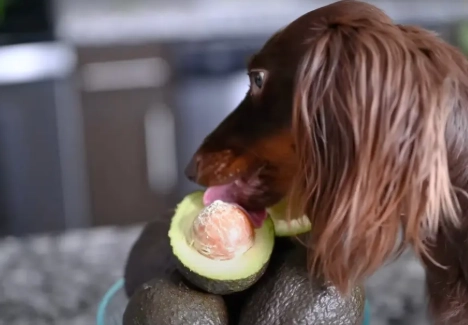
What You'll Learn Here
- What to Do If Your Dog Eats Avocado
I've been around dogs my whole life and worked with vets for years. The most common mistake I see? Owners fixating on the word "toxin" and missing the bigger, more common threat—the sky-high fat content in the flesh. Let's break it all down.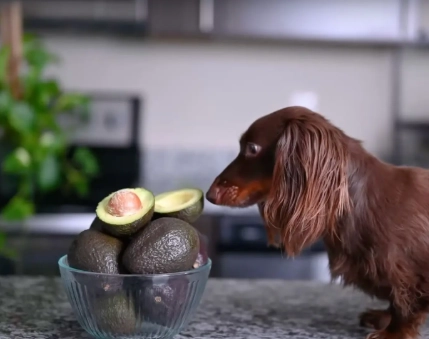
The Toxin in Question: What Exactly is Persin?
Avocados contain a natural fungicidal compound called persin. It's in the leaf, skin, pit, and even the flesh, though in much lower amounts in the part we eat. Persin's effect varies wildly by species.
Birds, horses, and rodents are highly sensitive to persin and can develop serious respiratory distress, heart damage, or even death. This is why avocado is definitively off-limits for pet birds like parrots.
For dogs and cats? They're more resistant. The ASPCA Animal Poison Control Center lists avocado as toxic primarily due to the risk of gastrointestinal upset—vomiting and diarrhea—from the persin and the fat. Pancreatitis from the fat is a far more likely and serious outcome than persin poisoning for a dog that gorges on guacamole.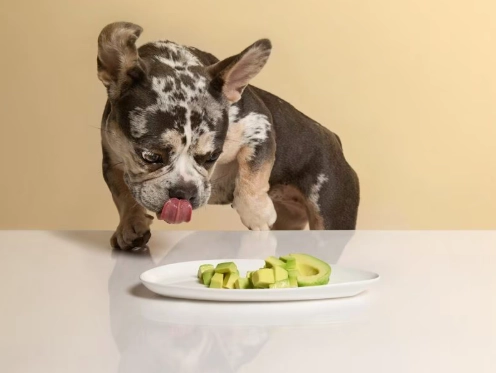
Think of it like this: persin is the lurking background risk, but the fat is the active, immediate threat. A study in the Journal of Veterinary Emergency and Critical Care noted that while persin's impact on dogs is less severe, the high-fat content of avocado flesh presents a clear and documented danger.
Not All Avocados Are Created Equal
Here's a nuance most articles skip. The persin concentration changes with the avocado variety. The common Hass avocado you buy at the store has a different profile than the larger, smoother-skinned Florida avocado.
- Hass Avocados: Higher fat content, thicker skin, smaller pit. The fat risk is higher.
- Florida Avocados: Lower fat content, sometimes marketed as "light." The persin level might be slightly different, but the pit and skin are still major hazards.
The breed of your dog matters too. A tiny Chihuahua eating a spoonful of avocado flesh is at a much greater proportional risk than a Great Dane doing the same.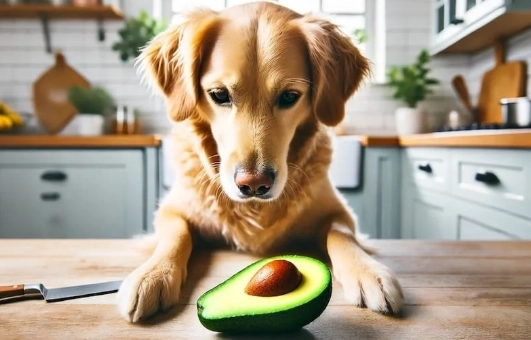
Ranking the Risks: From Pit to Flesh
If we're talking danger, not all parts of the avocado are equal. Let's put them in order.
| Avocado Part | Risk Level | Primary Danger | What Happens |
|---|---|---|---|
| The Pit (Seed) | Extreme | Choking & Intestinal Blockage | It's large, hard, and slippery. Can get stuck in the throat, stomach, or intestines, requiring emergency surgery. Also has the highest persin concentration. |
| The Skin | High | Persin & Obstruction | Difficult to digest, can cause a blockage. Concentrated source of persin, likely to cause significant stomach upset. |
| The Flesh (Plain) | Moderate to High | High Fat Content (Pancreatitis) | The main event. Can trigger painful, life-threatening pancreatitis. Mild persin exposure may cause vomiting/diarrhea. |
| Guacamole / Seasoned Flesh | Very High | Added Toxins (Onion, Garlic, Salt) | Onions and garlic are toxic to dogs and damage red blood cells. High salt is dangerous. This multiplies the risks. |
See how the pit is the worst offender? I've known a dog who needed a $4,000 surgery after swallowing one. The flesh is sneaky because the reaction isn't always immediate. Pancreatitis can take 24-48 hours to show up—lethargy, repeated vomiting, a painful belly.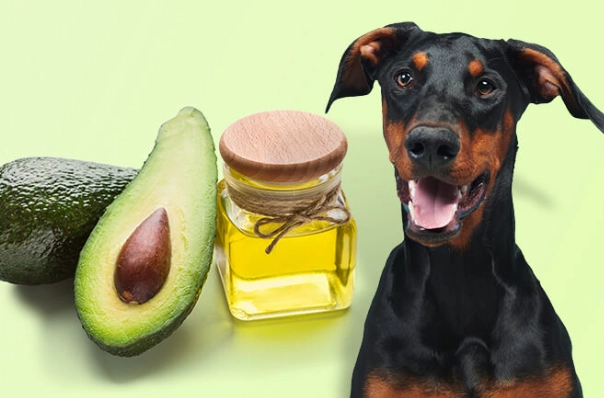
My Dog Just Ate Some. What Now?
Don't panic. Follow these steps. I keep the ASPCA Poison Control number (888-426-4435) saved in my phone. You should too.
Step 1: Assess the Situation. What did they eat? Just a lick of flesh? A whole pit with skin? How much do they weigh? A 5-pound dog eating a quarter of an avocado is an emergency. A 80-pound dog licking a bowl is a watch-and-see (but still call your vet).
Step 2: Call for Professional Advice. Contact your vet or the poison control hotline. Have your dog's weight and the estimated amount ingested ready. Do not induce vomiting unless a professional tells you to. If it's a pit, vomiting could cause it to get lodged in the esophagus on the way back up.
Step 3: Monitor Closely. Look for signs of gastrointestinal distress: vomiting, diarrhea, loss of appetite. For the next two days, watch for signs of pancreatitis: hunched back, whining when belly is touched, persistent vomiting, extreme lethargy.
"But my dog ate avocado once and was fine!" I hear that a lot. It's like Russian Roulette. Maybe the persin level was low, maybe their pancreas handled the fat load that day. It doesn't mean the next time will be fine.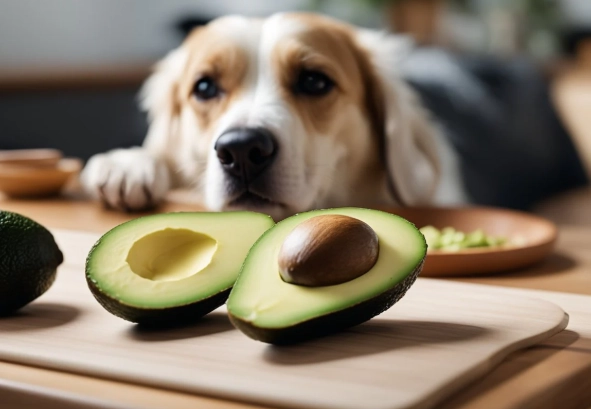
Skip the Risk: Better, Safer Treats
You might want to give avocado for its healthy fats and vitamins. I get it. But the risk-reward ratio is terrible. Here are fantastic alternatives that give the benefits without the danger.
- For Healthy Fats & Coat: A small spoonful of plain, cooked pumpkin (not pie filling), a bit of cooked salmon, or a fish oil supplement formulated for dogs.
- For a Creamy Treat: A dollop of plain, unsweetened yogurt or cottage cheese. Most dogs love it, and it's probiotic.
- For Vitamins & Fiber: Baby carrots, apple slices (no seeds), blueberries, or green beans. Crunchy, low-calorie, and safe.
Always introduce new foods in tiny amounts to make sure your dog's stomach agrees with them.
Your Questions, Answered
The Bottom Line
So, can dogs have avocado? The responsible answer is no. It's not worth the gamble. The potential for a costly, painful emergency—whether from a blocked intestine or a raging case of pancreatitis—far outweighs any perceived nutritional benefit. The internet is full of "my dog is fine" stories, but you don't see the "my dog needed surgery" stories as often. They're too painful to post.
Stick to treats you know are safe. Keep avocados, especially the pits and skins, well out of paw's reach. And if the worst happens, you now know exactly what to do.