Safe Kitten Flea Treatment Guide: How to Protect Your Tiny Friend
Quick Navigation
Let's be honest, finding a flea on your new kitten is a heart-sinking moment. That tiny black speck moving through their fur isn't just a nuisance; it feels like an invasion. Your mind races with questions. Is it safe to treat them? What product do I use? They're so small and fragile. I remember the first time I saw a flea on my foster kitten, Mochi. He was barely eight weeks old, a fluffy ball of energy, and I panicked. I grabbed the first flea shampoo I saw at the store, only to get home and read the fine print: "Not for use on kittens under 12 weeks." That was a lesson learned the hard way. Treating kittens for fleas is a completely different ball game than treating adult cats. Get it wrong, and you could harm them. Get it right, and you give them a comfortable, healthy start to life.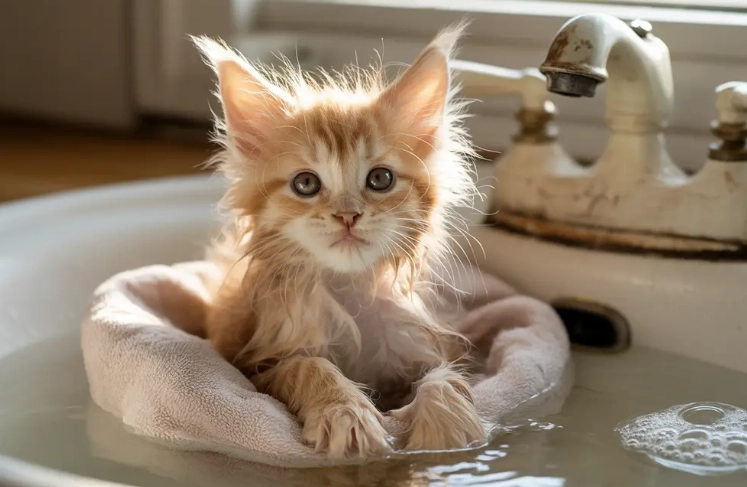
This guide is here to walk you through that process, step by step, without the panic. We'll cover everything from why kittens need special care to how to choose the right product, apply it safely, and handle the aftermath. Consider this your one-stop resource for navigating the world of kitten flea treatment with confidence.
Why Fleas Are a Serious Threat to Kittens (More Than Just Itching)
You might think a few fleas are just an itchy problem. For a full-grown cat, maybe. For a kitten, it's a potential medical emergency. Their small size and developing systems make them uniquely vulnerable.
The biggest danger is anemia. A severe flea infestation means dozens, even hundreds, of fleas feeding on a kitten's blood. Since kittens have a very small total blood volume, this can lead to life-threatening anemia shockingly fast. Signs include pale gums, extreme lethargy, and lack of appetite. If you see these signs alongside fleas, it's a straight-to-the-vet situation.
Then there's flea allergy dermatitis (FAD). Some kittens are hypersensitive to flea saliva. Just one or two bites can trigger intense, relentless itching, leading to hair loss, scabs, and painful skin infections. It's miserable for them.
Fleas are also intermediate hosts for tapeworms. When a kitten grooms and swallows an infected flea, that tapeworm sets up shop in its intestines. You might see little rice-like segments around their bottom or in their bedding.
Frankly, some over-the-counter flea collars or cheap shampoos are practically useless against a serious infestation and can give a false sense of security while the problem gets worse. I've seen it happen.
The Critical First Step: Confirm the Infestation and Kitten's Age
Before you even think about treatment, you need two key pieces of information.
First, is it definitely fleas? Look for "flea dirt"—tiny black specks that turn reddish-brown when placed on a damp paper towel (that's digested blood). Use a fine-toothed flea comb over a white surface. Seeing the fast-moving, dark brown insects confirms it.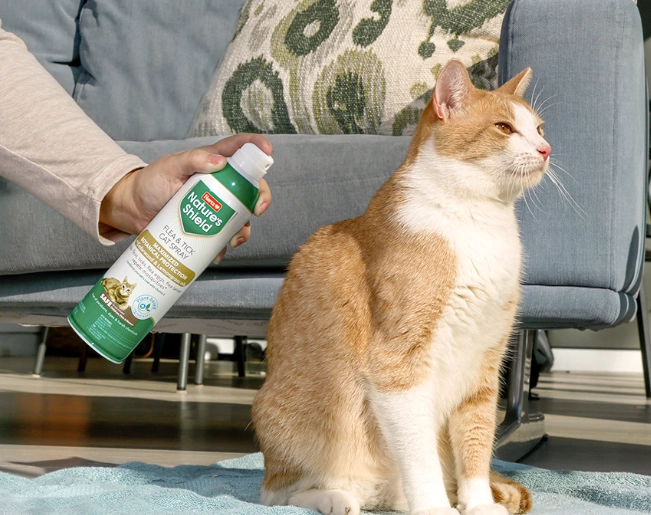
Second, how old is your kitten, and what do they weigh? This is non-negotiable. Most safe flea treatments for kittens require the kitten to be at least 8 weeks old and often over 1.5 or 2 pounds. If your kitten is younger or lighter than that, your only course of action is to call your veterinarian. They may recommend a very gentle, specific topical product or manual removal with a flea comb until the kitten reaches the safe threshold.
Navigating the Maze of Kitten Flea Treatment Options
The product aisle can be overwhelming. Sprays, collars, shampoos, spot-ons, pills. Let's break down what's actually suitable and safe for a young kitten.
What's Generally Safe (With Vet Guidance and Age/Weight Checks)
- Topical "Spot-On" Treatments: These are usually the go-to for vets. Applied to the skin at the back of the neck. Look for active ingredients like fipronil (often found in Frontline) or selamectin (Revolution). Crucially, you must get the kitten-specific formula. The dosage in the adult version is toxic for them. Brands like Revolution even have a specific label for kittens as young as 8 weeks.
- Oral Medications: These are newer and require a prescription from your vet. Products like nitenpyram (Capstar) can kill adult fleas on the kitten within 30 minutes but don't provide long-term protection. It's great for immediate relief as part of a broader plan. Other prescription pills offer month-long prevention.
- Flea Combs: This is the safest, most low-tech tool in your arsenal. It won't solve an infestation alone but is perfect for very young kittens, for removing fleas and dirt immediately, and for monitoring after treatment. Dip the comb in soapy water to drown the fleas.
What to Avoid or Use With Extreme Caution
Flea shampoos are a tricky category. Some gentle, kitten-labeled shampoos can help, but they only kill fleas present at the time of bathing and offer zero residual protection. Bathing a tiny, stressed kitten also has risks (like hypothermia). I rarely recommend them as a primary solution.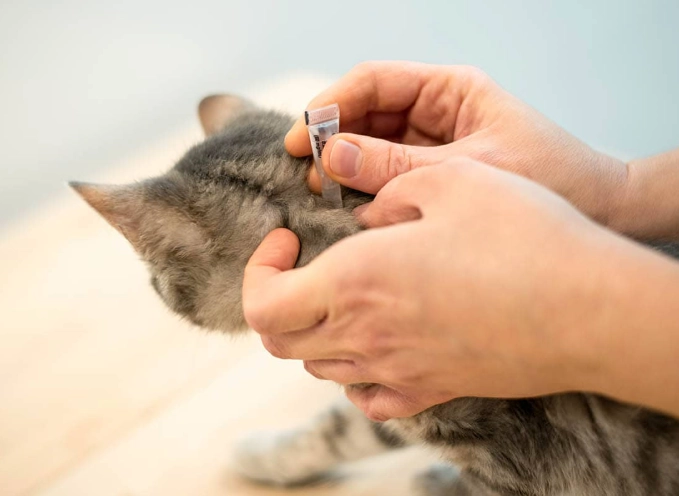
Here’s a quick comparison of the main avenues for kitten flea treatment:
| Treatment Type | Best For | Key Considerations | Typical Minimum Age/Weight |
|---|---|---|---|
| Prescription Topical (e.g., Revolution) | Broad protection (fleas, ear mites, some worms). Easiest application. | Requires vet visit/prescription. Most comprehensive option. | 8 weeks old |
| OTC Topical (e.g., Frontline Plus for Kittens) | Accessible flea & tick control. No prescription needed. | Must double-check it's the kitten formula. Doesn't cover worms. | 8 weeks & 1.5 lbs |
| Oral Tablet (e.g., Capstar) | Rapid kill of adult fleas for immediate relief. | Short-acting (24 hrs). Often used alongside a long-term preventive. | 2 lbs (varies) |
| Flea Combing | All ages, especially under 8 weeks. Monitoring. | Labor-intensive. Not a standalone solution for infestations. |
The Step-by-Step Guide to Treating Your Kitten and Your Home
A successful kitten flea treatment plan is a two-part battle: the kitten and the environment. If you only treat the kitten, the flea eggs and larvae in your home will jump right back on.
Part 1: Treating Your Kitten
- Consult Your Vet: This is always step one if possible. They can weigh your kitten, confirm their age, and recommend the most effective, safe product. They can also check for anemia or other issues.
- Choose the Product: Based on vet advice and the table above, select a treatment that fits your kitten's profile.
- Read the Entire Label: I mean every word. Check age, weight, species, and application frequency.
- Apply Topical Treatment Correctly: Part the fur at the base of the skull until you see skin. Apply the entire vial directly on the skin, not the fur. This spot prevents them from licking it off. Don't massage it in. Do it in a well-ventilated area and wash your hands after.
- Follow Up with Combing: For the next few days, use a flea comb to remove dead and dying fleas. It provides immediate physical relief and lets you gauge the treatment's effectiveness.
Part 2: Declaring War on Your Home
This is where most people fall short. Fleas only live on your pet—they live in your carpets, upholstery, and bedding.
- Wash Everything: All pet bedding, your bedding, and any washable fabrics in hot, soapy water.
- Vacuum Like Your Life Depends On It: Vacuum all floors, carpets, furniture, and even baseboards thoroughly. Immediately seal and dispose of the vacuum bag or empty the canister outside. This physically removes eggs and larvae.
- Consider an Environmental Spray: Look for insect growth regulators (IGRs) like methoprene or pyriproxyfen. These are generally safer for homes with pets as they don't kill adults but break the life cycle by preventing eggs and larvae from developing. The Environmental Protection Agency (EPA) provides resources on safe pesticide use around pets. Always follow label instructions to the letter and remove pets from the room during treatment.
You'll need to repeat the vacuuming and environmental control for several weeks to catch all the emerging life cycles. It's a marathon, not a sprint.
Your Kitten Flea Treatment Questions, Answered
Q: My kitten is only 6 weeks old and has fleas. What can I do?
A: Call your vet immediately. Do not use any chemical product unless explicitly prescribed by them. Your primary tools will be a fine-toothed flea comb used multiple times a day and keeping their environment immaculate. Your vet might approve a specific product for very young kittens, but this is not a DIY situation.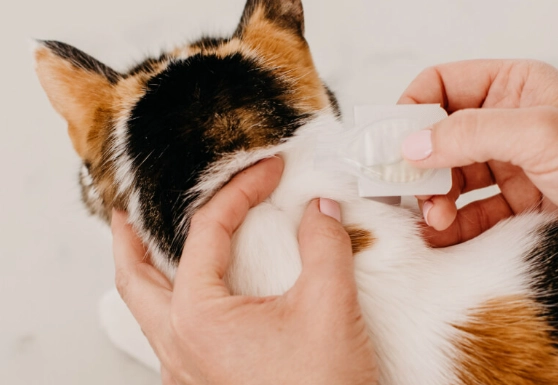
Q: I applied a treatment but I still see fleas. Is it not working?
A: Not necessarily. Most treatments kill adult fleas within 24 hours, but they don't repel fleas. New fleas can jump from the environment onto your kitten. They will be killed after contact, but you might see them for a short time. This is why treating the home is critical. If you're still seeing live, active fleas after 48 hours, consult your vet.
Q: Can I use my dog's flea medication on my kitten?
A: Absolutely not. This is one of the most dangerous mistakes you can make. Many dog products contain permethrin or other compounds that are highly toxic, even fatal, to cats and kittens. Even using the same tube for a dog and a cat can lead to poisoning.
Q: How often should I treat my kitten for fleas?
A: Follow the product label, which is almost always monthly. Do not re-apply early, even if you see a flea. Over-application can lead to toxicity. Consistency is key for prevention. The American Veterinary Medical Association (AVMA) recommends year-round flea prevention in most climates.
Q: Are natural remedies like apple cider vinegar or diatomaceous earth safe?
A: I'm skeptical of their effectiveness for a true infestation. Apple cider vinegar is not a reliable flea killer and can irritate a kitten's skin. Food-grade diatomaceous earth (DE) can be used cautiously on carpets (wear a mask, keep the kitten away until it's fully settled), but never apply it directly to a kitten. They can inhale the fine dust, which is harmful to their lungs, and it can dry out their skin severely.
Prevention: The Best Kitten Flea Treatment of All
Once you've cleared the initial infestation, the goal is to never go through that again. A good preventive routine is simple.
Start your kitten on a vet-recommended monthly preventive as soon as they're old and heavy enough. Treat all pets in the household (cats and dogs) simultaneously to prevent them from passing fleas back and forth. Keep your home clean with regular vacuuming. Be cautious about exposing your kitten to unknown animals or environments that might harbor fleas.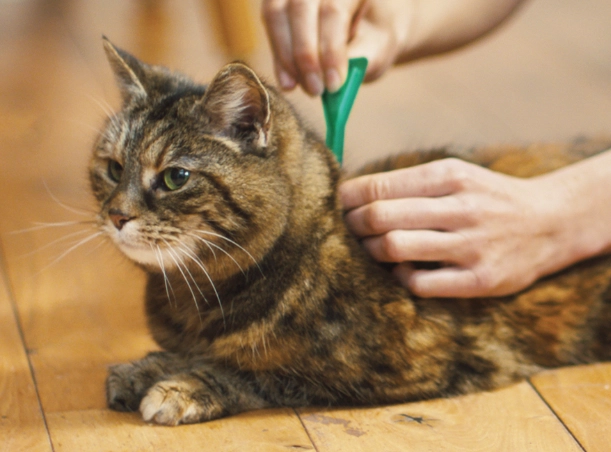
It becomes a simple, monthly habit.
Look, dealing with fleas on something as small and precious as a kitten is stressful. I've been there, feeling that mix of worry and determination. But by understanding the risks, choosing the right weapon from the kitten flea treatment arsenal, and committing to the environmental clean-up, you can absolutely win this fight. The peace of mind you get from seeing your kitten flea-free, playful, and comfortable is worth every bit of effort. Your little friend is counting on you to make the safe choice, and now you have the knowledge to do just that.
Remember, when in doubt, your veterinarian is your best ally. Don't hesitate to pick up the phone. For more detailed information on the flea life cycle and why environmental control is so persistent, the Centers for Disease Control and Prevention (CDC) has excellent, science-based resources. Good luck—you and your kitten have got this.