The American Saddlebred Horse: A Complete Guide to History, Care & Ownership
Quick Navigation
- From Battlefields to Show Rings: A Slice of American History
- Spotting a Saddlebred: Characteristics and That Famous "Look"
- Personality and Temperament: The "Peacock" Myth
- What Can You Actually Do With an American Saddlebred?
- Thinking of Buying One? A Realistic Buyer's Guide
- Caring for Your American Saddlebred: It's Not Just Feed and Water
- Straight Talk: Common Health and Soundness Considerations
- Your American Saddlebred Questions, Answered
- Final Thoughts: Is the American Saddlebred Right for You?
Let's be honest, the first time you see an American Saddlebred horse, it's hard not to stare. There's a presence, a sheer elegance that's hard to miss. That arched neck, those bright, intelligent eyes, and a way of moving that's just... different. It's like watching a natural-born performer. But here's the thing I learned after years around horses – there's a whole lot more to this breed than the flashy show ring image. If you're thinking about American Saddlebreds, maybe even dreaming of owning one, you've probably got a ton of questions. Are they just for show? Are they high-strung? What's the deal with those extra gaits?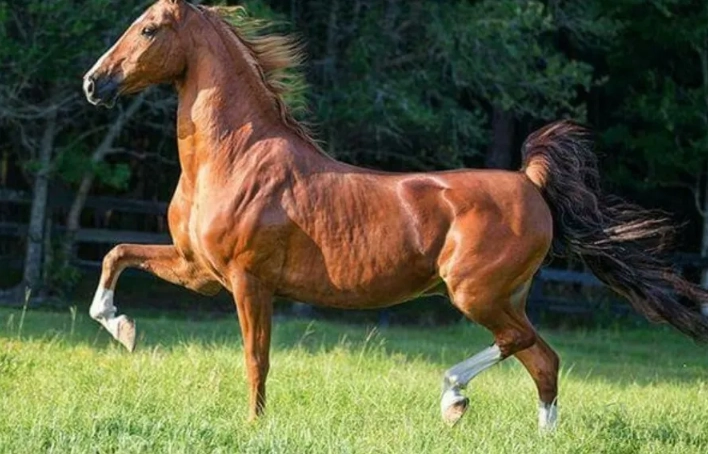
I remember the first time I talked to a longtime Saddlebred owner. I expected maybe a bit of snobbery, you know, the kind that sometimes comes with fancy show breeds. Instead, I got a passionate lecture about their intelligence, their versatility, and their deep history as a true American-made horse. It completely changed my perspective. This guide is my attempt to pass that on – to dig past the glitter and get into the real dirt, hay, and heart of what makes an American Saddlebred tick.
From Battlefields to Show Rings: A Slice of American History
You can't really understand the American Saddlebred without knowing where it came from. This isn't some ancient breed from Europe; its story is woven right into the fabric of the United States. It started back in the 18th century in Kentucky. Settlers needed a comfortable horse that could work all week on the farm and then carry the family to church in style on Sunday. They mixed the steady, sturdy Narragansett Pacer with Thoroughbreds for refinement and speed, and later added some Morgan and Standardbred blood for more stamina and action.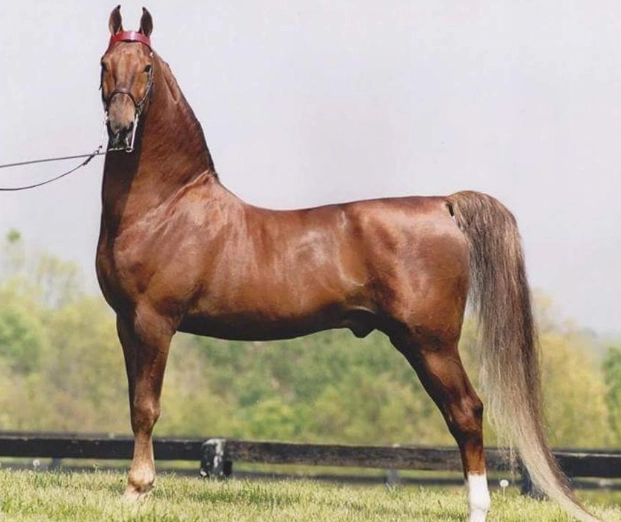
The result was initially called the "American Horse." And it wasn't just a pretty ride. These horses had guts. General Lee's famous warhorse, Traveller? He was of this type – a horse known for endurance, courage, and a smooth ride over long, grueling distances. That's a far cry from just going around a show ring. The breed was formally recognized as the American Saddlebred in 1891, making it one of the first distinctly American horse breeds to have its own registry. The American Saddlebred Horse Association (ASHA) is the official breed registry and a fantastic resource for verifying pedigrees and breed standards.
Quick History Snapshot: The breed's foundation sires, like Denmark (foundation sire of the Denmark family) and Gaines' Denmark, are still names you'll see in pedigrees today. Their genes passed down that iconic combination of beauty, smooth gaits, and a willing temperament.
Spotting a Saddlebred: Characteristics and That Famous "Look"
So, what should you look for? American Saddlebreds have a blueprint. They're typically between 15 and 17 hands tall, so they've got some size, but they're always refined, never clunky. The head is sculpted with a straight or slightly concave profile, big eyes, and pointed ears that are always alert. But the neck – that's the hallmark. It's long, arched, and set high on the shoulder, giving them that proud, upright carriage.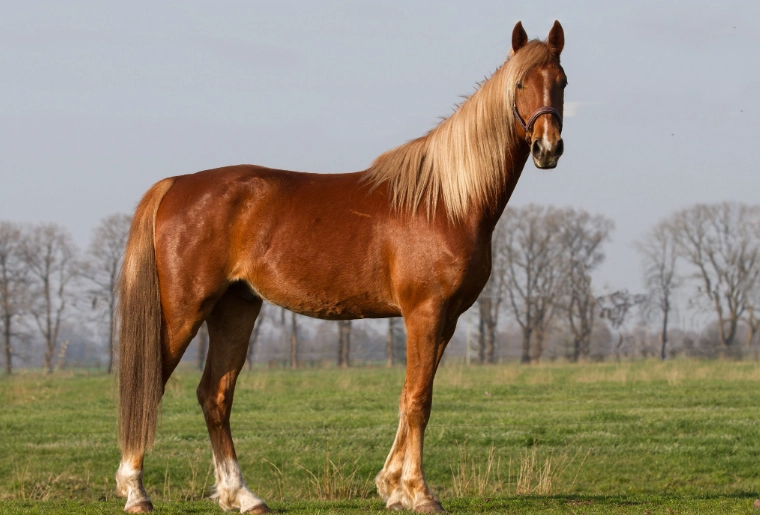
They come in all solid colors – bay, chestnut, black, brown, and gray. You'll see some roans too. Palominos and buckskins are recognized in a separate "color" registry. While you might associate them with flashy white markings, a plain face and solid legs are just as correct. The build is meant for athleticism: a sloping shoulder for that big, fluid stride, a short back, and a high-set tail that adds to their dramatic silhouette.
But let's talk about movement. This is where they truly stand out.
The Gaits: Walk, Trot, Canter... and Then Some
All American Saddlebreds perform the three natural gaits: a flat walk, a trot, and a canter. They're expected to do these with brilliant action, high knee motion, and lots of style. But then there are the "gaited" ones. Many (but not all) Saddlebreds possess the genetics for two extra, man-made gaits:
- The Slow Gait: This is a collected, four-beat gait with high, deliberate steps. It's controlled and showy.
- The Rack: This is the crowd-pleaser. It's a fast, flashy, four-beat gait where each foot hits the ground independently. It's incredibly smooth to sit (no bounce!) and looks like the horse is gliding on air. It takes training and natural ability to do it well.
Not every Saddlebred does these, and that's okay. A "three-gaited" horse is just as much a Saddlebred as a "five-gaited" one. It often comes down to personal preference and what you want to do.
Personality and Temperament: The "Peacock" Myth
They're often called "peacocks of the horse world." That implies vanity and maybe a bit of a diva attitude. In my experience, that's mostly a misunderstanding of their intelligence and sensitivity. Are they smart? Absolutely. They learn quickly, which is great for training, but it also means they get bored easily and will learn bad habits just as fast if you're not consistent.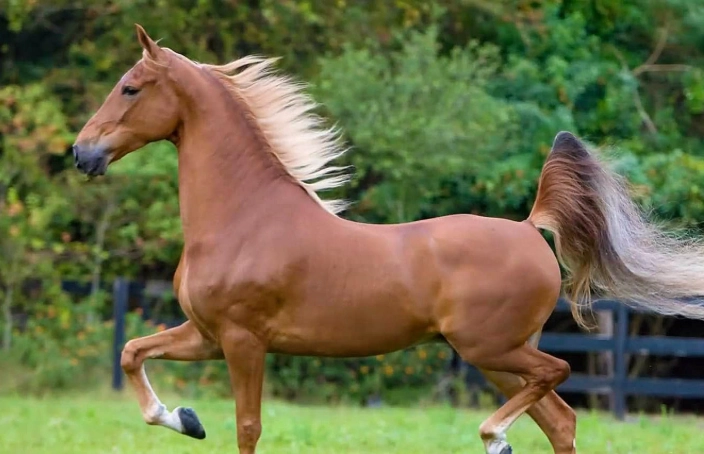
They are people-oriented. A well-bred, well-trained Saddlebred wants to please and loves attention. They thrive on partnership. But that sensitivity means they don't respond well to heavy-handed or harsh training. They need a rider with feel, someone who can communicate with subtle cues. A friend of mine who trains them put it best: "You don't drive a Saddlebred, you suggest, and they respond."
So, are they high-strung? Some can be, especially if they've only known the high-pressure show environment. But the core temperament, when bred correctly and raised with good handling, is willing, alert, and energetic. They have a "motor" and like to go. This isn't a plodding trail horse that you can ignore. They want a job and they want to connect with you. For the right person, that's magical. For a novice who wants a quiet, unflappable pet, it could be a handful.
I've seen a show-ring champion Saddlebred, all braids and glitter, be the gentlest soul with a trainer's young child in the barn aisle. That intelligence lets them understand context – they know when it's time to turn on the brilliance and when it's time to just be a horse. It's a remarkable trait.
What Can You Actually Do With an American Saddlebred?
If you think they're only for saddleseat show classes with cutaway saddles and formal attire, you're missing out. That's their most famous stage, sure. The discipline of saddleseat was literally developed to showcase the best qualities of the American Saddlebreds and other gaited breeds. But their talents run way deeper.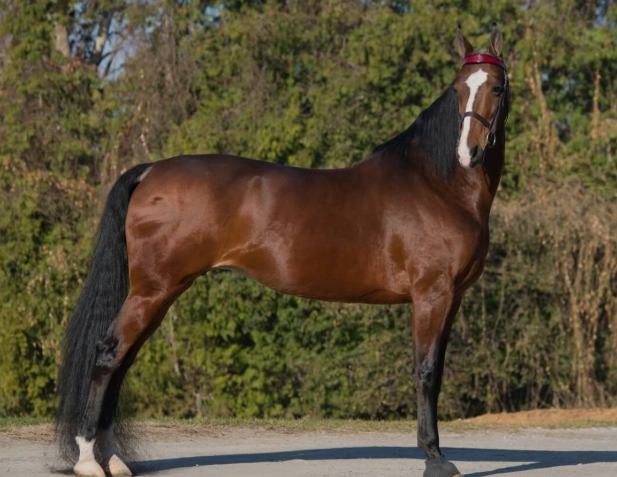
Thanks to their smooth gaits and stamina, they make phenomenal trail and endurance horses. That rack is a game-changer for covering long distances comfortably. Their intelligence and presence make them naturals in the dressage arena, though they'll have a different frame and movement than a Warmblood. I've seen them jump, work cattle, and excel in driving (pulling carts and carriages). They're also popular in the show ring for equitation and pleasure classes beyond just the formal divisions.
The key is matching the horse's natural talents and training to your goals. A horse bred for high-action show trotting might not be the first pick for a low-level dressage test, but with the right training, you might be surprised.
| Discipline | Why Saddlebreds Can Excel | Things to Consider |
|---|---|---|
| Trail Riding | Extremely comfortable gaits (especially the rack), sure-footed, good stamina. | Their high energy and alertness need an experienced rider on spooky trails. |
| Dressage | Intelligent, trainable, naturally collected front end. | The saddleseat training can make achieving a deep, round frame a different challenge. |
| Driving | Stylish, athletic, and historically used as fine carriage horses. | Need a horse with a calm temperament for traffic and distractions. |
| Show Ring (Saddleseat) | This is their classic domain, bred for the brilliance and action required. | Can be a high-cost, high-pressure competitive environment. |
| Pleasure/Equitation | People-oriented, smooth-gaited, and a pleasure to ride when well-trained. | The "show pleasure" style is specific; find a horse trained for the type of riding you want. |
Thinking of Buying One? A Realistic Buyer's Guide
Okay, let's get practical. You're smitten and you're browsing ads. Here's where you need to put on your sensible hat. Buying any horse is a big decision, but with American Saddlebreds, there are some specific things to watch for.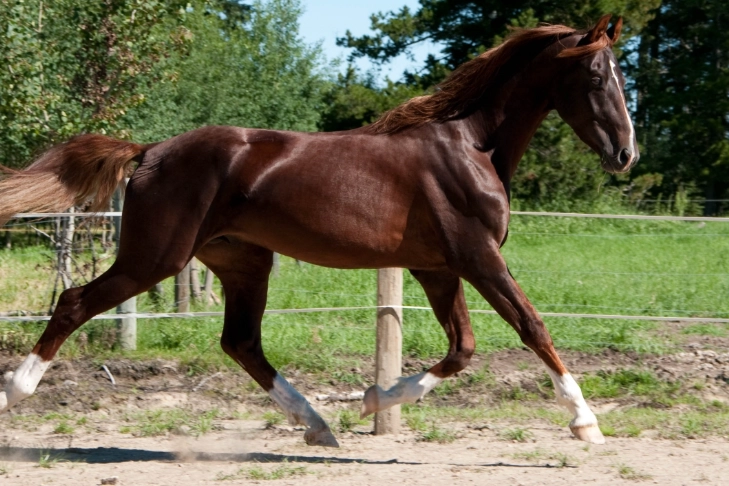
First, set a budget and stick to it. Prices are all over the map. A young, unstarted horse from good bloodlines might be $5,000. A proven show horse can easily be $50,000 or much, much more. A retired show gelding looking for a pleasure home might be a fantastic bargain at $8,000. Don't forget the ongoing costs – board, farrier (they need skilled hoof care), vet, feed, tack, and training. These aren't cheap horses to keep if you want them looking and feeling their best.
Find a reputable source. The ASHA website has breeder directories. Go to local shows and talk to people. Avoid sketchy online ads with too-good-to-be-true prices. A responsible breeder or seller will be happy to answer questions and have a vet check done.
The Pre-Purchase Exam (PPE) is non-negotiable. Hire your own vet, not the seller's vet. Be thorough. Saddlebreds, like any breed, can have issues. Common things vets look for include soundness of legs (they do a lot of work on those front legs), back health, and overall condition. Don't skip this to save $500 – it could save you heartache and thousands later.
Big Red Flag: Be extremely wary of any seller who discourages a vet check, says "he's just a little off because he's been in the pasture," or tries to rush you. A good horse is worth the due diligence.
Be honest about your skills. Are you a confident intermediate rider or a true beginner? That retired show horse might be a perfect gentleman, or he might be confused and anxious without the routine and cues of the show world. A younger horse will need professional training, which adds cost. Consider leasing first to see if the breed is right for you.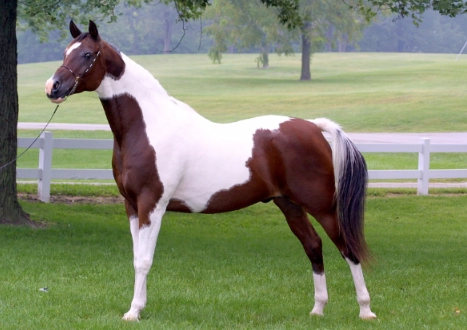
Key Questions to Ask the Seller:
- What is this horse's current training and daily routine?
- Has he shown? In what disciplines? What was his show name? (You can look up records!).
- What are his known vices (cribbing, weaving, etc.)?
- How does he handle the farrier, vet, clipping, loading on a trailer?
- Why are you selling him?
- Can I come and ride him multiple times, in different settings?
Caring for Your American Saddlebred: It's Not Just Feed and Water
Owning one is a commitment. Their metabolism tends to be on the hotter side, so they often need more calories than a pony of the same size, but you have to manage energy carefully. A diet too high in sugars and starches (like rich alfalfa or sweet feed) can turn your elegant partner into a rocket ship. Good-quality grass hay, a balancer pellet, and maybe some fat sources like rice bran are often a better fit.
Hoof care is critical. They are known for having good, hard hooves generally, but the action and movement they're asked for require perfect balance. Find a farrier who understands gaited horses and the specific angles a Saddlebred needs. A bad trim can make them sore and lame.
Exercise is mental health care. A bored Saddlebred is a destructive or neurotic Saddlebred. They need regular work, even if it's just longeing or ground work on days you can't ride. Variety is key – trail rides, arena work, even hand-walking on different routes.
Grooming is part of the bond. They usually love the attention. Keeping that sleek coat, untangled mane and tail, and clean feathers (the long hair on their fetlocks) is part of responsible ownership. It's also a great time to check for cuts, bumps, or heat in their legs.
Straight Talk: Common Health and Soundness Considerations
No breed is perfect. It's important to go in with your eyes open. American Saddlebreds are generally healthy and long-lived (often into their late 20s or 30s). However, certain issues pop up more in this breed, often related to their conformation and the demands of high-action sports.
- Hoof Issues: Aside from farrier needs, conditions like navicular disease can occur, as in many light horse breeds.
- Hock Issues: The strain of pushing off for high action can sometimes lead to arthritis or bone spavin in the hocks.
- Thyroid Problems: Some lines seem prone to thyroid imbalances, which can affect weight, coat, and energy levels. A simple blood test can check this.
- Overbreeding for Extremes: In some show lines, the desire for an extremely upright, "camped under" posture in the hind legs can lead to soundness problems. Look for a horse with good, natural angulation for longevity.
The best prevention is buying a structurally sound horse from a breeder who prioritizes health, providing excellent preventative care (regular vet and farrier), and not over-facing the horse in training or competition.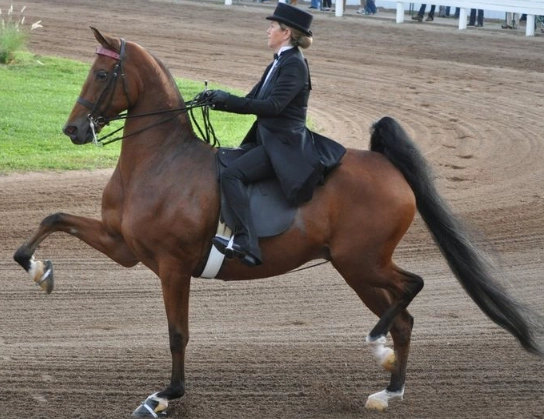
A great resource for any potential owner is the Health & Welfare section of the ASHA website. It provides breed-specific health information and research, which adds a layer of credibility and practical advice you won't find on random forums.
Your American Saddlebred Questions, Answered
I get asked these all the time. Let's tackle some of the big ones.
Are American Saddlebreds good for beginners?
This is the million-dollar question. The short, honest answer is: usually not the best choice for a true, first-time beginner rider or owner. Their sensitivity, intelligence, and energy require a rider with solid basics, good balance, and quiet hands. A beginner might inadvertently confuse or scare them. However, a very well-trained, older, and patient Saddlebred gelding can be a wonderful teacher for a confident beginner under the guidance of an experienced instructor. The key is the individual horse's temperament and training, not just the breed label.
How long do they live?
With good care, they are a long-lived breed. It's not uncommon for them to live into their late 20s, and many reach their 30s. I know of several still enjoying light trail rides at 28. Their longevity is a testament to their general hardiness when cared for properly.
Are they expensive to maintain?
Yes, compared to many other breeds, they can be. They often require more feed (quality calories), more frequent farrier visits (every 5-6 weeks), and often benefit from ongoing training or lessons to keep them engaged. If you board, a barn familiar with high-energy, gaited horses might charge more. You need to budget for this reality.
What's the difference between a Three-Gaited and Five-Gaited Saddlebred?
It's about ability and training, not necessarily quality. A Three-Gaited horse performs the walk, trot, and canter. They are often shown with a roached (clipped short) mane and are known for extremely high, brilliant action at the trot. A Five-Gaited horse performs all three natural gaits plus the slow gait and the rack. They are shown with a full, long mane and tail. Some horses are physically and mentally more suited to one style over the other. A great three-gaited horse is not a "failed" five-gaited horse.
Can you jump an American Saddlebred?
You can! They are athletic and brave. However, their natural build (upright shoulder, sometimes straighter hind leg) isn't the classic jumping prototype of a Thoroughbred or Warmblood. They may not be Grand Prix contenders, but they can absolutely learn to jump and have fun over low courses, hunt courses, or trail obstacles. It's all about setting realistic expectations for the individual horse.
Final Thoughts: Is the American Saddlebred Right for You?
Look, the American Saddlebred horse isn't for everyone. They demand attention, both in care and in partnership. They can be expensive and sometimes challenging. If you want a horse you can ignore for a week and then hop on for a quiet plod, look elsewhere.
But.
If you want a horse that feels like a true partner, that communicates with every flick of an ear, that has a history as deep as the country it came from, and that can carry you with a smoothness that has to be felt to be believed... then you might just be a Saddlebred person. They are more than just a flashy show horse. They are athletes, companions, and living pieces of history with a heart as big as their presence. Do your homework, be realistic, and if you find the right one, you'll have an experience like no other. The connection with a good Saddlebred is something special. It's not just riding; it's a conversation.
Start by visiting a show, talking to owners, and maybe even scheduling a lesson on one. Feel that rack for yourself. See that intelligence in their eye. You'll know pretty quickly if it's the right fit. The world of American Saddlebreds is a passionate one, and it's always welcoming to those who appreciate these incredible horses for all that they are.