Can Dogs Have Nightmares? Signs, Causes & How to Help
Quick Navigation
- What's Happening in Your Dog's Sleeping Brain?
- Spotting the Signs: Is It a Nightmare or Something Else?
- Why Do Dogs Have Nightmares? Unpacking the Causes
- The Big Dilemma: Should You Wake a Dog Having a Nightmare?
- How to Help Your Dog Have Fewer Bad Dreams
- Wrapping It Up: A Little Empathy Goes a Long Way
You're lying in bed, half-asleep, when you hear it. A soft whimper from your dog's bed in the corner. Then a twitch. A muffled growl. The legs start paddling like they're running. Your first thought is probably, "Is he chasing a squirrel in his sleep?" But then the whimpers get more distressed. The growl sounds anxious. And you sit up, heart squeezing, wondering: can dogs have nightmares? Is my best friend scared right now, trapped in a bad dream?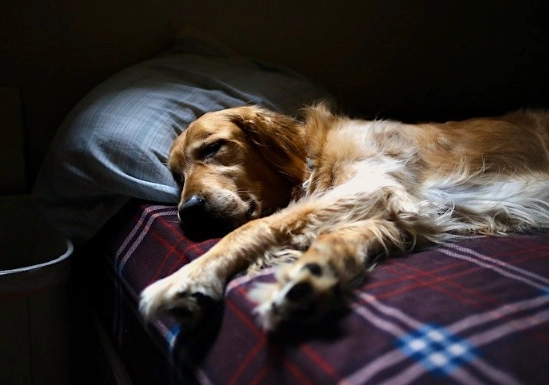
Let's cut right to the chase. Yes, dogs can absolutely have nightmares. It's not just a cute anthropomorphism. The science is pretty clear on this. If you've ever doubted it, watching a dog whimper and twitch through what looks like a frightening dream is a convincing argument all by itself. I remember my old Labrador, Baxter. He'd let out these tiny, heart-wrenching yelps in his sleep, his eyebrows furrowed. It was a stark contrast to the happy tail-thumps of what I assumed were dreams about the dog park.
The real questions aren't about if it happens, but why it happens, how you can tell, and most importantly, what you should do about it. That's what we're going to unpack here. We'll move past the simple "yes" and get into the messy, fascinating details of the canine sleeping mind.
What's Happening in Your Dog's Sleeping Brain?
To understand nightmares, you gotta understand sleep. Dogs, like us, cycle through sleep stages. There's slow-wave sleep (the deep, restorative stuff) and Rapid Eye Movement (REM) sleep. Dreaming, both good and bad, primarily happens during REM sleep. During this phase, the brain is incredibly active—processing memories, experiences, and emotions. The body, however, is mostly paralyzed (a state called atonia) to prevent you—or your dog—from physically acting out those dreams.
That paralysis isn't always perfect. Hence the twitches, paddling, muffled barks, and whimpers. They're little leaks of dream activity into the physical world. Studies on mammalian sleep, including those referenced by institutions like the National Institutes of Health (NIH), show that the brain structures involved in memory and emotion (like the amygdala and hippocampus) are highly active during REM across species. So when we ask "can dogs have nightmares," we're really asking if their brains process fearful or stressful memories during sleep the way ours do. The evidence strongly suggests they do.
Puppies and older dogs tend to dream more visibly. Puppies are processing a tsunami of new experiences. Older dogs might have more memories to sift through, or age-related cognitive changes that affect sleep patterns. It's a whole world in there.
Spotting the Signs: Is It a Nightmare or Something Else?
This is the million-dollar question for worried pet parents. Misreading the signs can lead to unnecessary panic or, worse, missing a serious health issue. So let's break down what a dog nightmare typically looks like, and crucially, what it doesn't look like.
The Classic Nightmare Symptoms
When a dog is having a bad dream, the signs are usually subtle versions of awake behaviors, filtered through sleep paralysis. You might see:
- Vocalizations: This is the big one. Low whimpers, distressed whines, growls that sound anxious or fearful (not playful or aggressive), and even quiet, sad-sounding barks. It's the vocal tone that gives it away—it sounds upset.
- Physical Twitching: Not the big, violent jerks, but smaller movements. Twitching of the eyelids, lips, ears, or legs. The "running" motion with the paws is classic. The tail might even give a few tense flicks.
- Facial Expressions: Their face looks troubled. You might see the eyebrows pinching together, the nostrils flaring, or the mouth pulled tight.
- Breathing Changes: Their breathing might become quicker, shallower, or even pause for a second before resuming with a sigh or whimper.
The whole episode usually lasts from a few seconds to a couple of minutes. Then, they either settle back into quiet sleep or wake up, often with a slight startle, looking momentarily confused before shaking it off and getting their bearings.
The Red Flags: When It's NOT a Nightmare
This is the critical part. Some conditions can look like a nightmare but are medical emergencies. You need to be able to tell the difference. The most common confusion is between a nightmare and a seizure.
| Feature | Dog Nightmare / Dreaming | Seizure (e.g., Grand Mal) |
|---|---|---|
| State of Awareness | Fully asleep. Difficult or impossible to wake during the episode. | Unconscious or has altered consciousness, even if eyes are open. |
| Movement Control | Movements are purposeful but suppressed (paddling, twitching). The dog can stop if woken. | Movements are involuntary, rigid, and rhythmic (paddling, jerking, chewing). Cannot be stopped by intervention. |
| Duration | Typically brief (seconds to a few minutes). | Can be brief or prolonged. Any seizure lasting over 5 minutes is an emergency. |
| After-Effects | May wake up slightly disoriented but returns to normal quickly (seconds/minutes). | Post-ictal phase: prolonged confusion, disorientation, pacing, blindness, or exhaustion (minutes to hours). |
| Bodily Functions | Rarely involves loss of bladder/bowel control. | Often involves urination, defecation, or salivation. |
| Triggers | Occurs during deep sleep, often after an eventful day. | Can occur anytime, awake or asleep. May have no obvious trigger. |
Other conditions to rule out include REM Sleep Behavior Disorder (where the paralysis fails and the dog aggressively acts out dreams, which is rare), pain (from arthritis causing whimpering when shifting), or even simple indigestion. If you see stiff, rigid limbs, uncontrolled drooling, loss of bladder control, or a prolonged state of confusion after the event, it's not a simple nightmare. Time to call the vet.
Why Do Dogs Have Nightmares? Unpacking the Causes
So, we know dogs can have nightmares. But what actually *causes* them? It's rarely one single thing. Think of it as a perfect (or imperfect) storm of factors that bubble up from their subconscious during sleep.
Past Trauma or Stressful Experiences: This is a big one, especially for rescue dogs. A dog who had a rough past—abuse, neglect, time in a loud shelter, a traumatic event like a car accident—may relive fragments of those experiences in their sleep. Their brain is trying to process and file away that scary memory, and sometimes it spills out as a nightmare. It's heartbreaking, but it makes biological sense.
Daily Stress and Anxiety: It doesn't have to be major trauma. A really stressful day can do it. A tense visit to the vet, a loud thunderstorm they endured, a hostile encounter with another dog on a walk, or even overstimulation from a chaotic household (think: kids' birthday party). If they go to bed with their brain buzzing from stress chemicals, that can influence dream content.
Breed and Individual Disposition: Some breeds are just more prone to anxiety and sensitivity. High-strung herding breeds, for example, might be more likely to have sleep disturbances than a laid-back bulldog. But it's hugely individual. I've known incredibly anxious golden retrievers and bomb-proof terriers.
Medical Issues: Pain can definitely lead to restless sleep and vocalizations. Cognitive Dysfunction Syndrome (doggy dementia) in senior dogs can severely disrupt sleep-wake cycles and cause confusion, night-time waking, and distressed vocalization that looks like nightmare behavior. Poor sleep quality from conditions like sleep apnea (yes, dogs can get it) can also make everything worse.
Simple Memory Replay: Sometimes, it might not even be a full-blown "nightmare," but just the brain replaying a mildly scary or frustrating moment. Like the time the squirrel got away, or the frustration of being told "leave it" with a delicious piece of food on the ground. The line between a frustrating dream and a scary one can be blurry.
The Big Dilemma: Should You Wake a Dog Having a Nightmare?
This is the question every dog owner faces in that moment. Your instinct is to comfort, to soothe, to make it stop. But is that the right move?
The consensus from most behaviorists and vets is a cautious **no, you should not abruptly wake a dog from a nightmare.** Here's why: A dog in deep REM sleep is not fully conscious of its surroundings. Being jolted awake, especially from a frightening dream, can cause a startle reflex. In that confused, semi-conscious state where dream and reality blur, they might instinctively snap or bite out of fear before they even recognize you. It's not aggression; it's a disoriented defensive reflex.
It's a scary thought. So what *should* you do?
A Better Approach: Gentle Intervention
- Don't Touch. Resist the urge to shake them or pick them up. Keep your hands away from their mouth.
- Use Your Voice. From a safe distance, speak to them in a calm, soft, and reassuring tone. Use their name and gentle words like "It's okay," "You're safe." Often, the sound of your familiar, calm voice can penetrate the dream and soothe them without causing a sudden wake-up.
- Let It Pass. Most nightmares are short. If your voice doesn't calm them and the episode is continuing, it's often best to let it run its course. Watch closely, but don't intervene physically.
- Comfort Upon Waking. If they wake up on their own, looking confused or anxious, that's your cue. Offer gentle pets, quiet praise, maybe a cuddle if they seek it. Offer them a drink of water. Help them re-orient to the safe, present reality.
What if the nightmare seems extremely severe and prolonged? If you're truly concerned and the gentle-voice method isn't working, you can try making a soft noise from across the room, like gently tapping the wall or rustling a blanket, to create a non-threatening sound that might rouse them more gradually than a direct touch.
The goal is to avoid the startled, defensive wake-up. Your safety and their sense of security both matter.
How to Help Your Dog Have Fewer Bad Dreams
While you can't control your dog's dreams directly, you can absolutely shape their waking life to promote better sleep and reduce overall anxiety, which can minimize nightmares. Think of it as proactive dream management.
1. Build a Rock-Solid Bedtime Routine
Dogs thrive on predictability. A calm, consistent wind-down routine signals to their brain and body that it's time for restful sleep, not stress. An hour before bed, shift the household energy down. Turn off loud TV, dim the lights. Offer a last, calm potty break. Maybe some gentle brushing or quiet petting on the couch. Avoid rowdy play or exciting training sessions right before bed.
2. Prioritize Physical & Mental Exercise
A tired dog is (usually) a good sleeper. But it's not just about physical exhaustion. Mental stimulation is crucial for tiring out their brain. A long walk is great, but add in some nosework (hiding treats for them to find), a training session with new commands, or a food puzzle toy. A brain that's been properly engaged during the day is more likely to enter restorative sleep rather than anxious, replay-mode sleep.
3. Create a Safe, Comfy Sleep Sanctuary
Where does your dog sleep? Is it a high-traffic area? Drafty? Noisy? Make their sleeping area a dedicated, comfortable, and secure spot. A supportive bed in a quiet corner, maybe with a blanket that smells like you. For anxious dogs, a crate (if they are crate-trained and see it as a safe den) can provide a sense of security. Some dogs love cave-style beds that offer more enclosure.
4. Manage Daytime Stress and Anxiety
This is tackling the root cause. If your dog has general anxiety, noise phobias, or fear-based behaviors, working on those during the day with positive reinforcement training, desensitization, or under the guidance of a certified behaviorist (resources can often be found through groups like the Animal Behavior Society) can have a profound impact on their nighttime brain. Less daytime anxiety often equals less nightmare fuel.
5. Talk to Your Vet
If nightmares are frequent or severe, a vet check is step one. Rule out pain, neurological issues, or cognitive decline. In some cases of extreme anxiety, your vet might discuss short-term sleep aids or anxiety medications to help break the cycle of poor sleep and give the dog's system a reset. This isn't a first resort, but it can be a valuable tool for some dogs when combined with behavioral work.
Wrapping It Up: A Little Empathy Goes a Long Way
Watching your dog have a nightmare is a uniquely helpless feeling. You want to dive into their dream and shoo the monsters away. But understanding what's happening—that it's a normal, if unpleasant, part of how their brain works—can make it less scary for you.
The answer to "can dogs have nightmares" is a definitive yes. It's a window into their emotional world. Those whimpers and twitches are proof of a complex inner life, one that includes fears and memories as well as joys.
Your job isn't to prevent all dreams, good or bad. That's impossible. Your job is to be a steady, safe anchor in their waking life. Provide exercise, routine, comfort, and security. Manage their stress. Create an environment where positive experiences vastly outweigh the negative ones. Do that, and you'll naturally tilt the scales toward more peaceful sleep and sweeter dreams.
And when the occasional bad dream does happen? You'll know not to startle them awake. You'll know to offer your calm voice as a lifeline from the real world. And you'll be there with a gentle touch when they wake, reminding them that they're here, with you, and everything is okay.
That's the best any of us can do for our dreaming friends.