Can Dogs Eat Ginger? A Vet-Approved Guide to Benefits & Safety
You're chopping ginger for dinner, and those puppy dog eyes are locked onto you. That little piece of aromatic root is sitting on the cutting board, and the question pops into your head: can dogs eat ginger? Is it a harmless treat or a hidden danger? I've been there. I remember staring at my own dog, wondering if sharing a bit of this spicy root would help his occasional upset stomach or send us on an emergency vet visit.
Let's cut right to the chase. The short answer is yes, dogs can eat ginger, but—and this is a massive but—it has to be done correctly. It's not a simple yes or no. Giving your dog ginger is a bit like using a powerful spice in your own cooking. A tiny pinch can work wonders, but a heavy hand ruins the whole dish. This article isn't about scaring you or giving you a one-line answer. It's about giving you the complete picture, the kind of deep-dive info you'd get from a trusted, experienced friend who's navigated this exact question. We'll talk benefits, real risks, how to do it safely, and I'll even share some moments where I got it wrong, so you don't have to.
So many blog posts just say "it's safe" and move on. That's not helpful. What if your dog is on medication? What if it's a tiny Chihuahua versus a giant Great Dane? What does "a small amount" even mean? We're going to unpack all of that. By the end of this, you'll know exactly what to do, what to avoid, and you'll feel confident making a decision for your furry family member.
In This Guide
Why Even Consider Ginger for Your Dog? The Potential Benefits
People don't just ask "can dogs eat ginger" out of random curiosity. Usually, there's a reason behind it. Maybe your dog gets car sick, or his digestion seems a bit off, or you've heard whispers about its anti-inflammatory properties for older dogs with stiff joints. Let's break down what science and veterinary experience suggest ginger might do.
The active compounds in ginger, like gingerol, are what give it the punch. In humans, these are well-studied for things like nausea and inflammation. The logic follows that dogs might get similar benefits, and many vets acknowledge this potential, even if large-scale dog-specific studies are fewer.
Top Benefit: Soothing Tummy Troubles
This is the big one. If your dog suffers from motion sickness during car rides, occasional vomiting, or general digestive unease, a tiny bit of ginger might be a natural helper. It's thought to work by calming the stomach and intestinal tract. I've spoken to owners who swear by a little ginger paste before a long trip. It's not a guaranteed fix for every dog, but it's a common first line of gentle support.
Think of it as a more natural alternative to some over-the-counter options, though never as a replacement for vet-prescribed medication for serious conditions.
Fighting Inflammation: Help for Achy Joints
As dogs age, arthritis and joint inflammation can become a real problem. Ginger's anti-inflammatory properties are its second most famous feature. While it's not as potent as prescription drugs, incorporating a little ginger into the diet of an older dog might contribute to an overall joint health plan. It's about managing comfort, not curing the issue.
One vet I talked to called it "part of the supportive toolkit," not the main tool. That's a good way to think about it.
Other Possible Perks
Some sources point to ginger supporting heart health by improving circulation and potentially having a mild blood-thinning effect. There's also talk about antioxidant properties. Honestly, the evidence here for dogs is thinner, but it's part of the overall positive profile. The main attractions remain the stomach and joint support.
It's crucial to balance this optimism. The benefits are potential and mild. Ginger is not a miracle drug. If your dog has severe arthritis or chronic vomiting, the answer to "can dogs eat ginger" might be yes, but you absolutely need a vet's diagnosis and treatment plan first. Ginger can be a complementary player, not the star of the show.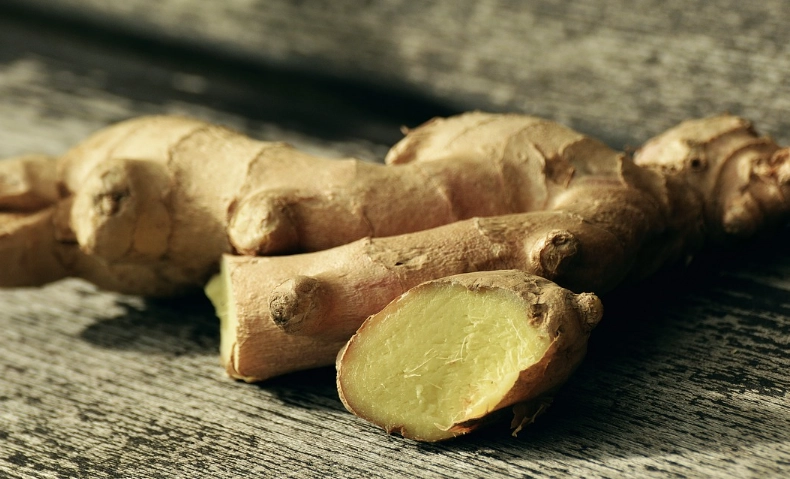
The Not-So-Sweet Side: Risks and "Absolutely Not" Situations
This is where most articles fail. They gloss over the risks. I won't. Understanding when ginger is NOT safe for dogs is more important than knowing when it is.
Giving too much ginger, or giving it to the wrong dog, can cause problems. Here’s what you need to watch for.
Gastrointestinal Upset: The Irony
Here's the funny part. While small amounts can soothe a troubled stomach, too much ginger can cause the very problem you're trying to fix. We're talking gas, bloating, heartburn, or even diarrhea. It's spicy and pungent. A dog's digestive system isn't built for large quantities. If you give too much, you might create a messy situation you'll regret.
Start with a crumb. Literally. A piece the size of a grain of rice for a small dog.
The Blood-Thinning Effect: A Serious Concern
This is a major red flag. Ginger has natural blood-thinning properties. For a healthy dog, a tiny bit is negligible. But if your dog is already on anticoagulant medication (like blood thinners for a heart condition), ginger can dangerously amplify the effect. This is non-negotiable.
Similarly, if your dog is scheduled for surgery, you must stop ginger well in advance. You don't want to risk excessive bleeding. Always, always inform your vet about any supplements or human foods you're giving, ginger included.
Blood Sugar Interactions
Ginger may influence blood sugar levels, potentially lowering them. For a diabetic dog whose insulin dose is carefully calibrated, this can throw everything off balance. If your dog has diabetes, the answer to "can my dog eat ginger" should come directly from your veterinarian, not the internet.
Specific Dogs Who Should Avoid Ginger
Some dogs just shouldn't go near it:
- Pregnant or nursing dogs: The effects are not well-studied in dogs, so it's best to avoid the uncertainty.
- Dogs with known gallbladder issues: Ginger can stimulate bile production, which could be problematic.
- Very small puppies or elderly dogs with fragile systems: Their tolerance is lower. When in doubt, skip it.
And then there's the form of ginger. This is critical.
The Danger of Processed Ginger Products
This might be the most important section in this entire article. When people ask can dogs eat ginger, they might be picturing the powdered spice, ginger ale, or ginger snaps. The answer to those is a resounding NO.
| Ginger Product | Safe for Dogs? | Why It's Dangerous |
|---|---|---|
| Fresh, Raw Ginger Root | Yes, in tiny amounts | The pure, unadulterated form. Easiest to control. |
| Pure Ginger Powder (Spice) | Extreme Caution | Much more concentrated. A pinch is too much. Easily overdone. |
| Ginger Ale or Ginger Beer | NO | Loaded with sugar, artificial sweeteners (xylitol is toxic!), and carbonation. |
| Ginger Snaps/Cookies | NO | Full of sugar, butter, wheat, and other ingredients harmful to dogs. |
| Candied/Crystallized Ginger | NO | Packed with sugar, sometimes even preserved with sulfites. |
| Ginger Supplements/Pills | Only if Vet-Prescribed | Potency is unknown. May contain other ingredients. Never give human supplements. |
See the pattern? Anything other than a tiny bit of the fresh root introduces new risks—mainly sugar, artificial additives, and uncontrolled potency. Stick to the fresh stuff. It's cheaper and safer.
The Step-by-Step Guide: How to Safely Give Ginger to Your Dog
Okay, let's say you've read the risks, checked with your vet (you did check with your vet, right?), and you want to try it. How do you actually do it without messing up? Let's get practical.
Never force-feed it. If your dog sniffs and walks away, respect that. Their instinct is often good.
What's a maintenance dose? General veterinary guidance suggests a safe limit is roughly 1/4 teaspoon of freshly grated ginger per 10 pounds of body weight, per day, and only occasionally. But I'd start at a quarter of that and see. Most dogs don't need it daily. Use it as an occasional support, not a daily supplement.
If you see any signs of upset—lethargy, vomiting, diarrhea—stop immediately. Your dog might just be sensitive to it. It doesn't mean you did something horribly wrong; it just means ginger isn't for them.
Your Burning Questions, Answered
My dog just ate a piece of ginger I dropped. Should I panic?
Take a breath. One small piece of fresh ginger is unlikely to harm a medium or large dog. Watch for signs of stomach upset. If it was a large amount, or if it was candied ginger or something from a cookie, call your vet or the ASPCA Animal Poison Control Center for specific advice. Having that number (888-426-4435) saved is a good idea for any pet parent.
What's the difference between ginger and turmeric for dogs?
Great question. They're often mentioned together. Both are anti-inflammatory roots. Turmeric (and its active compound curcumin) is often highlighted more for joint inflammation, but it has poorer absorption on its own. Ginger is often highlighted more for digestive issues. Both need to be given in tiny amounts and with caution. They are not interchangeable.
Can ginger help my dog's bad breath?
Temporarily, maybe, because it's pungent. But it's a mask, not a cure. Bad breath in dogs is usually a sign of dental disease or other underlying issues. Using ginger for bad breath is like using a mint for a cavity—it doesn't fix the problem. See your vet for a dental check.
Is powdered ginger from my spice cabinet okay?
I'm very hesitant here. Powder is incredibly concentrated and easy to over-dose. If you must use it, a tiny, tiny pinch (think 1/16 of a teaspoon for a large dog) mixed thoroughly into food. But fresh is always better and safer because you can control it visually.
My dog has arthritis. Can ginger replace his pain medication?
Absolutely not. This is a dangerous thought. Prescription pain meds are dosed precisely for your dog's condition and weight. Ginger may provide mild, supportive anti-inflammatory effects, but it is not powerful enough to manage the pain of clinical arthritis. Never stop or replace prescribed medication without your vet's explicit instruction. You could cause your dog significant suffering.
The Final Word: A Balanced Perspective
So, can dogs eat ginger? The journey to that answer is more important than the answer itself.
Yes, most healthy dogs can eat a tiny, carefully measured amount of fresh ginger root as an occasional thing. It might help with minor tummy queasiness or add a touch of anti-inflammatory support. But the potential benefits are mild and don't apply to every dog.
The risks, while manageable with caution, are real—especially regarding drug interactions and improper dosing. The biggest mistake you can make is treating it as a "superfood" and dumping it into your dog's bowl.
When in doubt, skip it. Your dog's diet doesn't require ginger to be complete and healthy. If you choose to try it, let the principles of freshness, microscopic dosing, and veterinary consultation guide you every single time.
And remember, no blog post, no matter how detailed, replaces a relationship with a good veterinarian. Use this information to have an informed chat with them. That's how you become the best advocate for your dog's health. Now, go give your pup a scratch behind the ears—they probably prefer that over a piece of ginger anyway.