Is Celery Good for Dogs? Vet-Reviewed Nutrition Facts & Safety Guide
So you're standing in the kitchen, crunching on a stalk of celery, and those big, hopeful eyes are locked on you. You know the look. The "can I have some, please?" look. And you pause, celery mid-air, and think... wait, is celery good for dogs? Is this harmless, or am I about to make a mistake?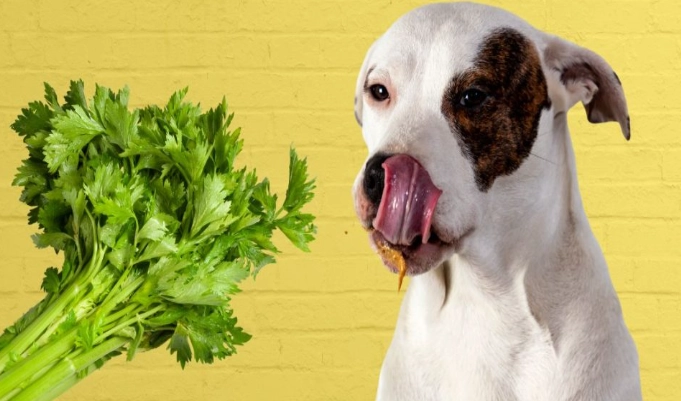
I've been there. With my own Labrador, who would try to convince me a broccoli floret was a gourmet treat. The short answer? Yes, in most cases, celery is perfectly safe for dogs to eat. But—and this is a big but—it's not as simple as just handing over the whole stalk. There's a right way and a wrong way to do it.
Honestly, when I first looked into this, I was surprised by how much there was to consider. It's not just a yes or no question. We need to talk about preparation, portion size, potential hidden dangers, and whether it's even worth the fuss. Some dogs go nuts for the crunch, others sniff it and walk away like you've offended them.
Let's break it all down, so the next time your dog gives you that look, you'll know exactly what to do.
Quick Guide
- The Straight Answer: Nutritional Pros of Celery for Dogs
- Hold On: The Not-So-Great Parts & Potential Risks
- How to Actually Serve Celery to Your Dog (The Safe Way)
- Celery vs. Other Common Veggie Treats
- Your Questions, Answered (The Stuff You're Actually Searching For)
- Putting It All Together: The Final Verdict
The Straight Answer: Nutritional Pros of Celery for Dogs
Let's start with the good stuff. Why would you even consider giving your dog celery? It turns out this humble veggie packs a decent punch in the nutrition department, especially for a low-calorie snack.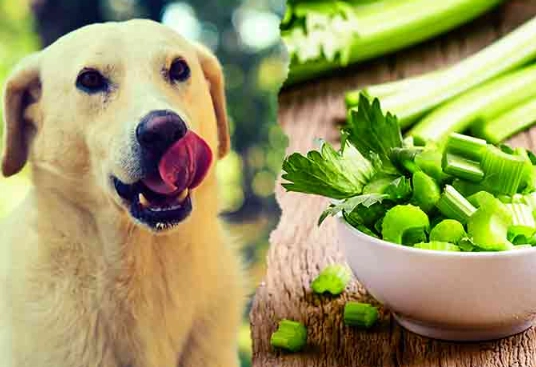
First off, it's mostly water. We're talking about 95% water content. This can be a great thing, especially on a hot day or for dogs who aren't the best at drinking from their bowl. It's a hydrating little snack. Then you've got the fiber. Celery is a good source of dietary fiber, which can aid in digestion and help keep things... regular. If you catch my drift.
But the benefits don't stop there. Celery contains a mix of vitamins and antioxidants that can contribute to overall health:
- Vitamin K: Important for healthy blood clotting and bone metabolism.
- Vitamin A: Good for vision, immune function, and skin health.
- Folate (Vitamin B9): Supports cell function and tissue growth.
- Potassium: An essential mineral that helps with nerve function, muscle health, and fluid balance.
- Antioxidants like luteolin and apigenin: These compounds help fight oxidative stress and inflammation in the body.
Here's a quick look at what's in a typical 100-gram serving of raw celery, to give you perspective:
| Nutrient | Amount | Potential Benefit for Dogs |
|---|---|---|
| Water | 95.4 g | Hydration |
| Fiber | 1.6 g | Digestive Health |
| Vitamin K | 29.3 µg | Bone & Blood Health |
| Vitamin A | 22 µg | Eyes & Immunity |
| Folate | 36 µg | Cell Growth |
| Potassium | 260 mg | Muscle & Nerve Function |
| Calories | 14 kcal | Low-Calorie Treat |
Now, let's be real. Celery isn't a magic bullet or a superfood that will cure all your dog's ailments. Your dog's primary nutrition must come from a complete and balanced commercial diet approved by veterinary nutritionists. The American Veterinary Medical Association (AVMA) emphasizes that treats, including fruits and vegetables, should make up no more than 10% of your pet's daily caloric intake. Think of celery as a supplemental, crunchy bonus, not a main course.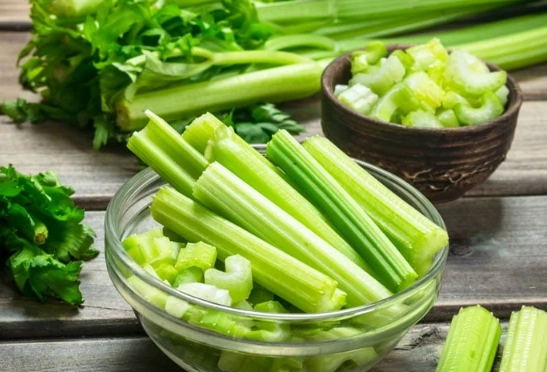
But for that role? It's a pretty solid candidate. It's low in calories and fat, which makes it a fantastic option for dogs on a weight management plan. Instead of giving another high-calorie training treat, a small piece of celery can satisfy the urge to chew and get a reward without packing on the pounds.
Hold On: The Not-So-Great Parts & Potential Risks
But is it all good news? Not quite. This is the part most quick articles gloss over, and it's why we need to have this conversation. Giving your dog celery without thinking about the risks is like giving a kid a whole apple without cutting it up—it's asking for trouble.
The Big One: Choking Hazard. This is, hands down, the number one concern. Celery is stringy. Those fibrous strings (called collenchyma bundles, if you want the science term) are tough and don't break down easily. If a dog gulps down a large piece, especially a round, coin-shaped slice, it can easily become lodged in the throat or esophagus. I've heard enough horror stories from vet tech friends to make me incredibly cautious. A choking dog is a veterinary emergency.
Then there's the pesticide issue. Celery often lands on the "Dirty Dozen" list published by the Environmental Working Group, meaning it can have higher levels of pesticide residue compared to other produce. While a one-time bite might not be a big deal, regularly feeding non-organic celery could expose your dog to low levels of these chemicals over time. Washing helps, but it doesn't remove all residues.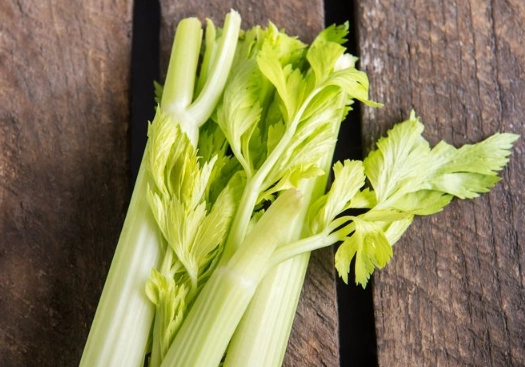
Digestive upset is another possibility. While the fiber is usually a pro, for some dogs—especially those with sensitive stomachs or those not used to veggies—a sudden introduction of celery can lead to gas, bloating, or even diarrhea. The key word is sudden. You have to go slow.
And we can't forget about sodium. Celery naturally contains sodium. It's not a huge amount (about 80 mg per 100g), but for dogs with specific health conditions like heart or kidney disease, where sodium intake needs to be strictly controlled, even this natural amount needs to be accounted for. Always, always talk to your vet before introducing new foods if your dog has a pre-existing condition.
Oh, and one more thing. The leaves. Are they safe? Generally, yes. But they can be more bitter and sometimes concentrate more of the natural compounds (psoralens) that can cause mild photosensitivity in very rare, excessive cases. It's unlikely, but it's why I usually trim them off—they're not as palatable anyway.
How to Actually Serve Celery to Your Dog (The Safe Way)
Okay, so you've weighed the pros and cons and decided to give it a try. How do you do it right? This isn't just about throwing a stalk on the floor. Proper prep is everything for safety.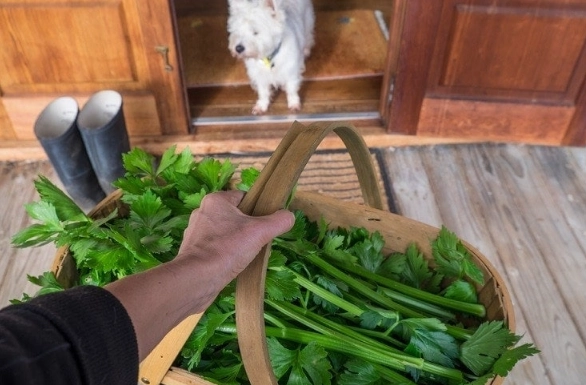
First, wash it thoroughly. Run it under cold water and give it a good scrub to remove dirt, bacteria, and some of those surface pesticides. Organic is a better choice if it's within your budget, simply for peace of mind regarding chemical residues.
Next, the most critical step: cut it up properly. Forget the cute little circular slices. Those are perfect choking-sized pieces. Instead, you want to dice it into small, bite-sized cubes, no bigger than half an inch. Even better, you can cut the stalk lengthwise into thin sticks, then chop those sticks into small pieces. The goal is to eliminate any round, plug-like shape and drastically shorten those long, tough fibers.
You can also try lightly steaming or boiling it. This softens the celery, making it easier to chew and digest, and significantly reduces the choking risk from the strings. Just let it cool completely before serving, and don't add any butter, salt, oils, or seasonings. Plain is the only way.
Now, about how much. This isn't a free-for-all. Portion control is key.
A good rule of thumb: Start with just one or two small, prepared pieces. See how your dog reacts over the next 24 hours. No digestive issues? Great. For ongoing treats, a few small pieces a couple of times a week is plenty. Remember the 10% rule—celery should be a tiny part of their overall diet.
I made the mistake of giving my Lab too much too fast once. Let's just say the resulting gas was... memorable. And not in a good way. Start small. Always.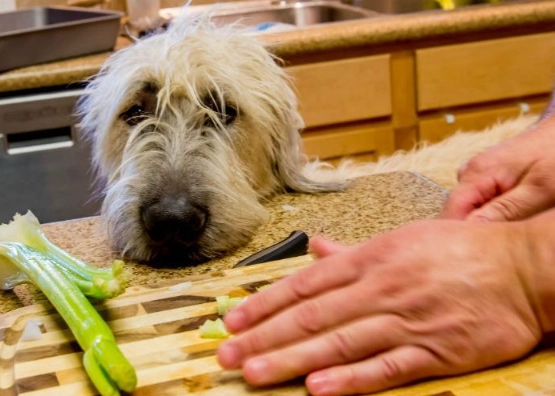
Celery vs. Other Common Veggie Treats
You might be wondering how celery stacks up against other vegetables you commonly hear are safe for dogs. Is it the best choice? A middle-of-the-road option? Let's compare.
I tend to think of dog-safe veggies in a few tiers:
Top Tier (Excellent, Low-Risk Choices):
These are my go-tos because they're consistently safe, easy to prepare, and most dogs seem to like them.
- Carrots: Another great crunchy option. Lower choking risk if cut appropriately, high in beta-carotene. Can be given raw or cooked.
- Green Beans: Soft, easy to digest, very low calorie. Plain, canned (no-salt-added) or fresh steamed are perfect.
- Cucumber: Extremely high water content, very low calorie. Just peel and seed them first to avoid potential bitterness and a slight choking risk from seeds.
Middle Tier (Good, But With Caveats – This is where celery lives):
These are healthy but require more careful preparation to mitigate specific risks.
- Celery: Nutritious and hydrating, but the stringy fiber creates a notable choking hazard that must be managed through meticulous cutting or cooking.
- Broccoli: Packed with nutrients, but the florets contain isothiocyanates, which can cause gastric irritation in large quantities. The stalks also pose a choking risk. Best in very small, occasional amounts.
- Zucchini: Generally safe and mild, but can sometimes cause a little gas. Easy to cook and mash.
Proceed with Extreme Caution or Avoid (Common Misconceptions):
These are often asked about, but they're not in the same category at all.
- Onions, Garlic, Chives: Absolutely toxic to dogs. They cause damage to red blood cells leading to anemia. No amount is safe.
- Mushrooms (wild): Avoid unless they are plain, store-bought button mushrooms. Wild mushrooms can be deadly, and it's not worth the risk.
- Raw Potatoes: Contain solanine, which is toxic. Cooked plain potato is okay in moderation, but raw is a no-go.
So, is celery good for dogs compared to these? It's a solid middle-tier option. It has unique benefits (like that high water content), but it demands more prep work than a carrot stick to be safe. It's not my first recommendation for a first-time veggie treat, but it's a fine addition to the rotation for an experienced veggie-eating dog.
Your Questions, Answered (The Stuff You're Actually Searching For)
I've gotten a ton of questions about this over the years, both online and from friends. Here are the most common ones that pop up, the ones that represent your hidden searches.
Can dogs eat celery leaves?
Yes, they can. The leaves are non-toxic. However, they tend to be more bitter, and some dogs will simply spit them out. As mentioned, they can have slightly higher concentrations of certain compounds. My approach? I usually remove them. They don't add much nutritional value that the stalk doesn't already have, and it's one less variable to worry about. If a leaf or two gets eaten, it's fine, but I don't actively feed them.
Can dogs eat cooked celery?
Absolutely. In fact, lightly steamed or boiled celery is often a safer option than raw. Cooking softens those problematic fibrous strings, reducing the choking risk and making it easier on older dogs' teeth or those with dental issues. Just ensure it's plain—no salt, butter, onion, or garlic from your soup pot.
Is celery good for dogs with bad breath?
This is a popular claim. The idea is that the crunchy action acts like a natural toothbrush. Let's temper expectations. While chewing on something fibrous like celery can help scrub away some plaque, it is NOT a substitute for proper dental care (brushing, dental chews like VOHC-approved products, or professional cleanings). It might provide a very minor, temporary mechanical cleaning effect, but don't expect it to cure chronic halitosis, which is usually a sign of underlying dental disease.
Can dogs have celery juice?
I wouldn't recommend it. When you juice celery, you strip away all the fiber, which is one of its main benefits for digestion. What you're left with is concentrated nutrients and sugars in liquid form. It's easy to overdo it on portion size, potentially leading to an upset stomach or a sugar spike. It also offers zero dental benefit. Stick to the whole food, prepared properly.
My dog ate a whole stalk of celery! What do I do?
Don't panic, but monitor closely. The main risk is intestinal blockage or choking, not toxicity. Watch for signs of distress over the next 24-48 hours: vomiting, gagging, loss of appetite, lethargy, straining to poop, or not passing stool. If you see any of these signs, call your vet immediately. If your dog is a large breed and seems perfectly fine, they'll likely pass it, but the strings could cause some irritation. In the future, keep the celery out of reach!
Are there any dogs that should NEVER have celery?
Yes. Dogs with a known history of gastrointestinal blockages or those who tend to inhale their food without chewing should probably skip it. The risk is just too high. Also, as noted, dogs with heart or kidney conditions requiring strict low-sodium diets should only have it with explicit vet approval. When in doubt, ask your veterinarian. They know your dog's health history best.
Putting It All Together: The Final Verdict
So, after all that, where do we land? Is celery good for dogs?
The answer is a qualified yes. Celery can be a healthy, low-calorie, hydrating occasional treat for most dogs. It offers some decent vitamins, minerals, and fiber. But—and this is the crucial takeaway—the benefits only outweigh the risks if you prepare it with extreme care.
The Golden Rules for Feeding Celery:
1. Always Wash. Get rid of surface contaminants.
2. Always Cut Correctly. Diced small or cut into thin sticks, never in round coins. Consider cooking to soften it.
3. Always Start Small. One or two pieces to test tolerance.
4. Always Supervise. Never leave your dog alone with any chew or treat, especially one with known risks.
5. Always Consult Your Vet First if your dog has any health issues.
It's not a necessary part of their diet. If the whole process seems like too much work, or your dog isn't interested, that's perfectly fine. There are other great vegetable options out there. But if your dog loves the crunch and you don't mind the prep, it can be a fun and healthy little snack.
Remember, the core of your dog's health is a high-quality commercial diet formulated to meet all their nutritional needs, regular exercise, and routine veterinary care. Treats like celery are just the sprinkles on top—meant to add a little joy and variety, not foundational nutrition.
For the most definitive, science-backed information on what is and isn't toxic to pets, I always cross-reference with the ASPCA Animal Poison Control Center's extensive poison control database. It's an invaluable resource for any pet owner.
Now, the next time you're snacking on celery and see those pleading eyes, you can make an informed choice. You'll know exactly how to prepare it safely, or you might decide to reach for a baby carrot instead. And that's the whole point—being a knowledgeable and careful pet parent.