Can Dogs Have Cheese? A Vet's Guide to Safe Feeding
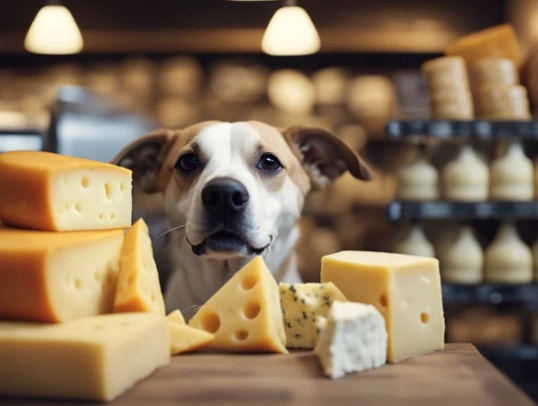
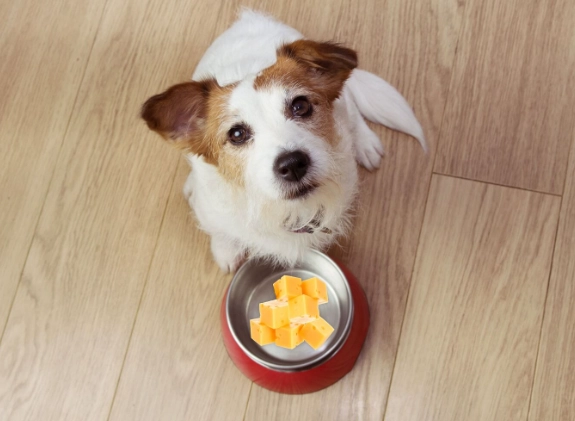
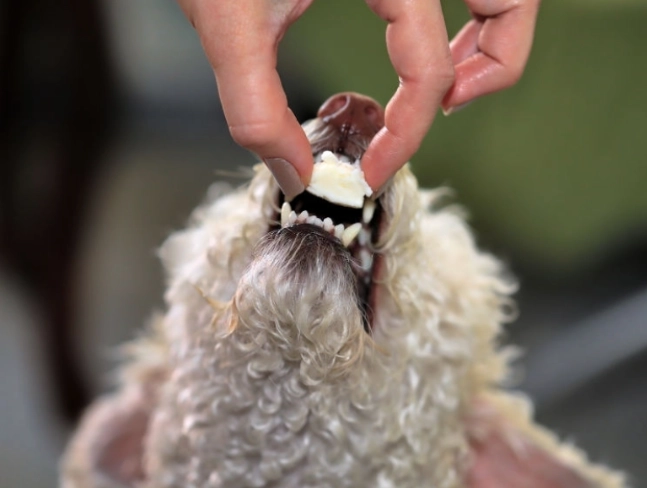
Let's cut to the chase. Can dogs have cheese? The short answer is yes, but it's not a simple yes. It's a "yes, if..." followed by a list of conditions longer than a Great Dane's legs. I've been a veterinary technician for over a decade, and the cheese question pops up more often than you'd think—usually right after someone's dog has snatched a fallen cheddar cube from the kitchen floor. The real question isn't just "can they," but "should they, and how, and what kind?" Most articles give you the basics: some cheese is okay, watch for lactose. But they miss the nuances—the stuff you only learn after seeing hundreds of dogs with upset stomachs or, worse, pancreatitis scares. We're going to dig into those details. Everyone jumps to lactose intolerance. It's a big one, but it's not the only player on the field. Think of cheese as a triple threat. Most dogs lose the enzyme to digest lactose after puppyhood. Feeding a lactose-heavy cheese (think fresh mozzarella, ricotta) can lead to gas, bloating, diarrhea, and general discomfort. It's not an allergy; it's an inability to digest the sugar. The severity varies wildly from dog to dog. I've seen Labs handle a slice of American cheese just fine, while a sensitive Sheltie gets an upset stomach from a tiny piece. This is the risk many owners overlook. Cheese is dense in fat. A sudden influx of rich, fatty food is a prime trigger for pancreatitis—a painful and potentially life-threatening inflammation of the pancreas. Breeds like Miniature Schnauzers are predisposed, but any dog can get it. The aftermath is miserable: vomiting, severe abdominal pain, hospitalization. It's not worth a handful of cheddar. This is where things get dangerous. We're not just talking about the cheese itself, but what's in it. A Common Mistake I See: Owners using cheese to hide medication every single day. This turns an occasional treat into a daily dose of fat and calories, quietly contributing to weight gain. There are better, lower-calorie pill pockets or tricks (like using a bit of canned pumpkin or low-fat cream cheese sparingly). Not all cheeses are created equal. The key factors are fat content, lactose content, and added ingredients. Here’s a breakdown you can actually use. See a pattern? The safer bets are low-fat, low-sodium, and simple. The dangerous ones are rich, flavored, or moldy. If you've decided to give it a try, here's the protocol. Don't just toss them a chunk. We're talking a piece smaller than a pea for a small dog, a pea-sized bit for a medium dog. This isn't a meal; it's a taste test to see how their gut reacts. Cheese should never exceed 10% of your dog's daily calorie intake. For most dogs, that translates to a few small cubes per week, not per day. A rough guide: About one small cube (dice-sized) per 10 lbs of body weight, once or twice a week at most. For a 50lb dog, that's maybe 5 small cubes total for the week, not in one sitting. For a 10lb Chihuahua? A couple of tiny crumbles is plenty. Use cheese as a high-value training reward for difficult commands, not for everyday "good boys." A trick I learned from a veterinary nutritionist is to freeze small cubes of low-fat mozzarella. They last longer, and the dog works for it as it melts. Always cut calories from their main meal if you're adding a cheese treat. This prevents weight creep. Some dogs should just steer clear of the dairy aisle altogether. Dogs with Pancreatitis or a History of It: This is non-negotiable. The high fat content is a direct trigger. Find other treats. Overweight or Obese Dogs: Those extra calories add up fast. If you must, use the tiniest amount of the lowest-fat option (like a dab of plain cottage cheese) and strictly deduct it from their meal. Dogs with Dairy Allergies or Severe Intolerance: Some dogs are genuinely allergic to dairy proteins. Signs include itchy skin, ear infections, or chronic digestive issues. If you suspect this, skip cheese entirely and talk to your vet. Puppies: Their digestive systems are still developing. It's better to stick with treats formulated for puppies. If you want to use something for training, use their regular kibble. My Personal Rule of Thumb: If I wouldn't feel good about eating the entire block of that cheese myself (looking at you, processed cheese food), I definitely wouldn't give it to my dog. Stick to simple, recognizable ingredients. So, can dogs have cheese? They can, but it's a privilege, not a right. It requires you to be a label-reader, a portion-controller, and an observant pet parent. When in doubt, less is always more. There are countless other healthy, dog-safe treats out there. But if sharing a tiny crumble of cheddar during training makes your bond stronger, just do it smartly. Your dog's pancreas will thank you.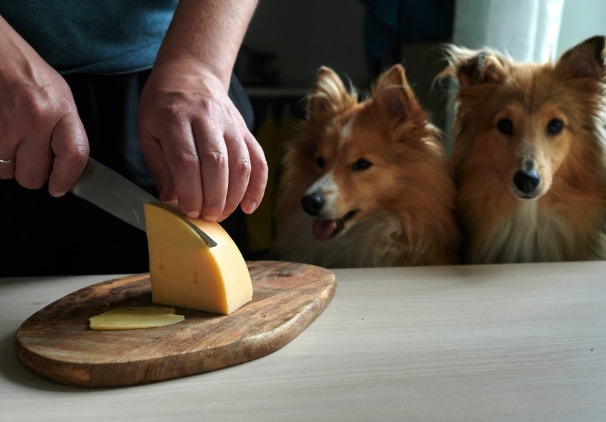
What's Inside This Guide?
What Are the Risks of Feeding Cheese to Dogs?
1. Lactose Intolerance: The Usual Suspect
2. High Fat Content: The Silent Danger
3. Toxic Additives & High Sodium
The Cheese Safety Spectrum: What's Okay and What's Not
Generally Safer Choices (Feed Sparingly)
Risky & Avoid (Just Don't)
Mozzarella (Part-Skim): Lower in fat and salt than many cheeses. A decent option in tiny amounts.
Blue Cheese, Gorgonzola, Roquefort: The mold toxin risk is real, especially for small dogs.
Cottage Cheese (Plain, Low/No-Sodium): Low in fat, high in protein. Often recommended for dogs with upset stomachs. Get plain—no fruit, chives, or flavorings.
Any Cheese with Garlic, Onions, Chives, or Herbs: Brie with herbs, goat cheese with garlic—it's all off-limits.
Swiss Cheese: Naturally lower in lactose. Still, it's fairly high in fat, so portion control is key.
Highly Processed Cheeses (American, Cheese Slices, Spray Cheese): Loaded with salt, artificial flavors, and preservatives. Low nutritional value, high sodium risk.
Hard Aged Cheeses (like Cheddar or Parmesan): In very small amounts. The aging process reduces lactose. But they are high in fat and salt. A tiny sprinkle of grated parmesan is often okay.
Cream Cheese, Mascarpone, Brie: Extremely high in fat. A major pancreatitis trigger. The soft, spreadable texture also makes it easy to overfeed.

How to Safely Introduce Cheese to Your Dog
Step 1: Start with a Micro-Portion
Step 2: Calculate a Safe Serving Size
Step 3: Integrate It Thoughtfully
Special Cases: When Cheese is a Hard "No"
Your Cheese & Dog Questions Answered