Sugar Gliders as Pets: Complete Care Guide and Owner Insights
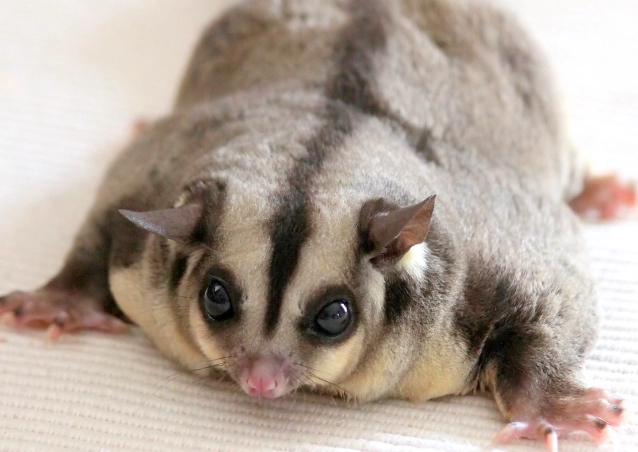
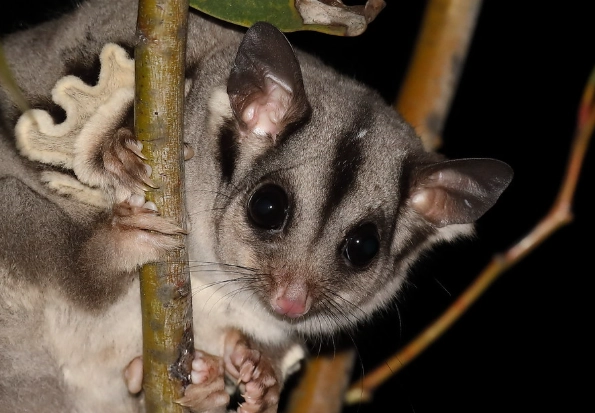
So, you're curious about sugar gliders as pets. Let's cut to the chase: these little marsupials are adorable, but they're not your average hamster. I've had sugar gliders for over a decade, and I've seen everything from joyful bonding moments to costly vet emergencies. This guide dives deep into what it really takes to care for a petaurus breviceps—no fluff, just practical advice you won't find in most pet store pamphlets. Sugar gliders, scientifically known as petaurus breviceps, are small, nocturnal marsupials from Australia and Indonesia. They're called "gliders" because of the skin membrane that lets them soar between trees. As pets, they've gained popularity for their big eyes and social nature, but here's the thing: they're exotic pets with specific needs. Why do people get them? Some love the novelty, others enjoy their playful antics at night. I got my first pair because I wanted a pet that could bond closely—and boy, do they bond. But it's not all cuddles. They live 12-15 years in captivity, so it's a long-term commitment. If you're looking for a low-maintenance pet, this isn't it. But if you're ready for a unique companion, read on. Getting the housing right is crucial. I've visited homes where gliders were stuck in tiny cages, and it's a sad sight. They need space to glide and climb. Aim for a tall cage, at least 24 inches wide, 24 inches deep, and 36 inches high. Bar spacing should be no more than 0.5 inches to prevent escapes. I use a powder-coated metal cage—easy to clean and durable. Avoid plastic or wooden cages; gliders chew through them quickly. Inside, you'll need: Place the cage in a quiet, draft-free area. Temperature should be between 70-90°F. Too cold, and they can go into torpor; too hot, and they overheat. Pro tip: I once used a cheap hamster wheel, and my glider's tail got caught. Invest in a solid-surface wheel designed for gliders—it's worth the extra $30. Diet is where many owners mess up. Sugar gliders are omnivores, not just fruit-eaters. A poor diet leads to obesity or calcium deficiency. Here's a sample weekly diet plan I follow: Fresh water should always be available. Avoid foods high in phosphorus, like nuts and seeds, as they disrupt calcium absorption. I learned this the hard way when one of my gliders developed hind leg paralysis—a $500 vet bill later, I switched to a balanced diet. Commercial diets like HPW (High Protein Wombaroo) are popular, but I mix it with fresh foods for variety. Check resources from the Association of Exotic Mammal Veterinarians for guidelines. This is the big one. Sugar gliders are colony animals; they get depressed if alone. Never keep a single glider—always have at least two. I made that mistake early on, and my solo glider became lethargic and stopped eating. Bonding takes time. Start by talking softly near the cage. Offer treats from your hand. I spent evenings just sitting with them, letting them climb on me. It took months, but now they crawl into my pocket willingly. Common bonding mistakes: If you work long hours, consider getting a pair so they keep each other company. Loneliness is a real issue—I've seen gliders self-mutilate from stress. Sugar gliders hide illness well, so regular check-ups are key. Find an exotic vet before you get one; not all vets treat gliders. Top health concerns: Vet visits cost $100-$300 per year per glider. Emergencies can hit $1,000+. I keep a separate fund for this. A study from the Journal of Exotic Pet Medicine notes that calcium issues are prevalent in pet gliders due to poor owner education. Let's talk money. Initial setup isn't cheap, and ongoing costs add up. Here's a realistic breakdown based on my experience: Total first-year cost: around $1,500-$2,000. After that, $800-$1,200 yearly. Compare that to a cat, which might cost half that. If budget is tight, reconsider. Some owners skip vet visits to save money, but that's risky. Gliders are delicate. I've had three gliders over the years. My first, Gizmo, taught me about diet mistakes. My current pair, Luna and Sky, are thriving because I learned from errors. One thing nobody tells you: gliders are noisy at night. They crabbark—a sound like a tiny chainsaw. It kept me awake for weeks until I got used to it. Also, they're messy. Food gets flung everywhere, and cage cleaning is a twice-weekly chore. But the rewards? Unmatched. Watching them glide to me when I call, or seeing them play, makes it worth it. Just know what you're signing up for. If you're still interested, research local laws. Some places require permits for exotic pets. In the end, sugar gliders as pets are a big responsibility. They're fascinating creatures, but they demand commitment. Do your homework, talk to experienced owners, and be honest about your lifestyle. If you can meet their needs, they'll bring joy for years.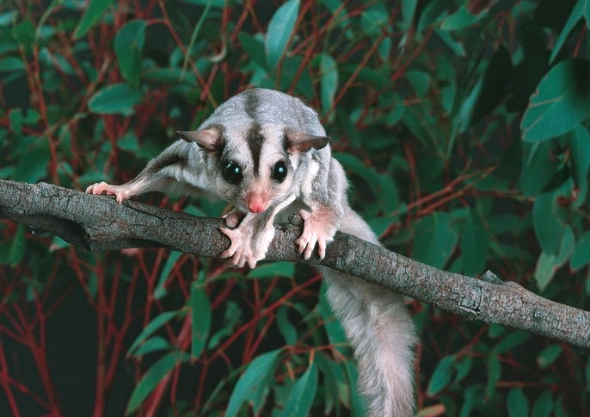
What You'll Find Inside
What Are Sugar Gliders and Why Keep Them as Pets?
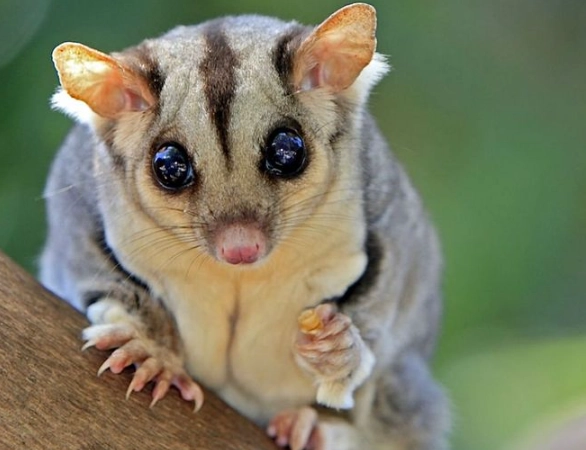
Essential Housing and Environment Setup
Cage Size and Type
Accessories and Enrichment
Diet and Nutrition: Beyond Fruits and Nuts
Day
Protein Source
Fruits/Veggies
Supplements
Monday
Mealworms (10-12)
Apple slices, kale
Calcium powder dusted
Tuesday
Cooked chicken (tiny piece)
Papaya, sweet potato
Multivitamin drop
Wednesday
Egg (scrambled, no salt)
Blueberries, carrot
Calcium powder
Thursday
Mealworms
Mango, peas
None
Friday
Insectivore diet (commercial)
Banana, broccoli
Multivitamin
Weekend
Varied protein
Mix of leftovers
As needed
Social Needs and Bonding: The Make-or-Break Factor
Common Health Issues and Vet Care
Cost Breakdown: Is a Sugar Glider Affordable?
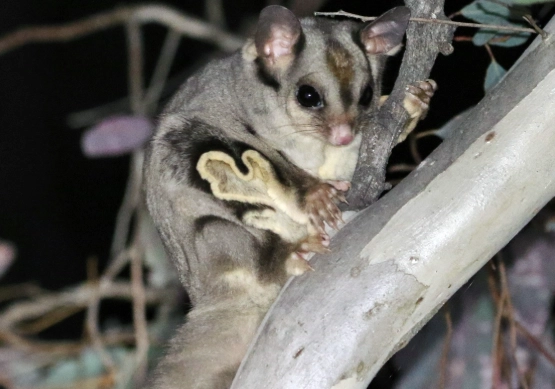
Personal Lessons from 10 Years of Ownership
Frequently Asked Questions