Chinchilla Care Guide: The Complete Owner's Manual
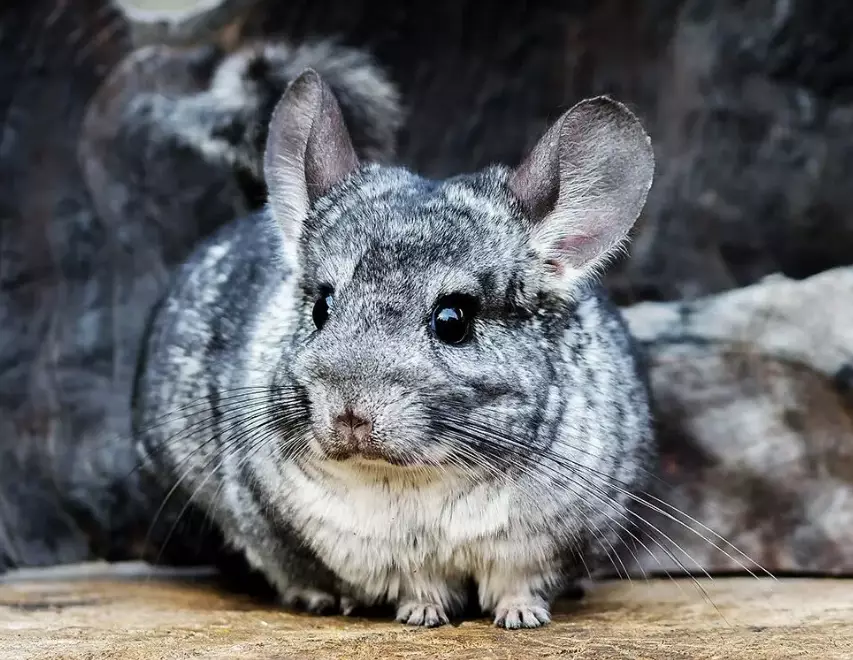
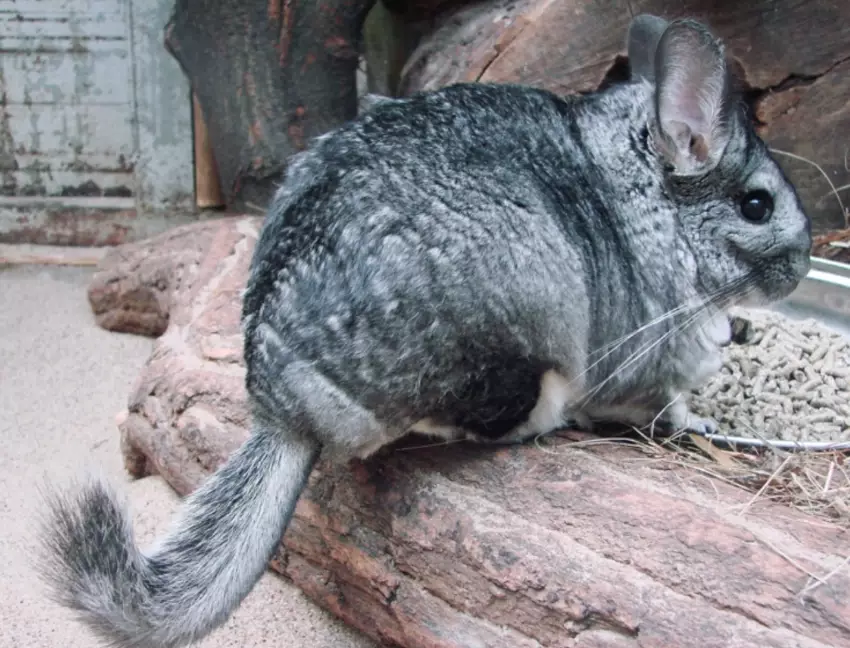
You've seen them in pet stores or online—those impossibly soft, wide-eyed creatures that look like a cross between a rabbit and a squirrel. Chinchillas. They're adorable, no doubt. But bringing one home is a decision that shouldn't be made on a whim. I've been caring for these fascinating animals for over a decade, and I've seen the same mistakes happen again and again. This isn't just a basic care sheet. This is the manual I wish I had when I started, filled with the gritty details and hard-won lessons that actually matter. Let's be clear: a chinchilla is not a starter pet. It's a 15-20 year commitment to a sensitive, intelligent, and demanding exotic animal. Get it right, and you'll have a delightful, long-lived companion. Get it wrong, and the consequences can be swift and severe. Native to the harsh, rocky Andes mountains, the chinchilla is a rodent built for survival. That dense, velvety fur? It's the densest of any land mammal—over 50 hairs growing from a single follicle. In the wild, it protects them from the cold. In your home, it becomes their greatest vulnerability to heat. They're crepuscular, meaning most active at dawn and dusk. Don't expect a cuddly lap pet that's awake all day. Their peak playtime will often align with your evening relaxation or early morning. Here's the first non-consensus point everyone misses: that fur isn't just for show. It's a complex system. They can't get wet. Water causes the fur to clump and can lead to fungal infections. Instead, they bathe in special chinchilla dust (volcanic ash or pumice) that absorbs oils and dirt. If you skip this dust bath 2-3 times a week, you're setting them up for skin problems. This is where most first-time setups fail spectacularly. A chinchilla's cage isn't just a container; it's their entire world. Think of it as designing a mini apartment for an Olympic-level jumper with anxiety. The absolute minimum cage size is 24" wide x 24" deep x 36" high. I'm talking bare minimum for a single chinchilla. Honestly, go bigger. Multi-level ferret or critter nation cages are the gold standard. The bar spacing must be 1/2 inch or less. Anything wider is an escape route waiting to happen. Inside, you need solid floors or fully covered wire floors. Bare wire mesh will cause painful foot sores (pododermatitis). Use fleece liners (washed in fragrance-free detergent) or aspen/pine shavings. Avoid cedar shavings—the aromatic oils are toxic to their respiratory system. Furnishings are critical. They need multiple hideouts (wooden houses, PVC tubes) to feel secure. They need ledges and shelves at various heights for jumping. Chinchillas are vertical creatures. A cage with no verticality is a prison. This is the silent killer. The safe temperature range for a chinchilla is 60-75°F (15-24°C). At 80°F (27°C), they are at high risk of heatstroke, which is often fatal. I lost a chinchilla early in my learning to a power outage on a summer day. It was devastating and preventable. You must have a plan. This means air conditioning in the summer. It means keeping their cage away from direct sunlight and heat vents. A room thermometer right by the cage is mandatory, not optional. Their digestive system is a delicate fermentation vat designed for rough, dry, high-fiber mountain grasses. Mess with that formula, and you get gastrointestinal stasis—a slowdown or shutdown of the gut that can kill in 24 hours. The biggest dietary mistake I see? Owners thinking "a little bit of apple or carrot is healthy." It's not. Fresh produce introduces moisture into a system that runs on dry matter, leading to painful bloating and deadly bacteria overgrowth. Stick to dry, fibrous foods only. Chinchillas hide illness instinctively—a prey animal trait. By the time they look sick, they are often critically ill. You need to be a detective. Chinchillas are not passive ornaments. They have personalities. Some are bold, some are shy. They communicate with a range of sounds: soft chirps (contentment), loud warning barks (fear/alarm), and teeth grinding (can mean pain or contentment—context matters). They need daily, supervised out-of-cage playtime in a fully chinchilla-proofed room. Electrical cords are chew magnets. Baseboards, furniture, drywall—nothing is safe. Use a playpen or meticulously secure a room. Now, the friend question. In the wild, they live in colonies. A solo chinchilla can be perfectly happy with a devoted human who spends hours daily interacting. But most of us have jobs and lives. A same-sex pair (introduced young or very carefully as adults) often provides better social fulfillment. It prevents loneliness. However, introducing adults is a delicate, stressful process that can fail. Do your research on the "split cage" method. Bonding with a chinchilla takes patience. It's not about picking them up and cuddling. It's about sitting quietly, letting them come to you, offering a hand for sniffing, and respecting their boundaries. The trust you earn this way is far more rewarding.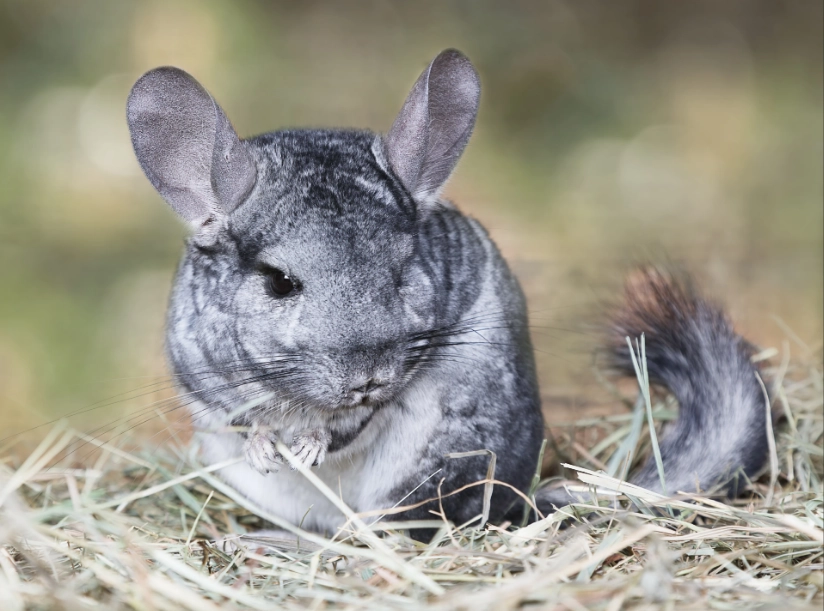
Your Quick Guide to Chinchilla Ownership
What Exactly is a Chinchilla?
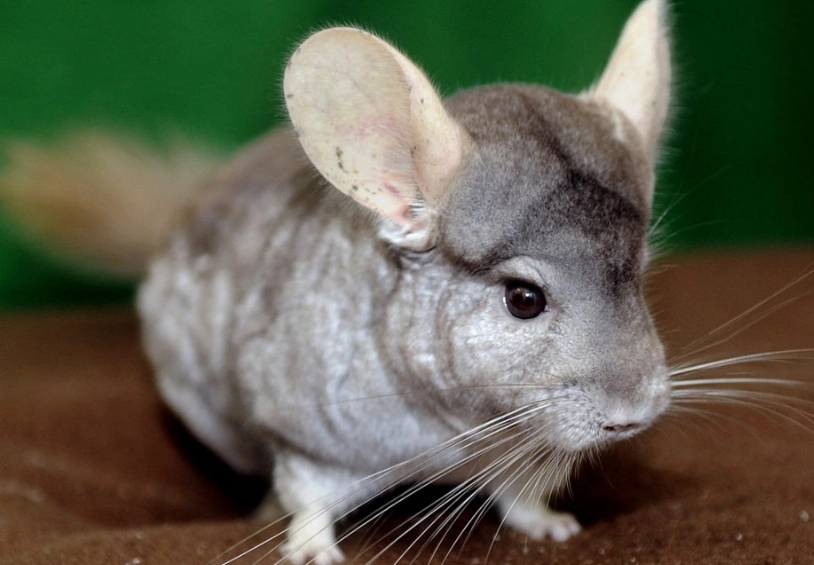
Lifespan: 15-20 years (a longer commitment than most dogs).
Adult Size: 9-15 inches long, plus a 3-6 inch tail. Weight: 1-1.5 lbs.
Origin: Andes Mountains of South America.
Activity Pattern: Crepuscular (dawn/dusk).
Unique Trait: Fur so dense it's resistant to parasites like fleas.The Non-Negotiable Chinchilla Habitat
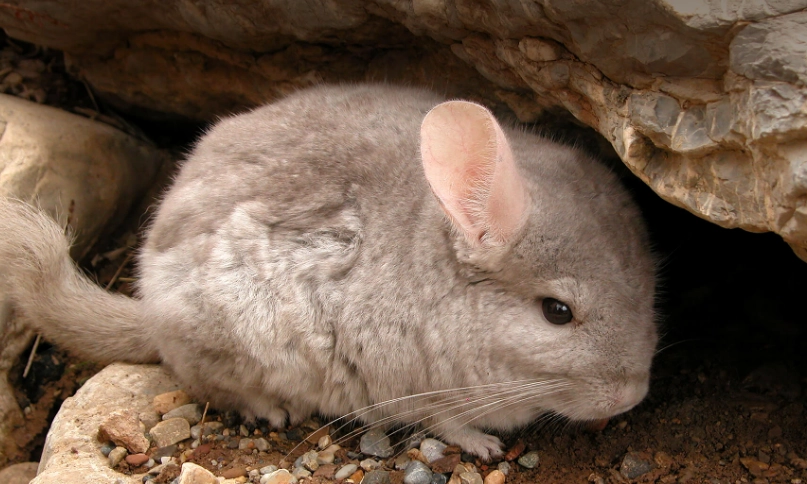
Cage: Size, Safety, and Setup
The Temperature Trap
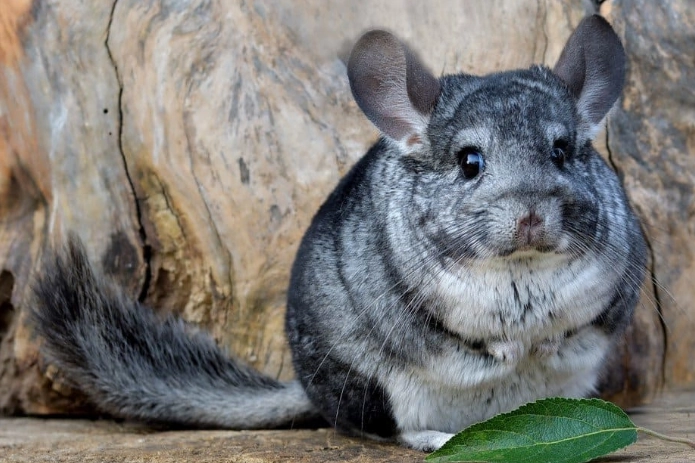
How to Feed Your Chinchilla Right
Food Type
What to Offer
What to AVOID
Frequency
Hay
Unlimited Timothy Hay or Orchard Grass. It should make up 80-90% of their diet.
Alfalfa hay as a staple (too rich in calcium/protein).
Fresh supply daily, always available.
Pellets
1-2 tablespoons of plain, timothy-based chinchilla pellets (e.g., Oxbow Essentials).
Colorful mixes with seeds, nuts, dried fruit. Alfalfa-based pellets for adults.
Once daily, measured.
Water
Fresh, clean water in a glass or metal water bottle. Change daily.
Bowls (they fill with bedding), untreated tap water if it's hard.
Constant access.
Treats
One plain cheerio, a small piece of dried rose hip, a pinch of rolled oats.
Nuts, seeds, fresh fruit, vegetables, human snacks, yogurt drops.
Extremely sparingly, 1-2 times per week max.
Health Watch: Spotting Trouble Early
Behavior and Social Life
 Owning a chinchilla is a marathon, not a sprint. It's about creating a stable, cool, safe, and enriching environment for a creature with very specific needs. It's about watching, learning, and adapting. The reward is a unique relationship with one of nature's most remarkable and softest animals for potentially two decades. If you're ready for that level of commitment, you're in for an incredible journey. Just start with the right cage, the right food, and the right vet.