White Dog Breeds: A Complete Guide to Care, Types & Training
There's something undeniably striking about a white dog. That luminous coat can look like freshly fallen snow, a cloud, or spun sugar. It commands attention in the park and melts hearts on Instagram. But is that sparkling coat all sunshine and rainbows? Having lived with a brilliant white Samoyed for over a decade, I can tell you it's a commitment. A beautiful, rewarding, but often misunderstood commitment.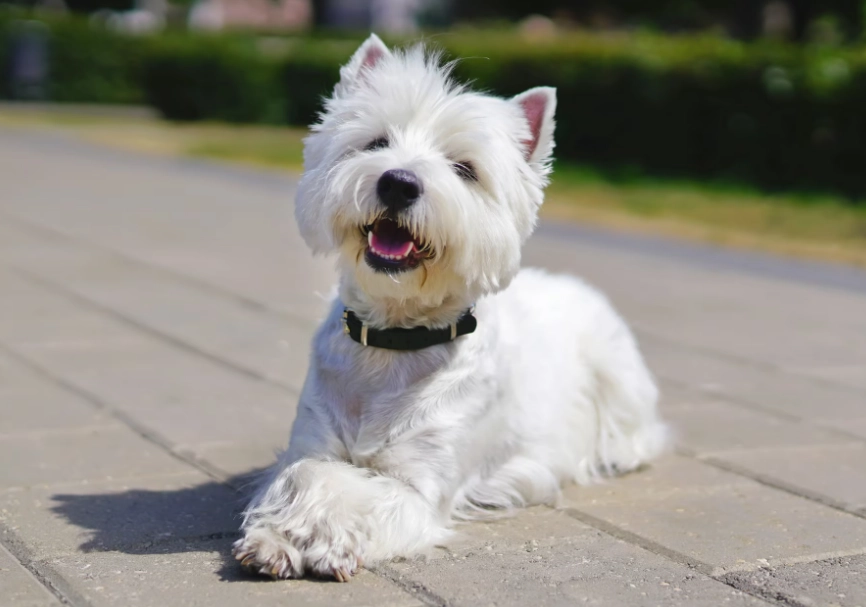
This isn't just a list of fluffy white dogs. It's the guide I wish I had before bringing home my own snowy shadow. We'll move past the Pinterest-perfect images and talk about the real, sometimes messy, life with a white canine companion—covering the best breeds, the gritty details of upkeep, and the truths behind common myths.
What's Inside This Guide
The Truth About White Dog Breeds: Beyond the Fluff
Let's clear the air. White fur doesn't mean a dog is somehow more delicate, less intelligent, or automatically hypoallergenic. That's marketing, not biology. The white coat is simply a result of genetics—a lack of pigment (eumelanin) in the hair shaft. It can appear in virtually any breed mix.
The real conversation should be about maintenance and health considerations. Dirt shows. Grass stains are the enemy. A pink nose under that white fur needs sun protection. And yes, some predominantly white breeds have a higher statistical chance of congenital deafness (linked to the piebald or merle genes), a fact any responsible breeder will openly discuss and test for.
But here's the non-consensus part everyone misses: that high-visibility coat is a training advantage. In low light on walks, you can always see them. In a dog park, picking yours out of the crowd is instant. It's a small thing, but for safety and peace of mind, it matters.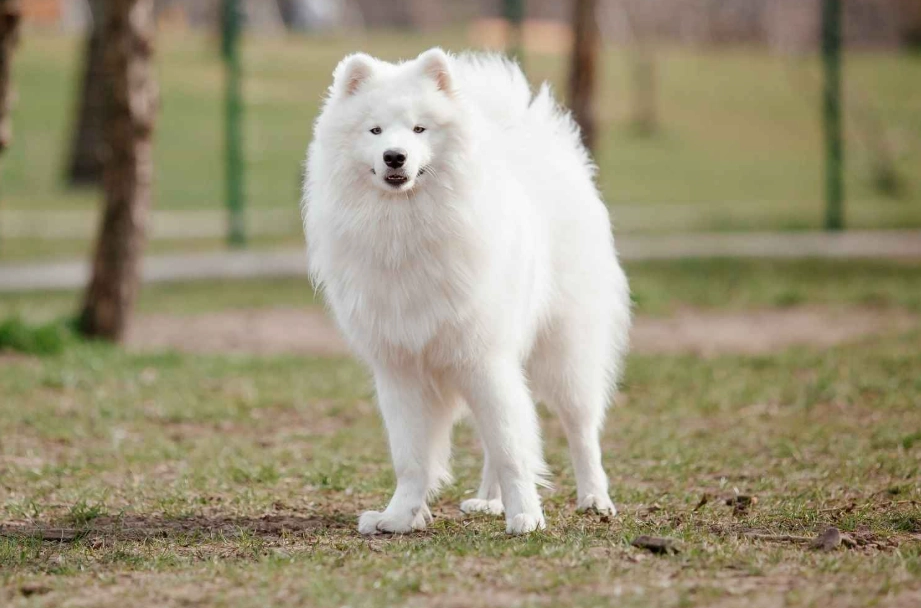
Top 10 Popular White Dog Breeds: A Detailed Look
Not all white dogs are the same. A tiny Maltese and a powerful Pyrenees live in completely different worlds. This table breaks down key specifics—look beyond the color to find a personality and lifestyle fit.
| Breed | Size & Type | Key Personality Traits | Grooming Frequency | Best For |
|---|---|---|---|---|
| Samoyed | Large / Spitz | Friendly, stubborn, vocal, "smiling" face | Daily brushing; heavy seasonal shed | Active families, cold climates, patient owners |
| West Highland White Terrier | Small / Terrier | Confident, feisty, loyal, big personality | Professional trim every 6-8 weeks | City dwellers, those wanting a less "yappy" small dog |
| Bichon Frise | Small / Companion | Cheerful, playful, affectionate, hypoallergenic coat | Professional groom monthly; daily home brushing | Apartments, families with allergies, first-time owners |
| Great Pyrenees | Giant / Livestock Guardian | Calm, independent, protective, nocturnal | Weekly brushing; massive seasonal shed | Rural homes with space, experienced owners |
| American Eskimo Dog | Small-Medium / Spitz | Intelligent, agile, wary of strangers, barky | 2-3 times per week brushing | Active singles/couples, obedience/sport homes |
| Maltese | Toy / Companion | Gentle, fearless, affectionate, long silky coat | Daily brushing to prevent mats | Lap dog lovers, low-shedding seekers, indoor lifestyles |
| White Swiss Shepherd | Large / Herding | Intelligent, trainable, loyal, family-oriented | 2-3 times per week brushing | Active families, those wanting a trainable larger dog |
| Coton de Tulear | Small / Companion | Charming, clownish, adaptable, very social | Daily brushing; cotton-like coat | Social households, those wanting a happy-go-lucky pup |
| Japanese Spitz | Small-Medium / Spitz | Bold, playful, loyal to family, good with kids | 2-3 times per week brushing | Families, those who like the Samoyed look in a smaller package |
| Pyrenean Shepherd | Medium / Herding | Energetic, intense, intelligent, work-focused | Moderate; coat can be long or rough | Experienced, active owners with a job/sport for the dog |
See the range? A Bichon and a Pyrenees share a color palette but little else. The Samoyed's smile hides a stubborn streak that can challenge novice trainers. The Westie's confidence is delightful but requires consistent leadership. I learned the hard way with my Samoyed that "friendly" doesn't mean "easily obedient." Their independent spitz mind means they ask "why?" before doing what you say.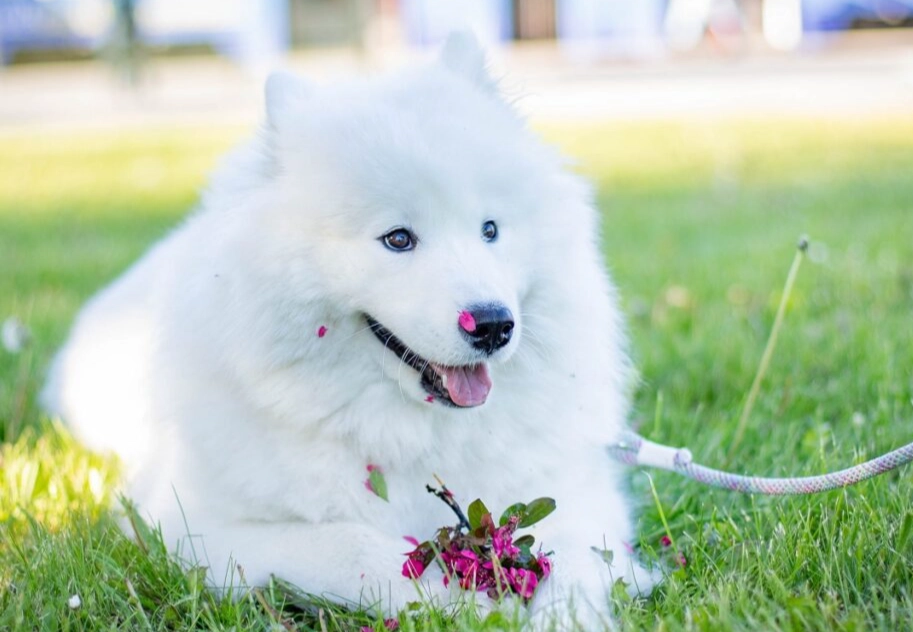
Living with a White Dog: Practical Care and Training
This is where the rubber meets the road. Or rather, where the white fur meets the muddy park.
The Grooming Regimen: It's Non-Negotiable
Forget bathing weekly. That's a fast track to dry, itchy skin. The core of white dog care is prevention and spot cleaning.
- Brushing is Your Best Friend: Not just for detangling, but to remove dirt and debris before it gets ground in. For long-haired breeds, a slicker brush and an undercoat rake are essentials. Do this outside if you can.
- The Post-Walk Wipe Down: Keep a basket by the door with old towels, unscented baby wipes, or a damp microfiber cloth. Wipe paws, legs, and underside after every outing. This single habit cuts down on baths by 70%.
- Bathing Protocol: Use a purple or blue-tinted whitening shampoo to neutralize yellowing. Human shampoo is a no-go—it's the wrong pH. Rinse, rinse, and rinse again. Any leftover shampoo attracts dirt. Follow with a conditioner to keep the coat manageable.
- Tackling Tear Stains & Red Paws: This is often diet-related. Porphyrins in saliva and tears cause the reddish-brown stain. Talk to your vet. Sometimes a switch to a higher-quality food, filtered water, or adding a probiotic can help. For paws stained from licking, address the licking cause (allergies? anxiety?) first.

Training and Socialization: Color Doesn't Matter Here
Your white Poodle isn't smarter than a black one. Train the dog in front of you. However, I'll give one breed-specific tip: many white spitz-type breeds (Sammies, Eskies) are alert barkers. Socializing them early to normal neighborhood sights and sounds is critical to prevent them from becoming tiny, fluffy alarm systems.
Positive reinforcement is king. These dogs often have soft temperaments alongside their smarts. Harsh methods backfire. Find what motivates them—food, toys, praise—and use it.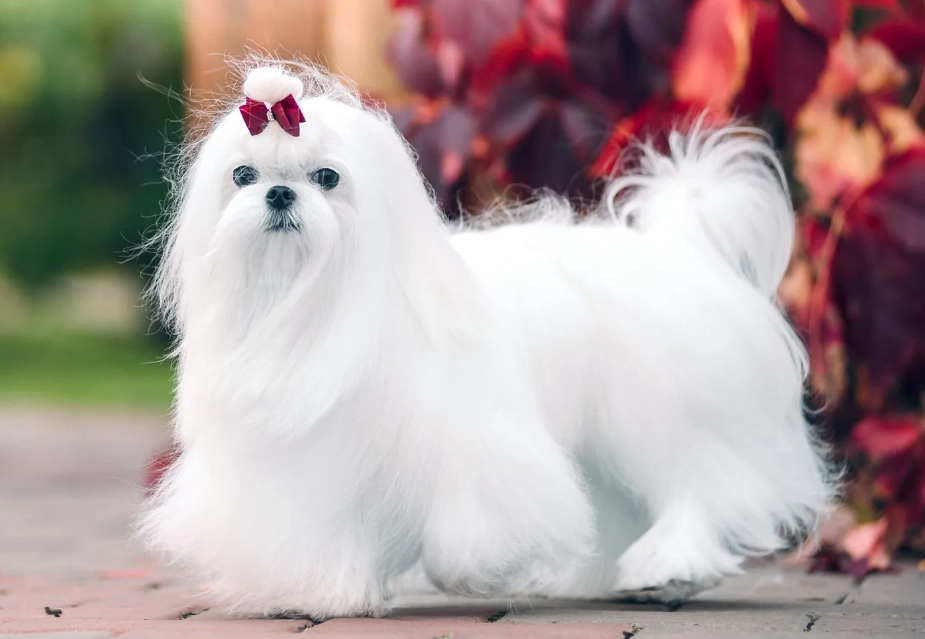
Health Watch Points
Be sun-smart. Dogs with pink skin under white fur or pink noses (like many Samoyeds have in winter, their "snow nose") can get sunburned. Use a pet-safe sunscreen on ears, nose, and any thin-haired areas for long summer outings.
As mentioned, discuss deafness screening with breeders. For double merle dogs (a product of irresponsible breeding), deafness and eye issues are a severe risk. Always see health clearances.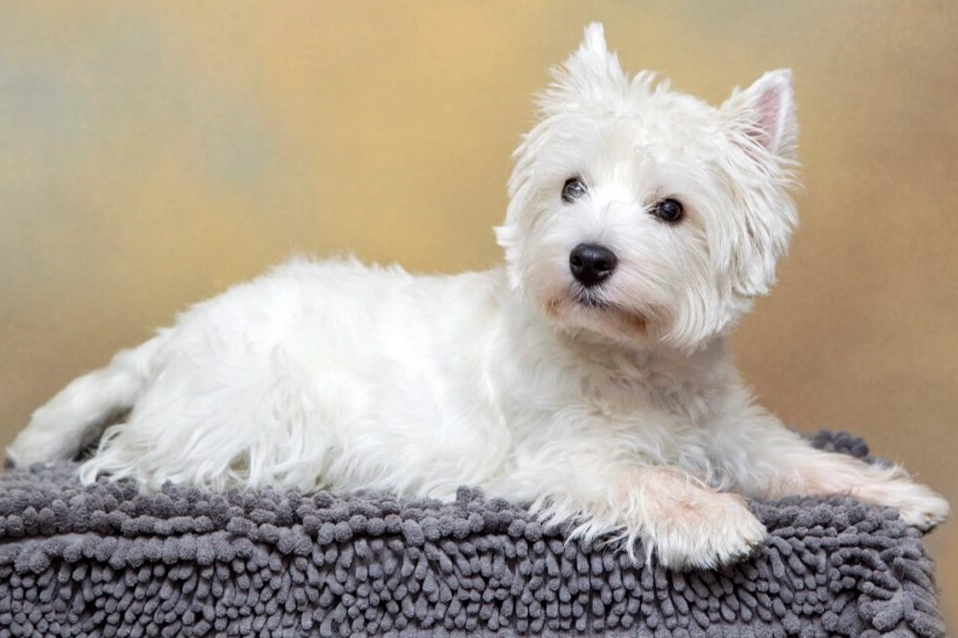
Choosing Your White Canine Companion
So, is a white dog right for you? Ask yourself these questions honestly:
- Lifestyle: Are you active enough for a Samoyed or Pyrenean Shepherd? Or is a couch-comfy Maltese more your speed?
- Grooming Budget & Time: Can you afford professional grooming every 4-8 weeks for breeds that need clipping? Do you have 10-20 minutes daily for brushing?
- Home Environment: Do you have a muddy yard or live near clean parks and sidewalks? White dogs and constant mud are a stressful combo.
- Realistic Expectations: Are you okay with a dog that might look "lived-in" between groomings? Can you embrace the occasional grass stain as a badge of a fun day?
If you've answered yes to the realities, then you're ready for the joy. There's nothing like the loyalty of a white shepherd, the hilarious antics of a Bichon, or the majestic presence of a Pyrenees. That bright coat becomes a canvas for your adventures together.
Do your homework. Meet the breed. Talk to reputable breeders or rescue groups. The color might draw you in, but the dog's heart and needs are what will make it work.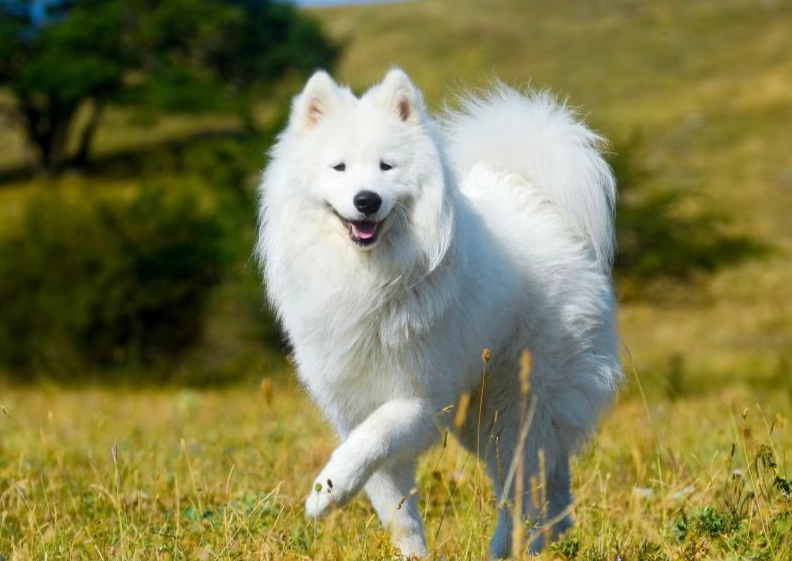
Your White Dog Questions, Answered
How often should I bathe my white dog to keep it clean without damaging its coat?
A common mistake is over-bathing. For most white breeds, a bath every 3-4 weeks is sufficient. Over-washing strips natural oils, leading to dry skin and a dull, brittle coat. Use a high-quality, whitening or brightening shampoo formulated for dogs. For spot cleaning between baths, a damp microfiber cloth or a vet-approved dry shampoo works wonders on paws and light stains.
Are white dogs more prone to deafness or skin cancer?
There's a genetic link between a predominantly white coat, blue eyes, and congenital deafness, particularly in breeds like Dalmatians, Bull Terriers, and some double merle dogs. Responsible breeders screen for this. Regarding skin cancer, the lack of pigment makes pink skin and noses more susceptible to sun damage. It's crucial to limit midday sun exposure and use pet-safe sunscreen on vulnerable areas like the nose, ear tips, and belly.
What's the best way to remove tear stains or reddish-brown fur on my white dog?
Tear stains are often caused by porphyrins in tears and saliva. The fix is twofold: address the root cause and manage the stain. First, consult your vet to rule out eye infections or blocked tear ducts. For management, wipe the area daily with a soft, damp cloth. For existing stains, a paste of baking soda and water or a commercial tear stain remover can help. Diet plays a role; sometimes switching to a high-quality food with no artificial additives or using filtered water reduces staining.
Is it true that white dogs are harder to train?
No, coat color has no bearing on intelligence or trainability. This is a persistent myth. A dog's trainability depends on its breed, individual temperament, and the training methods used. Many white breeds, like Poodles and Samoyeds, are exceptionally intelligent and eager to please. The key is consistent, positive reinforcement training tailored to your dog's energy level and drives (e.g., food, play, praise).
Related Articles