What Turtles Can Eat: Safe Foods, Toxic Foods & Balanced Diet
Let's cut to the chase. The single biggest factor in your turtle's health, shell development, and lifespan is what you put in its bowl. Get the diet wrong, and you're setting up for vet bills, shell deformities, and a shortened life. I've seen it too many times. After keeping various species for over a decade and making my fair share of mistakes (my first red-eared slider, Shelly, had a slightly pyramided shell before I corrected course), I've learned that a proper turtle diet isn't about feeding what they want, but what they need.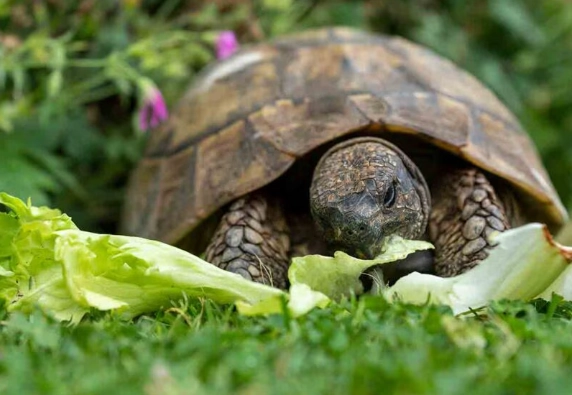
Most lists online just give you a generic "safe foods" roster. That's a start, but it misses the nuance—the ratios, the preparation, the species-specific quirks, and the common pitfalls that seem small but have big consequences.
Your Quick Guide to Turtle Nutrition
The Core Principles Most Guides Miss
Before we list foods, understand these two pillars. Ignoring them is where most new owners stumble.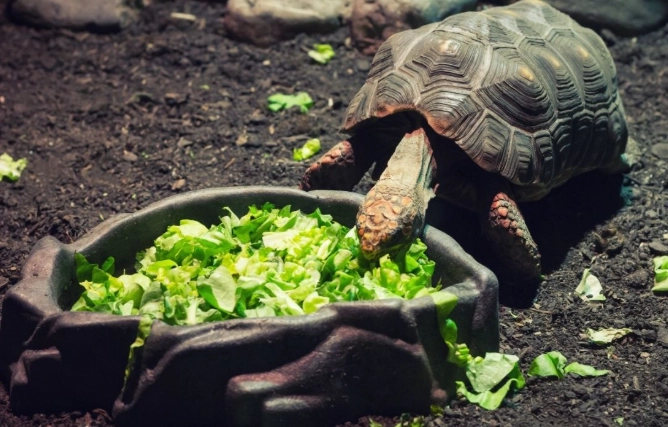
1. It's All About the Species (And Age)
Asking "what can turtles eat?" is like asking "what can mammals eat?" It's too broad. A common red-eared slider is an omnivore that shifts from mostly protein as a juvenile to mostly plants as an adult. A Russian tortoise is a strict herbivore. A softshell turtle is a fierce carnivore. You must identify your turtle species first. Resources like the United States Association of Reptile Keepers or specific care sheets from reputable breeders are your best bet.
The age shift is critical. Feeding a juvenile diet to an adult is the #1 cause of obesity I see.
2. Variety is Non-Negotiable, Not Optional
Feeding only commercial pellets or only romaine lettuce is a nutritional dead end. Think of their diet as a portfolio. You need leafy greens, other vegetables, a protein source, and the occasional fruit or supplement. This variety covers vitamins, minerals, and fiber gaps that any single food lacks.
The Ultimate Safe Foods List (With Notes)
Here’s a practical breakdown. This list focuses on common omnivorous aquatic turtles (like sliders, cooters, maps) and herbivorous land tortoises, as they're most popular.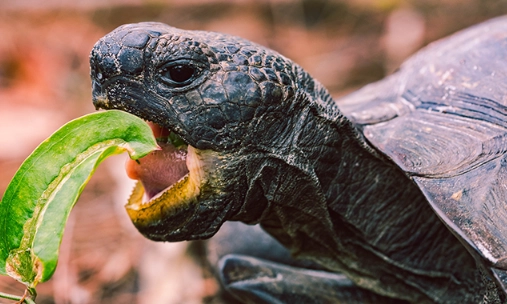
| Food Category | Excellent Choices | Feed in Moderation | Key Notes & Preparation |
|---|---|---|---|
| Leafy Greens (Diet Base) | Red/green leaf lettuce, Romaine (heart), Dandelion greens & flowers, Endive, Escarole, Turnip greens, Collard greens, Water lettuce/hyacinth (safe if chemical-free) | Kale, Spinach, Mustard greens, Swiss chard | Wash thoroughly. The "moderation" greens contain oxalates that can bind calcium if fed daily. Rotate them. For aquatic turtles, use a veggie clip. |
| Other Vegetables | Shredded carrots, Zucchini/squash slices, Bell pepper strips, Pumpkin, Sweet potato (cooked), Green beans | Corn, Peas, Cucumber | Chop into bite-sized pieces. Cucumber and lettuce like iceberg are mostly water with little nutrition—they're hydration treats, not staples. |
| Protein (for omnivores) | High-quality commercial pellets (Mazuri, Zoomed), Earthworms, Feeder fish (guppies, not goldfish!), Cooked chicken/turkey (plain), Shrimp | Mealworms, Waxworms, Crickets, Bloodworms (frozen) | Protein portion should be sized to the turtle's head. Feeder fish can carry parasites; quarantine or buy from reputable sources. The "moderation" items are fatty or lack balance. |
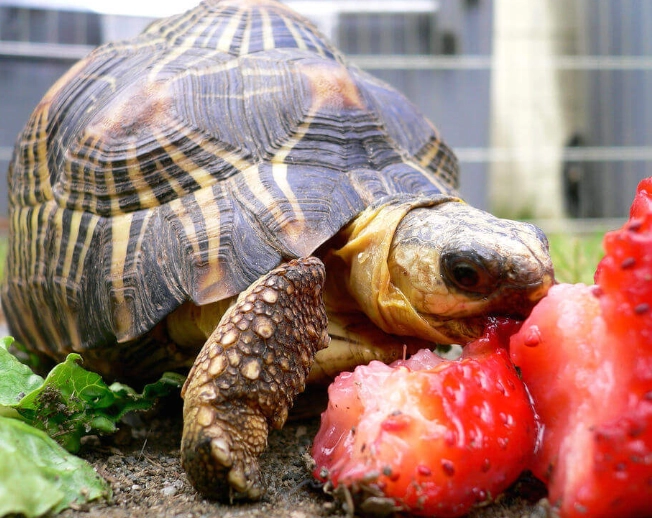
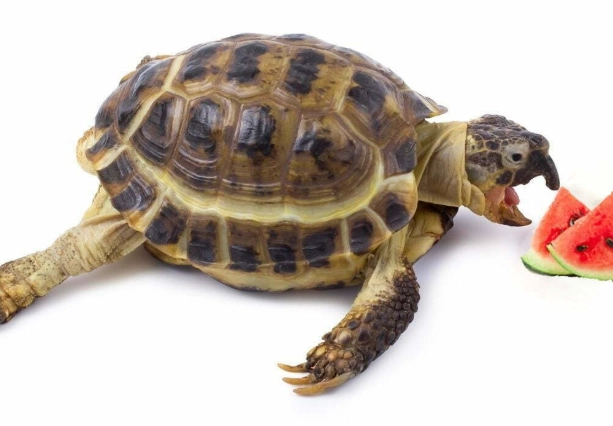
| Fruits (Treats Only) | Berries (strawberry, blueberry), Apple (no seeds), Melon, Mango, Papaya | Banana, Grapes, Peach | Never more than 10% of diet. High sugar. Remove all seeds/pits. Offer once every 1-2 weeks. |
See how romaine is in the "excellent" column? That's a specific call-out. Iceberg lettuce is useless, but romaine hearts have some actual nutrients. It's details like this that matter.
Toxic & Dangerous Foods: The Non-Negotiables
This list is short but serious. Never feed these.
- Dairy Products: Turtles lack lactase. Cheese, milk, or yogurt will cause severe digestive upset.
- Processed Human Food: Bread, crackers, pasta, chips, sweets. Their digestive systems aren't built for processed carbs, salts, and sugars.
- Avocado, Rhubarb, Onion, Garlic: These contain substances toxic to many reptiles.
- Certain Plants: Avoid anything from the nightshade family (tomato leaves, stems, unripe fruit), buttercups, and foxglove. When in doubt, don't forage it.
- Raw Meat from the Grocery Store: Risk of bacterial contamination like Salmonella is high. If offering meat, cook it thoroughly with no seasoning. Better to use reputable commercial pellets or properly raised feeders.
A Sample Weekly Diet Plan You Can Use Today
Let's make this concrete. Here’s a sample week for an adult red-eared slider (adjust protein down for older turtles, up for juveniles).
Monday: Fast day. No food. Promotes natural foraging behavior and prevents obesity. Yes, a healthy adult turtle does not need food daily.
Tuesday: A large leaf of dandelion greens (clipped in tank) and 2-3 high-quality floating pellets.
Wednesday: A mix of shredded red leaf lettuce and a few thin strips of bell pepper.
Thursday: Protein day. Two earthworms or a piece of cooked chicken the size of its head.
Friday: Fast day again.
Saturday: Romaine heart leaf and a couple of green bean pieces.
Sunday: Treat/Supplement day. A single blueberry or strawberry, and lightly dust the greens with a calcium powder supplement (without vitamin D3 for turtles with proper UVB lighting).
This is a template. Rotate the greens and protein sources each week.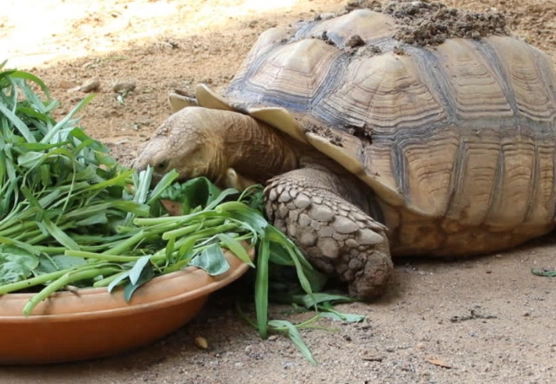
5 Common Feeding Mistakes That Ruin Turtle Health
- Feeding Too Much Protein to Adults: This leads to rapid, unnatural growth, pyramided scutes (shell bumps), fatty liver disease, and kidney strain. The shift to a plant-based diet is mandatory.
- Overfeeding: The "head size" portion rule is golden. Turtles are opportunistic and will beg constantly—it doesn't mean they're starving. Obesity is a huge problem in captive turtles.
- Ignoring Calcium & UVB: Even the best diet fails without proper calcium metabolism. Turtles need a source of UVB light (from a specialized reptile bulb, not just room light) to synthesize vitamin D3 and use calcium. Without it, metabolic bone disease (soft, deformed shell) is inevitable. Dust food with calcium powder 1-2 times a week.
- Feeding in the Same Spot: It's boring. Scatter pellets in the water or hide greens under a rock to encourage natural foraging behaviors and mental stimulation.
- Assuming They'll "Figure Out" Veggies: If raised only on pellets, many turtles will ignore greens. You have to train them using the mixing and persistence methods discussed in the FAQ.
Your Top Turtle Feeding Questions Answered
Getting your turtle's diet right isn't about perfection from day one. It's about understanding the principles, applying them consistently, and adjusting based on your specific turtle's response. Start with the safe foods list, build a rotation, and pay close attention to their growth and shell condition. A well-fed turtle is an active, curious, and long-lived companion.
Related Articles