Shih Poo: The Complete Guide to This Adorable Designer Dog
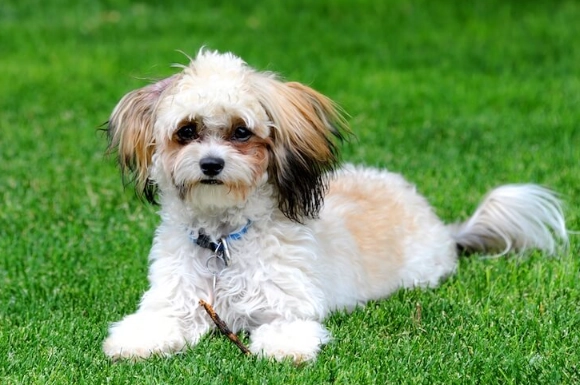
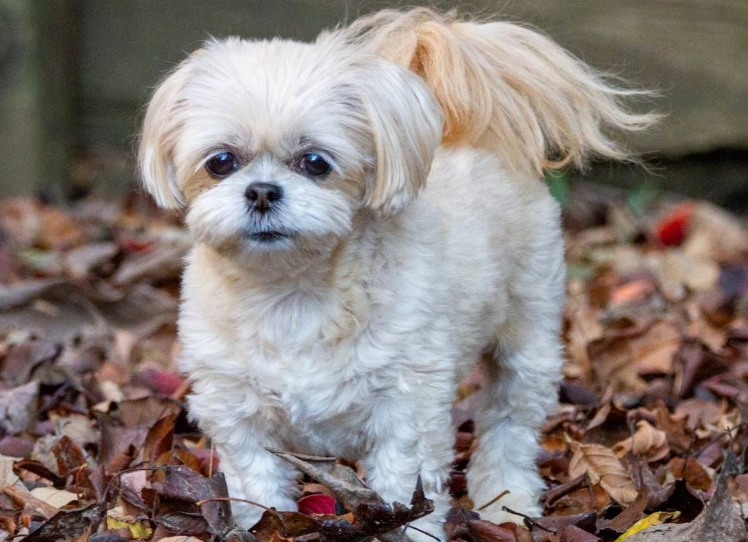
Let's talk about the Shih Poo. You've probably seen them – those fluffy, bright-eyed little dogs that look like living teddy bears. They're everywhere on social media, and for good reason. But is a Shih Poo puppy the right fit for your home, or are you just falling for an adorable face? After years of working with small breed dogs and seeing countless families bring home designer mixes, I've learned that the Shih Poo reality is a bit more nuanced than the Instagram photos suggest. This guide cuts through the fluff (pun intended) to give you the real story. A Shih Poo is a cross between a Shih Tzu and a Toy or Miniature Poodle. It's a first-generation hybrid, meaning there's no established breed standard. This leads to huge variation. I've seen Shih Poos that look 90% Poodle with a curly apricot coat, and others that are dead ringers for a Shih Tzu with a straighter, black-and-white coat. The size depends entirely on the Poodle parent – a Toy Poodle mix will be smaller (often 8-12 inches tall, 8-15 pounds), while a Miniature Poodle mix can reach 15-20 pounds. The American Kennel Club (AKC) doesn't recognize designer mixes, but they provide excellent resources on the Shih Tzu and Poodle parent breeds. Understanding these origins is key to predicting your dog's traits. Why are they so popular? People hope to blend the Shih Tzu's affectionate, lap-dog nature with the Poodle's intelligence and (often overstated) hypoallergenic coat. It doesn't always work out that neatly. Most Shih Poos are affectionate, playful, and thrive on human companionship. They're typically great with families, including older children who understand gentle handling. They can be wary of very young kids who might pull their hair. But here's the non-consensus part everyone glosses over: the potential for stubbornness and anxiety. You're mixing the sometimes willful, independent Shih Tzu with the highly sensitive, people-pleasing Poodle. The result can be a dog that is incredibly smart but chooses when to listen. I've met Shih Poos that are velcro dogs, following their owners everywhere, and others that develop separation anxiety if not properly conditioned from day one. Socialization isn't optional. A poorly socialized Shih Poo can become a yappy, nervous little gremlin around strangers or other dogs. Start early. This is where most first-time owners get blindsided. The promise of a "low-shedding" coat is technically true, but it comes with a massive asterisk. That hair doesn't fall out; it grows continuously and mats incredibly easily. If you think you can get away with brushing once a week, you're in for a painful (and expensive) lesson. Here's the expert tip most blogs miss: You must brush all the way to the skin. Surface brushing creates a deceptively smooth top layer while hiding a tangled nightmare underneath, close to the skin. These mats pull on the skin, cause hot spots, and force a full shave-down at the groomer. I tell new owners to practice on a small section of their own hair – try to get the comb from the scalp to the ends without snagging. That's the diligence required. Eyes and ears need weekly checks. Tear staining is common. Many owners opt for a shorter "puppy cut" for manageability, which is a smart move. Hybrid vigor can be a thing, but it's not a guarantee. Shih Poos inherit health risks from both sides of the family tree. Reputable breeders test their parent dogs, and you should ask to see the results. Common Issues: Shih Poos are smart but not always motivated to please. Food is usually the best trainer. Keep sessions short (5-10 minutes) and fun. Housetraining can be a challenge due to their small bladders and sometimes stubborn streaks. Consistency is everything. Use a crate, establish a strict schedule, and don't get frustrated. They don't need miles of running. A couple of short walks and some indoor play (fetch down a hallway, puzzle toys) are sufficient. Mental stimulation is crucial to prevent boredom barking. My personal routine with my own Shih Poo, Mochi, involves a 15-minute morning walk, breakfast in a slow-feeder puzzle, and an evening play session with a flirt pole. Weekends might include a sniffari in a new park. It's more about engagement than endurance. Think small dog logistics. Provide steps or a ramp to your bed or couch to protect their joints. Get a harness, not a collar, to avoid tracheal damage. Have plenty of chew toys to save your furniture. Designate a cozy, quiet space for them to retreat to when the house gets busy. This is the most important step. Avoid pet stores and sketchy online listings. A good breeder will: Be prepared to wait and pay a premium. A well-bred Shih Poo puppy from health-tested parents typically costs between $1,200 and $2,500. The initial cost is nothing compared to vet bills for an unhealthy dog. Consider adoption! Check Shih Tzu and Poodle-specific rescues; they often get mixes like Shih Poos. The Shih Poo is a delightful, loving companion for the right person. That person is someone who sees past the teddy bear exterior and is ready for the significant grooming responsibility, potential training challenges, and commitment to keeping this sensitive little dog engaged and healthy. Do your homework, find a great breeder or rescue, and you'll have a loyal, funny friend for years to come.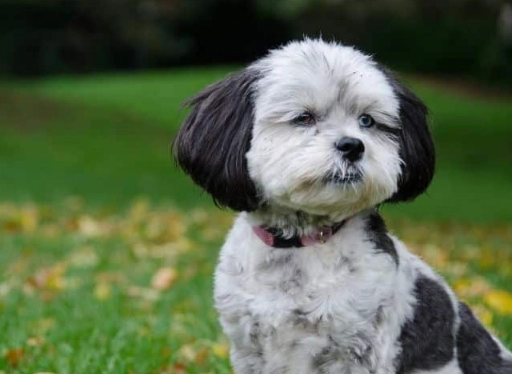
Your Shih Poo Roadmap
What Exactly Is a Shih Poo?
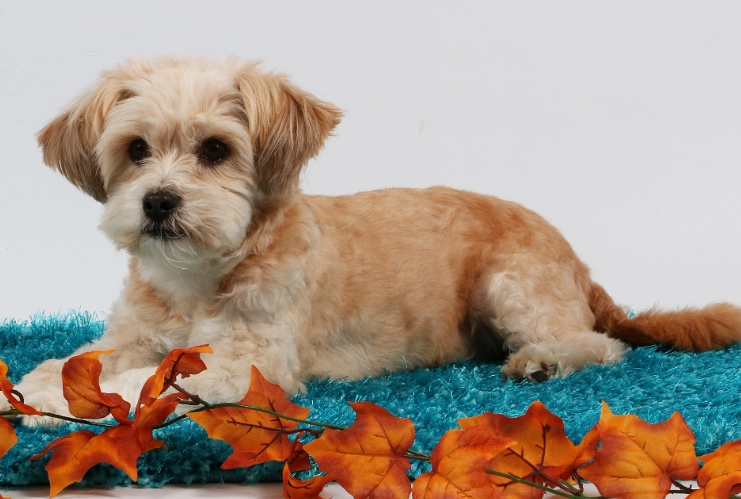
The Shih Poo Personality: More Than Just Cute
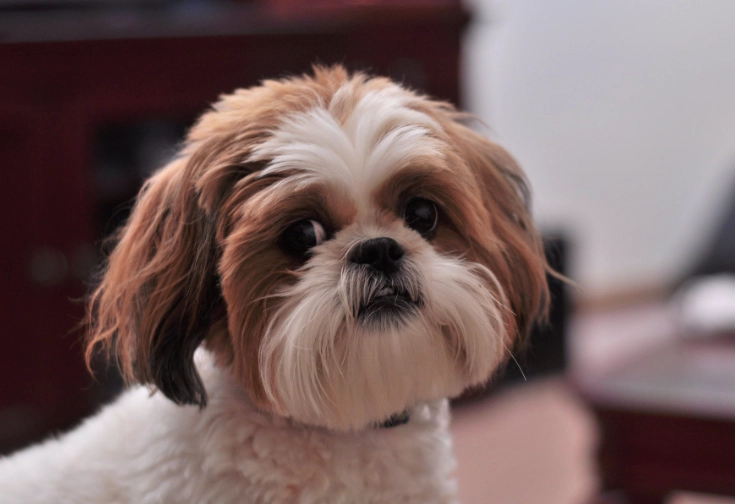
Grooming: The Non-Negotiable Commitment
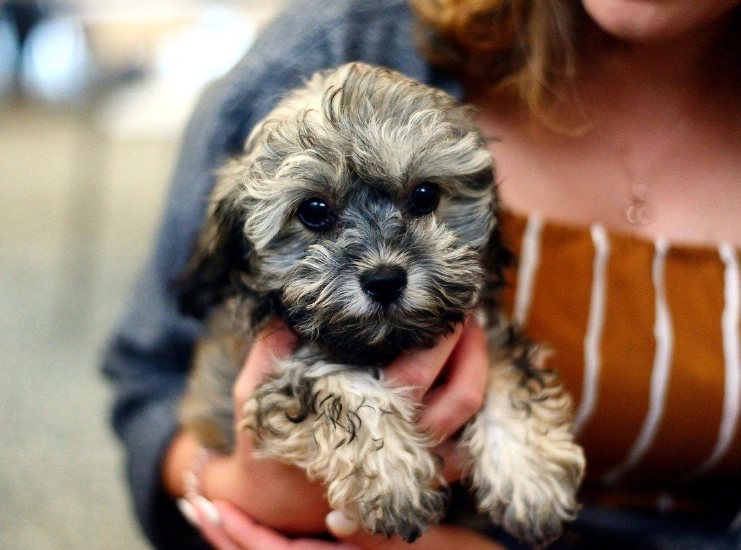
Coat Type
Brushing Frequency
Professional Grooming
Key Challenge
Curly/Wiry (Poodle-dominant)
Every other day
Every 4-6 weeks
Mats form invisibly at the base.
Straight/Soft (Shih Tzu-dominant)
Daily
Every 6-8 weeks
Tangling around ears, legs, and belly.
Wavy/Medium (Mixed)
Every day
Every 5-7 weeks
Combines the matting risks of both.
Shih Poo Health: What to Watch For
Training and Daily Care Tips
Creating a Shih Poo-Friendly Home
Finding a Healthy Shih Poo Puppy
Your Shih Poo Questions Answered