Are Cats Nocturnal? The Truth About Your Cat's Nighttime Activity
If you've ever been jolted awake by a furry cannonball racing across your bed at three in the morning, you've asked the question. Is my cat nocturnal? The short, slightly frustrating answer is: not exactly. They're something more specific, and understanding that difference is the key to reclaiming your sleep. As someone who's lived with cats for over a decade and navigated my share of sleepless nights, I can tell you that most advice online misses the crucial nuance. Calling them "nocturnal" is a simplification that leads to the wrong solutions. Let's get into what's really going on. Here's the expert term you need: crepuscular. It describes animals most active during twilight hours—dawn and dusk. True nocturnal animals (like owls or rats) are active all night and sleep during the day. Diurnal animals (like us) are active during daylight. Cats sit perfectly in that low-light sweet spot in between. This isn't just semantics. A 2015 study published in the journal Applied Animal Behaviour Science monitored indoor cat activity and found clear peaks around the times the sun rose and set, regardless of when their humans were active. Their wild ancestors, like the African wildcat, evolved this schedule to hunt when their prey (small rodents and birds) were also most active, while avoiding larger daytime predators and the heat of the midday sun. Your domestic cat has that same hardwiring. The problem is, our modern indoor lives with artificial lighting can blur these natural cues. That "midnight madness" might actually be a shifted or confused crepuscular peak. Key Insight: Don't fight biology. You can't make a crepuscular animal diurnal. The goal is to work with their rhythm and enrich their daytime so their twilight energy bursts are less destructive to your REM cycle. It boils down to evolutionary advantage and sensory biology. Their eyes are built for low light. They have a high number of rod photoreceptors and a reflective layer called the tapetum lucidum (that's the eyeshine you see in photos), which gives them superb night vision compared to us. However, according to resources from VCA Hospitals, their vision in total darkness is still limited—they need some ambient light. Twilight provides that perfect level. Their hearing is also exceptionally sharp at detecting the high-frequency sounds of small prey scurrying in leaf litter, a common dawn/dusk activity. Think of it this way: dawn and dusk were the "prime time" for hunting success with minimal risk. That instinct to patrol, pounce, and play is strongest when the light feels "right" to their ancient programming. So, your cat's internal clock says "hunt" at 5 AM, but your clock says "sleep." Here's a practical, non-obvious strategy that most people get wrong. The biggest mistake is trying to tire them out right before your bedtime. You play at 10 PM, they sleep at 11 PM, and then they're fully recharged and ready for the dawn patrol at 5 AM. You've just given them a perfect 6-hour rest. The goal is to simulate a "workday" for your cat while you're away or busy. Morning Session (Before you leave): 15 minutes of intense, interactive play. Use a wand toy to mimic prey—darting, hiding, letting them "catch" it. This satisfies the dawn hunt impulse. Midday Simulation: This is where automation helps. A timed feeder set to dispense a small portion of food around noon or early afternoon can trigger a natural "hunt-eat-groom-sleep" cycle. Food puzzles are even better, forcing mental and physical work. Evening Session (Not right before bed): Have your major play session around 6 or 7 PM. Follow it with their main meal. This sequence—hunt (play), catch (eat), groom, sleep—mirrors natural behavior and can push their energy trough later into the night. If they still wake early, don't reinforce the behavior by getting up. Instead, set up a compelling alternative the night before. In a room away from your bedroom, leave out a fresh food puzzle, a self-play toy like a treat ball, and a cozy bed by a window. Sometimes, simply providing a cat tree by a secure window so they can watch the early morning world can be enough entertainment. This table breaks down what's typical for a domestic cat with strong crepuscular instincts. Your cat's individual personality will vary, but this pattern is the biological blueprint. Notice the two major sleep blocks? That's why a cat sleeping all day isn't being lazy—it's preparing for its biologically programmed active periods. My cat goes crazy at 3 AM. What can I do if the play schedule isn't working perfectly? First, rule out medical issues with a vet—hyperthyroidism can cause restlessness. If health is clear, the issue is often reinforcement. Every time you get up to feed, yell, or play at 3 AM, you teach them that 3 AM works. For one brutal week, you must not respond. Use earplugs, keep the door closed, and be utterly boring. Simultaneously, make the pre-dawn hours less inviting. An automatic feeder that goes off at 4:30 AM (well before your wake-up time) can work wonders by dissociating the wake-up call from you. Are some cat breeds more nocturnal than others? All cats are fundamentally crepuscular, but energy levels vary. High-energy breeds like Abyssinians, Bengals, and Siamese might have more intense and persistent twilight peaks that feel "more nocturnal." They often need more rigorous daytime simulation and enrichment. Conversely, Persians or Ragdolls might have a milder expression of the dawn frenzy. It's a spectrum of intensity, not a different category. My kitten is insane at night. Will they ever calm down? Yes, absolutely. Kittens have extreme energy bursts and underdeveloped sleep rhythms. Adolescence (6-18 months) is the peak of the chaos. They usually start to settle into a more predictable adult pattern around 2-3 years old. The habits you establish now, however, are critical. Don't use your hands or feet as toys at night, and stick to the daytime play routines. You're setting their expectations for life. Is it cruel to keep my cat awake during the day so they sleep at night? Not just ineffective, but counterproductive. A sleep-deprived cat becomes stressed, hyperactive, and more likely to exhibit behavioral problems. You can't exhaust a predator built for short, intense bursts. The aim is mental and physical satisfaction, not fatigue. A cat that has successfully "hunted" (played), eaten, and groomed will be content to rest, not because it's exhausted, but because its instinctive loop is complete. The bottom line is this: your cat isn't nocturnal, and they're not trying to drive you crazy. They're a crepuscular creature living in a diurnal world. By understanding the "why" behind the 3 AM zoomies—the evolutionary echo of the dawn hunt—you can stop fighting their nature and start shaping their environment. It's about strategic play, smart feeding, and managing light and reinforcement. It takes consistency, but the payoff is a more harmonious home and, finally, a full night's sleep.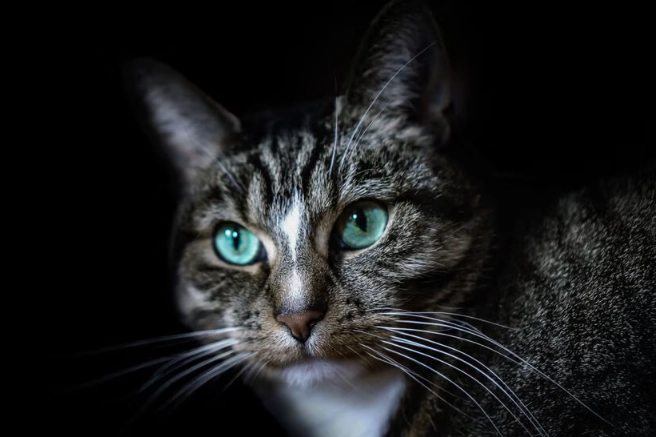
What's Inside: Your Quick Guide
The Crepuscular Truth: Not Nocturnal, Not Diurnal
Why Are Cats Most Active at Dawn and Dusk?
How to Manage Your Cat's Nighttime Behavior
Shift the Energy to Daytime
Create a Safe "Night Shift" Space
Understanding Your Cat's Natural Activity Schedule
Time of Day
Typical Cat Activity
What It Means & What to Do
Dawn (4 AM - 8 AM)
Peak activity. Zoomies, vocalizing, patrolling.
This is the prime "hunt" time. If problematic, use blackout curtains to delay light cues and never feed immediately upon waking.
Morning to Afternoon (8 AM - 4 PM)
Long periods of sleep and rest.
Their natural downtime. This is when they recharge. Provide cozy, sunny spots for napping.
Dusk (4 PM - 8 PM)
Second peak activity. Playful, social, hungry.
Ideal time for your main interactive play session followed by dinner. Harness this energy.
Late Evening to Night (8 PM - 4 AM)
Intermittent activity. Short bursts of play, grooming, then more sleep.
They may be sociable. A quiet cuddle or low-key play is fine. Avoid overstimulation.
Your Top Questions Answered (Beyond the Basics)