What Can I Give My Dog for Pain? Safe Options & What to Avoid
Seeing your dog in pain is heartbreaking. That limp, the reluctance to jump on the couch, the quiet whimper—it hits you right in the gut. Your first instinct is to help, to make it stop. And in that moment of worry, you might glance at your own bottle of ibuprofen or aspirin and wonder, "Could a little bit of this help?" Let me stop you right there. The answer is a firm, non-negotiable no. Giving human pain medication to dogs is one of the most common and dangerous mistakes pet owners make. This guide cuts through the confusion. We'll walk through what actually works, what your vet can prescribe, and the supportive care you can provide at home. Most importantly, we'll cover what you should never, ever give your dog. I've talked to vets and seen the aftermath of well-intentioned mistakes. This isn't about scaring you; it's about giving you clear, actionable information to make the best choices for your furry friend. This is the hill I will die on. Human over-the-counter (OTC) pain meds are toxic to dogs. Their metabolism is completely different. A dose that seems tiny to you can cause catastrophic internal damage. Let's break down the usual suspects: The bottom line? Your medicine cabinet is not your dog's pharmacy. The risk is never worth it. So, what can the vet give? The good news is there are several safe, effective, dog-specific pain medications. The critical word here is "prescribed." Your vet will choose based on your dog's size, age, kidney/liver health, and the cause of pain (e.g., arthritis vs. post-surgery). Here's the expert nuance most blogs miss: Vets often use combination therapy. It's not just one pill. For a dog with bad arthritis, a vet might prescribe a canine NSAID plus Gabapentin. This allows them to use lower, safer doses of each medication while achieving better pain control. This is why a vet's diagnosis is irreplaceable. My own senior Lab, Buddy, was on Meloxicam for his hips. It worked great for a year, but then his blood work showed his kidneys were getting a bit stressed. His vet didn't just stop the meds. We switched him to a different NSAID (Deracoxib) that was processed differently by his body, and added a joint supplement. His pain stayed managed, and his kidney values improved. That's personalized care you can't Google. Alongside (not instead of) vet care, these approaches can provide significant comfort, especially for chronic issues like arthritis. Think of these as long-term support for joint health, not fast-acting pain pills. Pain management isn't just about what goes in the mouth. Weight Management: This is the single most effective thing you can do for a dog with joint pain. Every extra pound puts exponential stress on hips and knees. A lean dog feels less pain, period. Controlled Exercise: Swap long runs for shorter, frequent walks. Swimming is fantastic—it builds muscle without impact. Avoid hard stops and starts on slippery floors. Home Modifications: These are simple but make a world of difference. I helped a friend with her overweight Dachshund. We didn't start with meds. We put down runners on her slippery hallway, got a ramp for the one step to the yard, and switched to a weight-management food. The dog started moving more freely within two weeks. The environment was causing half the problem. Dogs are stoic. They hide pain instinctively. You have to become a detective. Look for subtle changes: If you see these signs, don't guess. Schedule a vet visit. Describe what you see in detail. A video of the limping or stiffness on your phone can be incredibly helpful for the vet.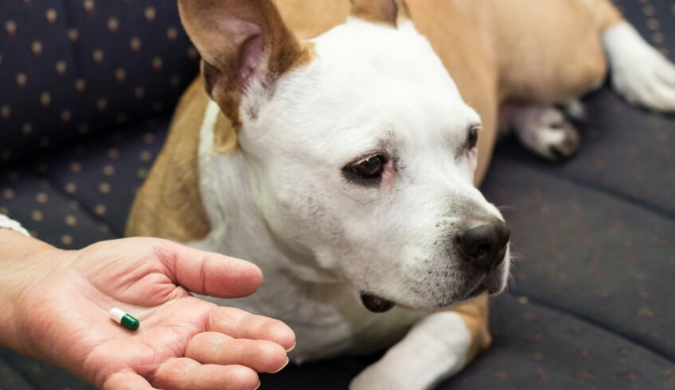
What You'll Find in This Guide
Why You Should Never Give Human Painkillers to Your Dog

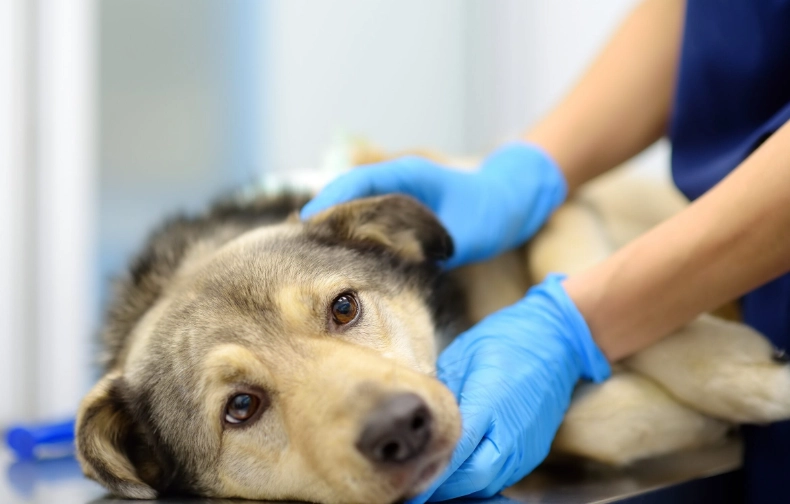
Vet-Prescribed Medications: The Only Safe Pharmaceutical Option
Medication Type
Common Brand Names (Examples)
Best For
Important Considerations
Canine-Specific NSAIDs
Carprofen (Rimadyl), Meloxicam (Metacam), Deracoxib (Deramaxx), Firocoxib (Previcox)
Chronic arthritis, post-operative pain, general inflammation.
Require regular blood work to monitor liver/kidney function. Must be given with food.
Gabapentin
Generic
Neuropathic pain, chronic pain (often used with an NSAID), anxiety-related pain.
Can cause sedation (drowsiness). Dosage is weight-based and must be precise.
Amantadine
Generic
"Wind-up" pain from chronic conditions like severe arthritis. Often an add-on.
Helps reset pain pathways in the nervous system.
Opioids (for severe pain)
Tramadol, Codeine (rarely)
Acute, severe pain (e.g., after major surgery, bone fracture).
Strictly controlled, short-term use. Can cause constipation, sedation.

Natural and Supportive Remedies for Canine Discomfort
Dietary Supplements: The Big Three
Physical and Environmental Support
Get a set of pet stairs or a ramp for the bed/couch.
Place non-slip rugs or yoga mats on hardwood/tile floors.
Raise food and water bowls so your dog doesn't have to crane their neck down.
Provide an orthopedic dog bed with memory foam support.
How to Recognize Pain in Your Dog

FAQ: Your Top Questions About Dog Pain Relief Answered