Cat Throwing Up: Causes, Home Treatment, and When to Call the Vet
If your cat is throwing up, you're not alone. It's one of the most common issues cat owners face. But here's the thing: while occasional vomiting might be normal, frequent episodes can signal serious problems. I've had cats for over a decade, and I've seen everything from harmless hairballs to scary emergencies. This guide cuts through the noise to give you practical, vet-backed advice on what to do when your cat vomits.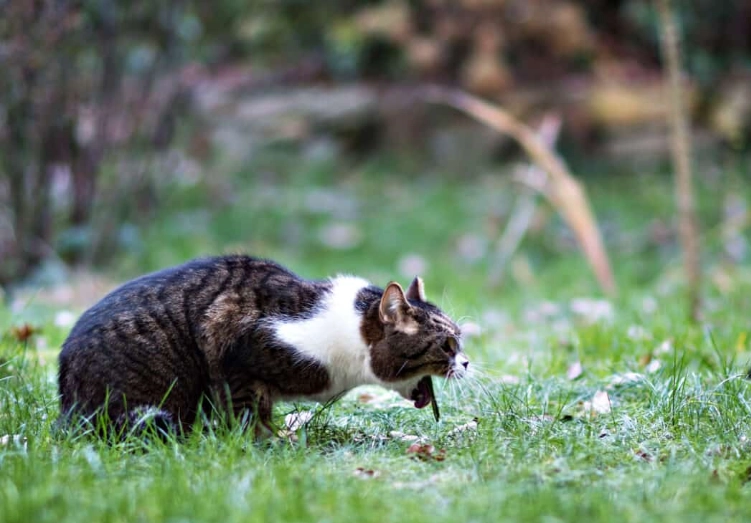
Why Do Cats Vomit? Common and Serious Causes
Cats throw up for many reasons. Some are benign, like eating too fast, while others require immediate vet attention. Let's break it down.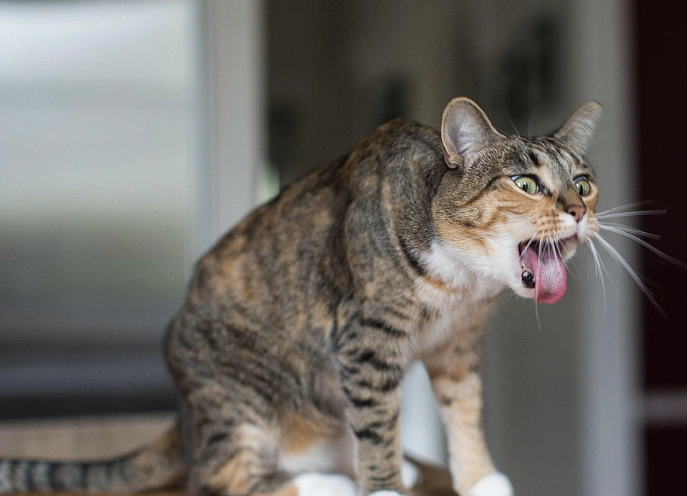
Common Causes of Cat Vomiting
These are the usual suspects. In my experience, about 80% of vomiting cases fall into these categories.
| Cause |
Description |
What to Do |
| Hairballs |
Accumulated fur in the stomach from grooming. Typically, the vomit contains cylindrical masses of hair. |
Regular brushing, hairball control food or treats. I use a slicker brush twice a week for my long-haired cat. |
| Dietary Indiscretion |
Eating too fast, scavenging, or consuming inappropriate items like grass or table scraps. |
Slow feeder bowls, scheduled meals, and keeping human food out of reach. Puzzle feeders work wonders. |
| Food Allergy or Intolerance |
Reaction to specific ingredients, often leading to chronic vomiting. Common allergens include beef, dairy, or fish. |
Consult your vet for an elimination diet. Switching to a limited-ingredient diet helped my cat stop vomiting within weeks. |
| Minor Gastrointestinal Upset |
Sudden changes in diet, stress, or mild infections. Vomiting may be accompanied by diarrhea. |
Bland diet (boiled chicken and rice) for a day, then gradual transition back to regular food. |
Serious Causes That Need Vet Attention
Don't panic, but be aware. These conditions often come with other symptoms like lethargy or weight loss.
- Inflammatory Bowel Disease (IBD): A chronic condition where the stomach or intestines are inflamed. It's more common in middle-aged cats.
- Kidney Disease: Especially in older cats. Vomiting is a key sign, along with increased thirst and urination.
- Hyperthyroidism: Overactive thyroid gland, causing weight loss despite increased appetite and vomiting.
- Foreign Body Obstruction: If your cat swallows something like a string or toy, it can block the intestines. This is an emergency.
- Poisoning: From plants, chemicals, or human medications. According to the ASPCA Animal Poison Control Center, lilies are highly toxic to cats and cause vomiting.
Pro Tip: Keep a vomiting journal. Note the frequency, color, and content of the vomit. This helps your vet diagnose faster. I once tracked my cat's episodes and realized they always happened after feeding a certain brand of treats.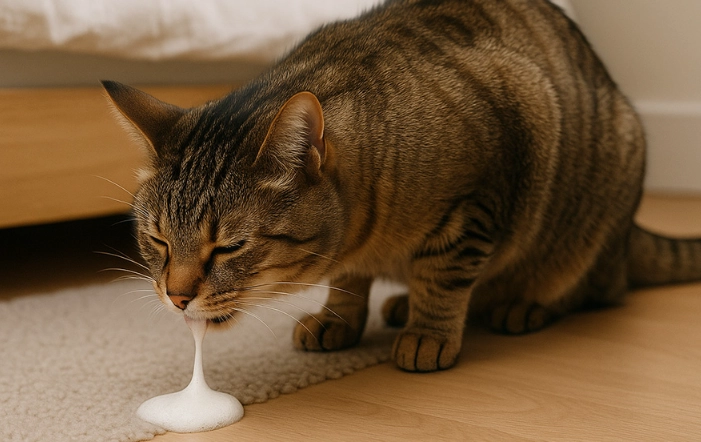
How to Care for a Vomiting Cat at Home: A Step-by-Step Plan
When your cat throws up, your first response matters. Here's a practical plan based on veterinary guidelines from sources like the American Animal Hospital Association.
Immediate Actions (First 12 Hours)
- Withhold food, but not water: Contrary to popular belief, don't fast your cat for more than 12 hours. Offer small amounts of fresh water frequently. Dehydration is a real risk.
- Observe closely: Check for other symptoms like diarrhea, lethargy, or pain. Is your cat still playful or hiding?
- Clean up safely: Use gloves and disinfect the area. Some causes of vomiting can be contagious to other pets.
Dietary Adjustments After Vomiting
After 12 hours, if vomiting has stopped, introduce a bland diet.
- Bland food options: Boiled chicken (no skin or bones) with plain white rice, or commercial gastrointestinal diets from your vet.
- Feeding schedule: Offer teaspoon-sized portions every 3-4 hours for the first day. Gradually increase over 2-3 days.
- Avoid common mistakes: Don't give milk or fatty foods. Cats are lactose intolerant, and fat can worsen vomiting.
I made the error of giving my cat tuna after a vomiting episode once—big mistake. It triggered another round of vomiting due to the high oil content.
When to Visit the Vet: Red Flags You Can't Ignore
Some signs mean you should skip home care and go straight to the vet. Here's when to worry.
Emergency Signs (Go to the Vet Immediately):
- Vomiting blood (looks like coffee grounds or red streaks).
- Projectile vomiting or vomiting multiple times in an hour.
- Your cat is lethargic, unresponsive, or has pale gums.
- You suspect poisoning (e.g., from lilies, antifreeze).
- Abdominal pain—your cat yowls or doesn't let you touch its belly.
Non-Emergency But Concerning Signs
Schedule a vet visit within 24 hours if:
- Vomiting persists for more than 24 hours despite home care.
- Your cat is also having diarrhea or not eating.
- There's weight loss or changes in thirst/urination.
- Your cat is very young, old, or has pre-existing conditions like diabetes.
The Cornell Feline Health Center notes that chronic vomiting in cats over age 7 often links to kidney disease or hyperthyroidism, so don't delay.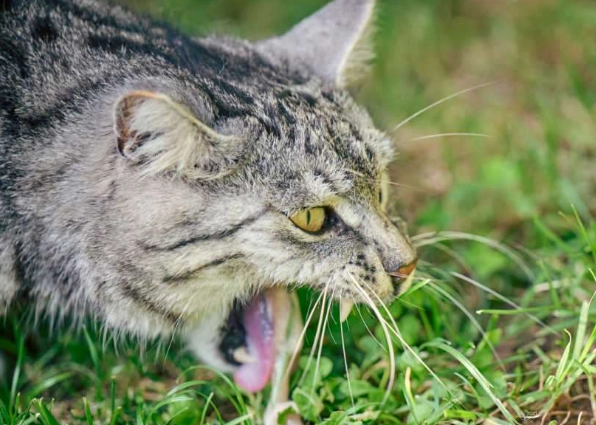
Preventing Future Vomiting Episodes: Long-Term Strategies
Prevention is better than cure. Here are ways to reduce vomiting episodes based on what actually works.
Diet Management
- Choose high-quality cat food: Look for brands with animal protein as the first ingredient and minimal fillers. I've had success with grain-free options for sensitive stomachs.
- Feed smaller, frequent meals: Instead of free-feeding, offer 3-4 small meals a day. This prevents overeating and reduces hairball formation.
- Consider specialized diets: For cats with frequent hairballs, try formulas with added fiber. For allergies, hydrolyzed protein diets may help.
Environmental and Behavioral Tips
- Regular grooming: Brush your cat daily, especially long-haired breeds. It reduces swallowed fur.
- Provide cat grass: Some cats eat grass to induce vomiting and clear hairballs. Offer safe, pesticide-free grass indoors.
- Reduce stress: Cats are sensitive. Changes like moving or new pets can cause vomiting. Use pheromone diffusers or create quiet spaces.
From my experience, adding a water fountain encouraged my cats to drink more, which aids digestion and reduces vomiting from dehydration.
FAQs About Cat Throwing Up: Expert Answers to Your Questions
My cat throws up every time she eats too fast. What can I do to slow her down?
Try a slow feeder bowl or puzzle feeder. These make cats work for their food, preventing gulping. I've also had luck with spreading wet food on a flat plate or using muffin tins to separate portions. For dry food, place a large, clean rock in the bowl—they have to eat around it.
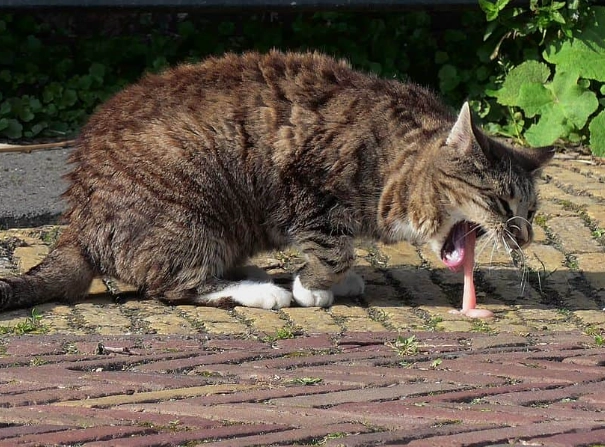
Is it normal for cats to vomit hairballs weekly?
No, weekly hairball vomiting isn't normal. It suggests excessive grooming or underlying issues like skin allergies or stress. Increase brushing to daily, consider a hairball control diet, and see a vet if it continues. My cat's weekly hairballs stopped after I addressed her anxiety with more playtime.
What should I do if my cat vomits after giving medication?
Contact your vet immediately. Don't re-dose without advice, as it could lead to overdose or underdose. Vomiting soon after medication means it may not have been absorbed. Your vet might suggest a different form, like transdermal gels or compounded liquids. I learned this when my cat vomited an antibiotic pill; the vet switched to a liquid mixed with food.
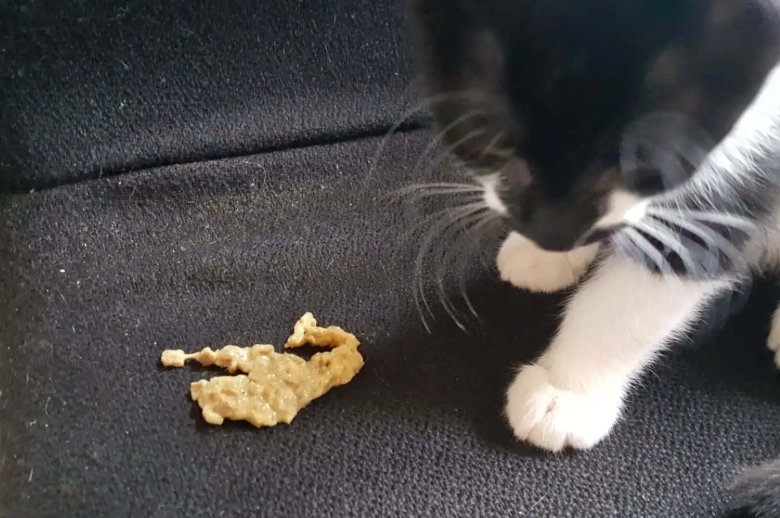
Can stress really cause a cat to throw up?
Absolutely. Stress triggers gastrointestinal upset in cats. Common stressors include loud noises, new pets, or changes in routine. I've seen cats vomit during thunderstorms or after a move. Solutions include creating safe hiding spots, using Feliway diffusers, and maintaining consistency. For chronic stress, consult a vet about anti-anxiety options.
How can I tell if my cat's vomiting is from food allergies versus other causes?
Food allergy vomiting often occurs consistently after eating, accompanied by skin issues like itching or ear infections. Other causes may have different patterns. An elimination diet supervised by a vet is the gold standard. Start with a novel protein source like duck or rabbit for 8-12 weeks. My cat's vomiting cleared up on a duck-based diet, confirming a chicken allergy.
Remember, every cat is different. What works for one might not for another. Trust your instincts—you know your cat best. If in doubt, always err on the side of caution and consult your veterinarian. Keeping your cat healthy involves observation, prevention, and timely action.