Can Cats Eat Blueberries? Safety, Benefits, and Feeding Guide
What You'll Find in This Guide
Yes, cats can eat blueberries. I've seen it with my own cat, Whiskers—he sniffs them curiously, takes a tiny bite, and usually walks away. But that doesn't mean you should toss a handful into his bowl. The short answer is yes, but with caveats. Blueberries aren't toxic to cats, but they're not a natural part of their diet either. In this guide, I'll break down everything from safety to serving sizes, based on my years of volunteering at a cat rescue and chatting with vets.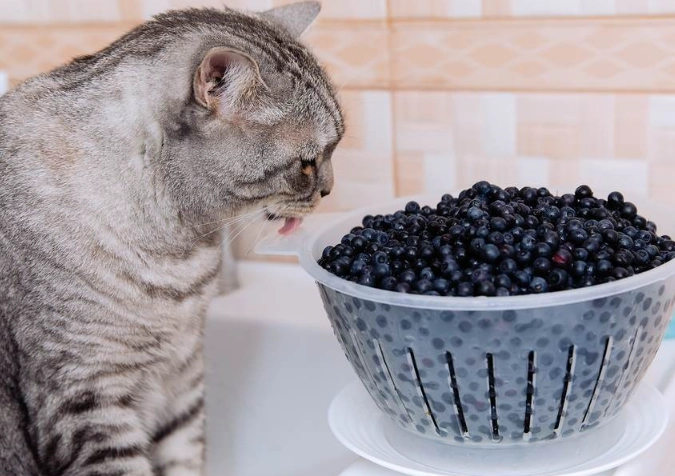
Are Blueberries Safe for Cats?
Blueberries are generally safe for cats, but safety depends on how you offer them. Cats are obligate carnivores, meaning their bodies are built for meat, not fruit. So, while a blueberry won't poison your cat, it might cause digestive upset if overdone.
What Makes Blueberries Non-Toxic?
Unlike grapes, which are highly toxic to cats, blueberries don't contain known harmful substances. The ASPCA lists blueberries as non-toxic for pets. I remember a vet telling me that the biggest risk isn't the berry itself, but how it's prepared—think choking hazards or pesticides.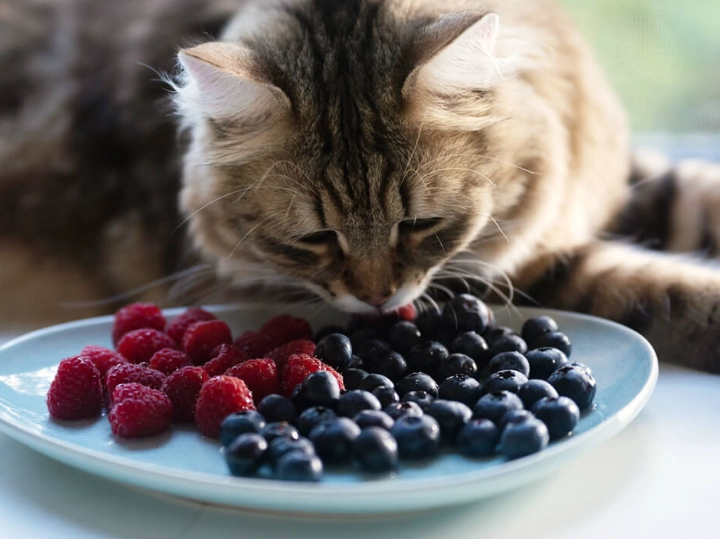
When Blueberries Can Be Risky
If your cat has diabetes or a sensitive stomach, blueberries might spike blood sugar or cause diarrhea. Also, canned blueberries in syrup are a no-go—too much sugar. Fresh is always better.
Nutritional Benefits of Blueberries for Cats
Blueberries pack antioxidants like vitamin C and fiber, but cats don't need these from fruit. Their bodies produce vitamin C internally. The benefits are minimal, but some cat owners use blueberries as an occasional treat for hydration or enrichment.
Here's a quick look at what blueberries offer nutritionally per 100 grams, though remember cats require very little of this:
| Nutrient | Amount | Relevance for Cats |
|---|---|---|
| Vitamin C | 9.7 mg | Non-essential, but may support immune function |
| Fiber | 2.4 g | Can aid digestion in small amounts |
| Antioxidants | High | May reduce inflammation, but evidence is limited for cats |
In my experience, the real benefit is mental stimulation. Tossing a frozen blueberry for your cat to bat around can be fun—just don't expect health miracles.
How to Feed Blueberries to Your Cat
If you decide to try blueberries, do it right. Start small and watch for reactions. I learned this the hard way when Whiskers ignored a blueberry for days, then suddenly decided to play with it, making a mess.
Step-by-Step Preparation
First, wash the blueberries thoroughly to remove pesticides. Organic is best. Then, cut them into quarters or mash them—whole blueberries can be a choking risk, especially for small cats. I usually mash one blueberry and mix it with a bit of wet food to see if my cat shows interest.
Recommended Serving Sizes
For an average 10-pound cat, one or two blueberry pieces per week is plenty. More than that, and you might see loose stools. It's not about nutrition; it's about treating without overloading their system.
Potential Risks and Common Mistakes
Many cat owners assume all fruits are safe, but that's a mistake. Blueberries are low-risk, but common errors include feeding too many or using processed versions.
Overfeeding Issues
Too many blueberries can lead to gastrointestinal upset—vomiting or diarrhea. Cats lack enzymes to digest plant matter efficiently. I've seen cases where owners fed blueberries daily, thinking it was healthy, only to end up at the vet for stomach issues.
Improper Preparation
Leaving stems on or feeding frozen blueberries without thawing can cause choking. Always supervise your cat during treat time. Also, avoid blueberry-flavored commercial treats; they often contain artificial additives that aren't great for cats.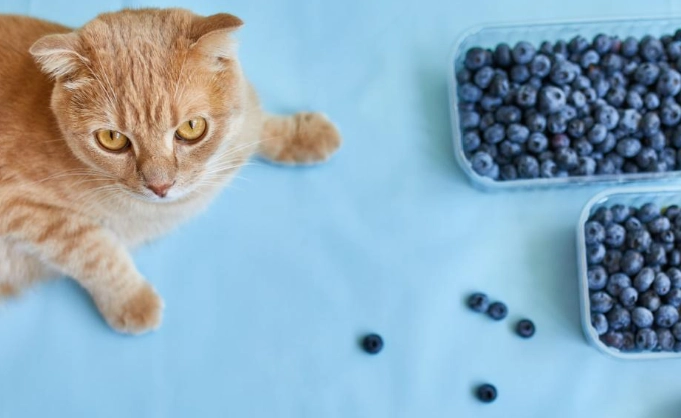
Frequently Asked Questions
Blueberries can be a harmless occasional treat for cats, but they're not a dietary staple. Focus on high-quality cat food and use fruits like blueberries sparingly for variety. Every cat is different—Whiskers might ignore them, while your feline friend might love a blueberry chase. Pay attention to their reactions and prioritize safety over trends.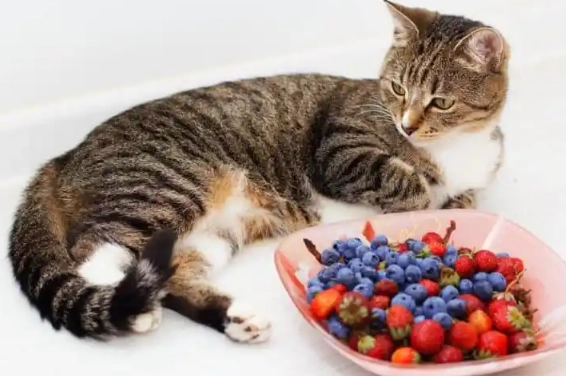
Related Articles