Papillon Dog: The Complete Owner's Guide to the Butterfly Dog
You see them in pictures, those elegant little dogs with ears that look like giant butterfly wings. The Papillon. They're often perched on a velvet cushion in a Renaissance painting, looking like they own the place. Let me tell you, that attitude isn't just for the portraits. I've lived with a Papillon for over a decade, and that regal, intelligent stare is 100% real. But behind those delicate looks is a dog with the heart of a terrier and the brain of a chess master. This isn't just another pretty lapdog. If you're searching for "papillon dog," you're probably wondering if this unique breed could be your next companion. The answer is maybe, but only if you know what you're signing up for.
What's Inside?
What Exactly Is a Papillon Dog?
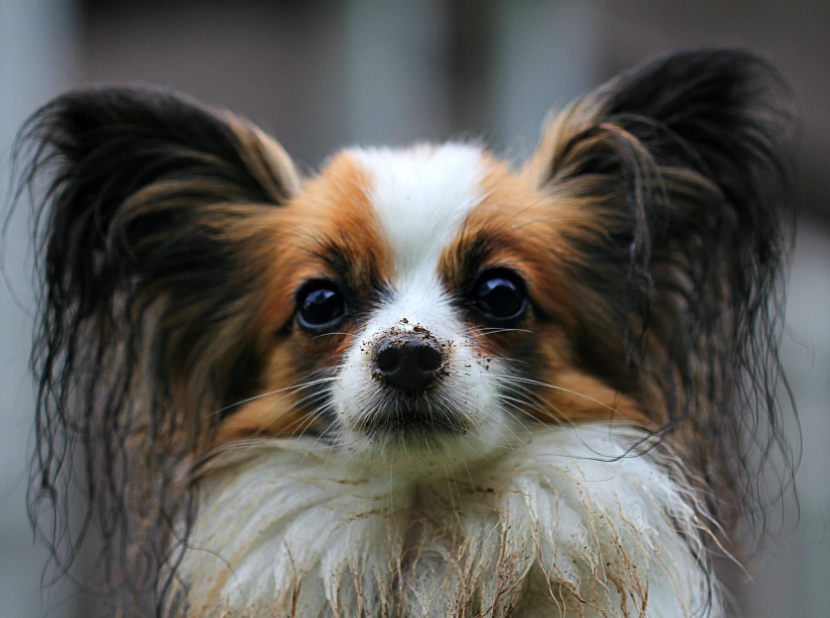
The name "Papillon" is French for butterfly, named for those distinctive, fringed ears. They're a toy breed, typically weighing 5 to 10 pounds. Don't let the size fool you. According to canine psychologist Stanley Coren's rankings, the Papillon is among the top 10 most intelligent dog breeds, often beating out much larger dogs in obedience and working intelligence. They were favorites of European nobility for centuries—Marie Antoinette supposedly carried one to the guillotine. Morbid history aside, it shows they've been cherished companions for a long time.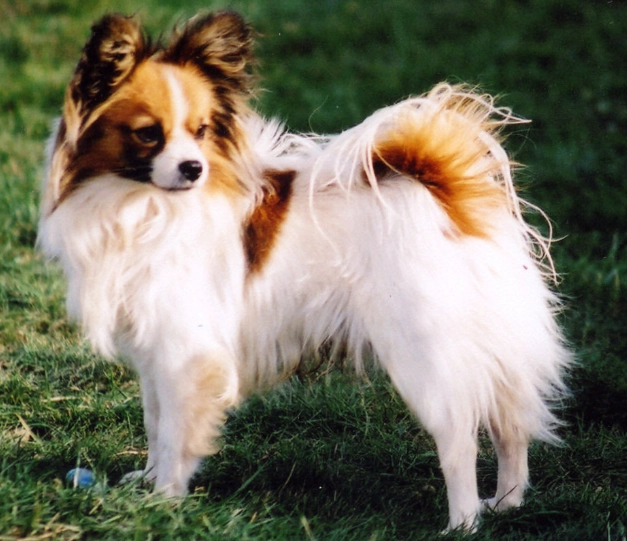
There's also a drop-eared variety called the Phalène (French for moth). It's the same dog, just with ears that fold down. Some litters can have both ear types. The breed standard, as outlined by the American Kennel Club, emphasizes an alert, friendly temperament and a fine-boned but not fragile structure. Their coat is long, flowing, and silky, but without an undercoat, which is a crucial detail we'll get to later.
Their lifespan is impressive, often 14 to 16 years. I know of several pushing 17. That's a long commitment. You're not getting a pet for a few years; you're inviting a lively, intelligent family member into your home for potentially the next two decades.
Is a Papillon Dog the Right Fit for You?
This is the million-dollar question. I've seen too many people fall for the cute face and end up overwhelmed. Let's break it down honestly.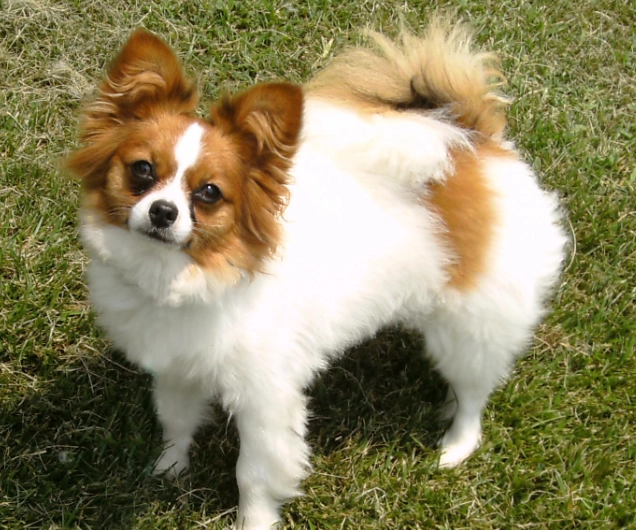
The Bright Side: Papillon Pros
| Trait | What It Means for You |
|---|---|
| Highly Intelligent & Trainable | They pick up tricks and commands incredibly fast. Agility, obedience, even scent work—they excel. Mental stimulation is non-negotiable. |
| Energetic & Playful | They have a surprising amount of stamina for their size. They're up for adventures, long walks, and vigorous play sessions. |
| Affectionate & Alert | They form intense bonds with their people. They're also excellent watchdogs, barking at every little noise. |
| Good for Apartments | Their small size makes them adaptable to smaller living spaces, provided their exercise needs are met. |
| Long Lifespan | You get many years with a healthy companion. |
The Reality Check: Papillon Cons
| Challenge | What You Need to Handle |
|---|---|
| High-Energy & Need for Stimulation | A bored Papillon is a destructive Papillon. They will find trouble. This is not a couch potato breed. |
| Potentially Yappy | That watchdog instinct means barking at the mailman, a leaf blowing by, a squirrel three blocks away. Training to manage barking is essential. |
| Can Be Fragile | Their fine bones mean they can be injured by rough play with children or larger dogs. They are not ideal for homes with very young kids. |
| Stubborn Streak | Smart dogs know they're smart. They can be willful and decide your command is merely a suggestion. |
| Prone to Separation Anxiety | They bond so closely that being left alone for long hours can cause serious stress and behavioral issues. |
Think of a Papillon less like a decorative accessory and more like a highly capable, miniature working dog trapped in a fancy suit. If you want a dog to match your active, engaged lifestyle and you have time for training and companionship, you might have found your match. If you're gone 10 hours a day and want a quiet dog to snuggle, look elsewhere.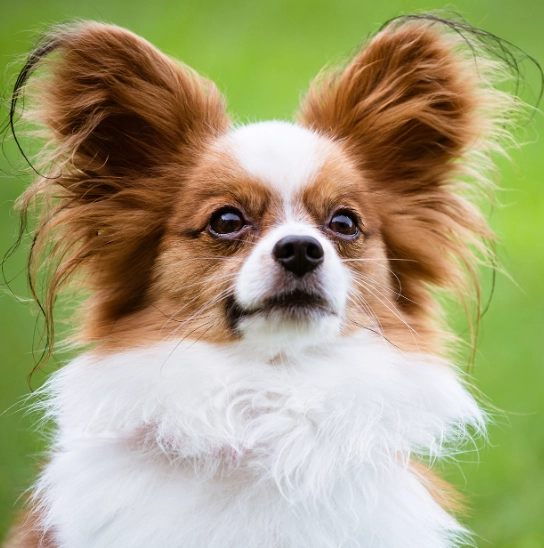
The Day-to-Day: Caring for Your Papillon
Okay, so you think you're up for it. Here's what life actually looks like.
Nutrition and Diet
Feed a high-quality, small-breed formulated kibble or wet food. Their tiny mouths need small kibble. Measure their food. It's too easy for a 7-pound dog to become a 9-pound dog, and that extra weight is brutal on their joints. Avoid free-feeding. I use a slow-feeder bowl to prevent gulping, which can cause gas and bloat. Treats should be tiny—a pea-sized bit of chicken is a huge reward. Their main caloric intake must come from balanced meals.
Exercise Needs
This is where new owners most often miscalculate. A quick walk around the block won't cut it. Aim for at least 30-45 minutes of active exercise daily. This can be split into two walks plus playtime. They love fetch, flirt poles, and puzzle toys. Once a week, we do a longer hike (2-3 miles on a trail), and she keeps up without issue. Mental exercise is just as critical. Ten minutes of training new tricks, a snuffle mat for meals, or a challenging food puzzle tires them out more than a physical walk sometimes.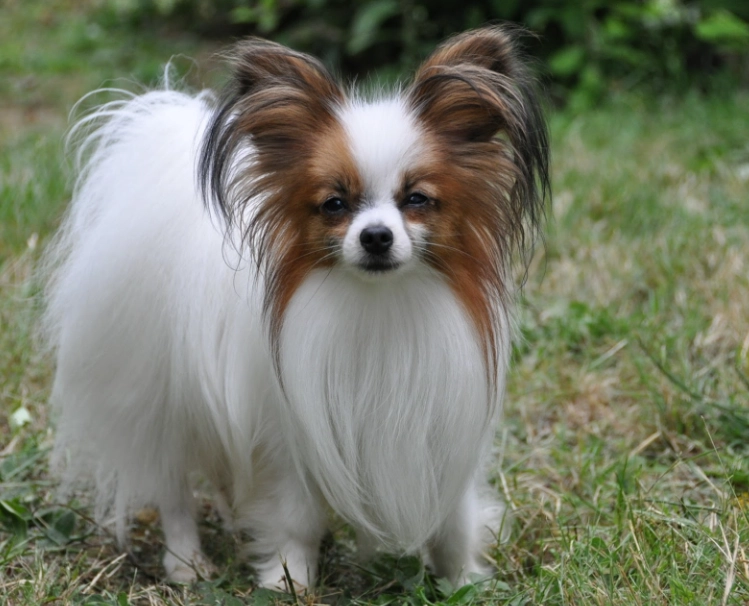
A Sample Day with My Papillon: 7 AM: 20-minute brisk morning walk. 8 AM: Breakfast in a puzzle toy. Noon: 10-minute training session (practice a trick, work on "stay"). 5 PM: 25-minute evening walk with some running off-leash in a safe area. 7 PM: Dinner. 8 PM: 15 minutes of play (fetch or tug). Throughout the day: Chew toys and a bone are available.
Grooming Demands
That beautiful coat is work. The lack of undercoat means less shedding than a Husky, but the long hair mats easily, especially behind the ears, in the armpits, and around the collar. You need to brush at least every other day with a fine-toothed comb and a slicker brush. A full brush-out takes me 20 minutes. Bathing every 3-4 weeks is plenty. The big thing everyone misses? Dental care. Toy breeds are notorious for bad teeth. Brush their teeth daily if you can, or at minimum several times a week. I use a finger brush and poultry-flavored toothpaste. Annual dental cleanings at the vet are a likely future expense.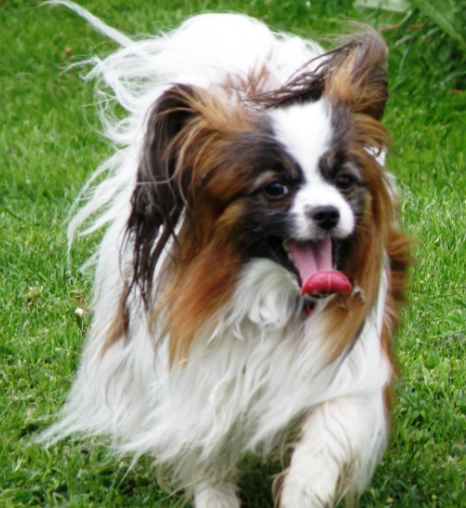
Training and Socialization
Start the day you bring them home. They are clever, so use positive reinforcement (tiny treats, praise, play). Harsh methods will backfire spectacularly. Socialization isn't just about meeting other dogs; it's about exposing them positively to all sorts of sights, sounds, and surfaces: umbrellas, vacuum cleaners, people in hats, different floor textures, car rides. A poorly socialized Papillon can become fearful and neurotic. Enroll in a puppy kindergarten class. It's as much for you as for the dog.
Housebreaking can be tricky. They're small, so their bladders are small. Be consistent, take them out frequently (after waking, eating, playing), and praise heavily for success. Expect accidents up to 6-8 months of age.
Papillon Health and Common Owner Mistakes
Generally healthy, but they have some breed-specific concerns. A responsible breeder will test for these.
- Patellar Luxation: A slipping kneecap. Very common in small breeds. Keep your Pap at a lean weight to reduce stress on the joints.
- Dental Issues: As mentioned, periodontal disease is rampant. Daily brushing is the best prevention.
- Progressive Retinal Atrophy (PRA): A degenerative eye disease that can lead to blindness. Reputable breeders test for it.
- Open Fontanel: Some are born with a soft spot on the skull that never fully closes. It requires careful handling to avoid injury.
Common Mistakes I See: 1. Under-exercising: Leading to barking, chewing, and anxiety. 2. Overfeeding: Just a few extra ounces is a big percentage of their body weight. 3. Skipping dental care: Then facing a $1000+ dental bill at age 5. 4. Treating them like a porcelain doll: They need confident handling and rules, or they will develop Small Dog Syndrome (thinking they're the boss). 5. Not budgeting for vet care: They may be small, but vet bills aren't. Pet insurance is worth considering.
Your Papillon Questions Answered (FAQ)
Papillon puppies keep me up all night crying. What am I doing wrong?
You're probably putting them in a crate far away from you. They are pack animals and terrified to be alone. For the first few weeks, keep the crate right next to your bed. Let them see and smell you. Put a warm water bottle (wrapped in a towel) and a ticking clock in the crate to mimic littermates and a heartbeat. Ignore whining for attention, but respond immediately if you think it's a potty cry. It gets better, but the first week is brutal.
Are Papillons actually good with other pets like cats?
They can be, but it's highly individual and depends on early socialization. Their high prey drive can make them chase cats or small animals. They often do well with other dogs, especially if raised together. Always supervise introductions. My Papillon tolerates the cat but will give chase if it runs. The cat has learned not to run.
What's the biggest misconception about grooming a Papillon?
That you can just give them a "puppy cut" and be done with it. Many groomers will suggest shaving them down. I strongly advise against it. Their single coat doesn't always grow back the same—it can become patchy, coarse, or lose its silky texture. Regular, thorough brushing is the only correct way to maintain that signature coat. It's a commitment.
I work full-time. Can I still have a Papillon?
It's very difficult and not ideal. If you must, it requires a significant plan. You cannot leave a young Papillon alone for 8-9 hours. You'll need a dog walker or daycare at least once, preferably twice, during the day. You must dedicate your mornings and evenings to intense exercise and interaction. A bored, lonely Papillon will develop separation anxiety, which manifests as destructive chewing, incessant barking, and even self-harm. Seriously consider if your schedule can truly accommodate this breed's social needs.
How do I stop my Papillon from barking at everything?
First, manage the environment. Close blinds if they bark at passersby. Provide white noise. Then, train an incompatible behavior. The most effective method I've found is teaching a "quiet" or "enough" command. The moment they start barking, say your cue calmly, then immediately present a super high-value treat (like cheese) right at their nose. They have to stop barking to sniff/eat it. The instant they are quiet, mark it with a "yes!" and give the treat. It takes consistency, but it works. Never yell "no!"—they think you're joining in.
So, is the Papillon dog for you? If you read this and felt energized, not intimidated, you might be one of the special homes this breed thrives in. They are not easy, but the reward—a fiercely loyal, brilliantly funny, and endlessly entertaining companion for many years—is unparalleled. Do your homework, find a responsible breeder or rescue, and prepare for life with a tiny, winged dynamo.
Related Articles