Demodex vs Sarcoptic Mange in Dogs: Symptoms, Treatment & Home Care
If your dog is losing hair and scratching like there's no tomorrow, mange might be the culprit. But here's the thing most pet owners miss: there are two completely different types of mange, and treating one like the other is a recipe for failure. I've seen it too many times in the clinic—a well-meaning owner uses an over-the-counter shampoo for demodectic mange when their dog actually has the highly contagious sarcoptic type. The itching gets worse, the dog suffers, and the mites spread. This guide will cut through the confusion. We'll break down exactly what mange is, how to tell the two main types apart (it's more than just "itchy"), walk you through what the vet will do, and give you a clear action plan for treatment and home care that actually works.
What You'll Find in This Guide
What Exactly Is Mange?
Let's get the basics out of the way. Mange isn't a single disease. It's a blanket term for skin conditions caused by several species of microscopic mites. These mites burrow into or live on the skin, causing irritation, hair loss, and inflammation. Think of them like unwanted, invisible tenants wrecking your dog's skin. All dogs have a few of one type (Demodex) living on them normally. Problems start when their population explodes due to a weak immune system or when they pick up a nasty, contagious type (Sarcoptes) from another animal.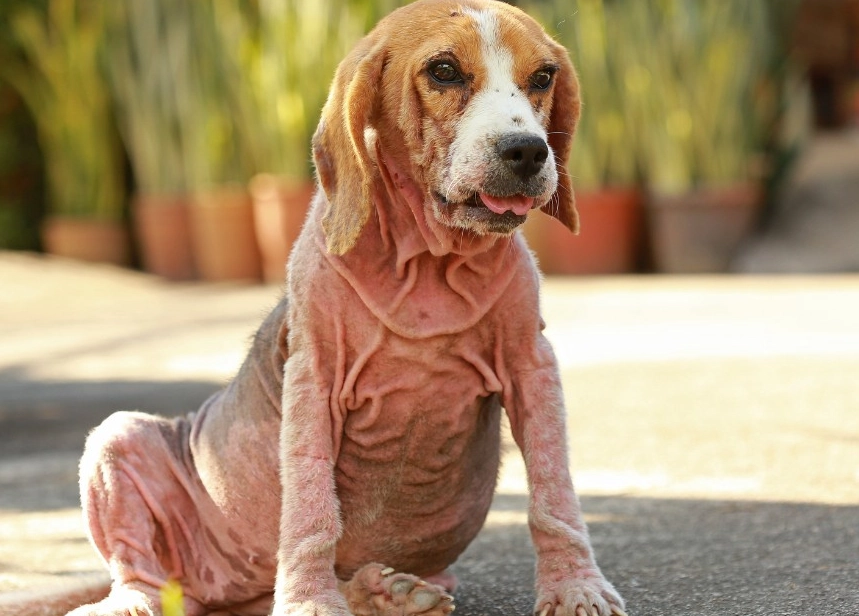
The confusion starts because people hear "mange" and think of one thing. In reality, the treatment, prognosis, and urgency depend entirely on which mite you're dealing with. Getting this wrong wastes time, money, and prolongs your dog's discomfort.
The Two Main Culprits: Demodectic vs. Sarcoptic Mange
This is the most important distinction you need to understand. Mixing these up is the biggest mistake I see.
Side-by-Side: Mange Symptoms Comparison
| Feature | Demodectic Mange (Red Mange) | Sarcoptic Mange (Scabies) |
|---|---|---|
| Primary Cause | Demodex canis mite (normally present) | Sarcoptes scabiei mite (highly contagious) |
| Key Symptom | Hair loss, bald patches, scaly skin. Itching is often mild or absent early on. | INTENSE, relentless itching. The "pinnal-pedal reflex" (dog scratches ear when you rub its edge) is a classic sign. |
| Common Locations | Face, around the eyes, front legs. Can be localized (small patches) or generalized (whole body). | Ear edges, elbows, hocks, belly, chest. Spreads rapidly. |
| Contagious? | Not contagious to other dogs or humans. Linked to immature or compromised immune systems. | Extremely contagious to other dogs, cats, and can cause temporary itchy rashes in humans (called "cercarial dermatitis"). |
| Typical Patient | Puppies (3-18 months), elderly dogs, or dogs with underlying health issues. | Any dog, often from shelters, dog parks, or contact with wildlife (like foxes). |
See the difference? A dog with demodex might just have a few bald spots and seem fine otherwise. A dog with sarcoptic mange looks miserable—they'll scratch, chew, and rub themselves raw, often losing sleep. The contagion factor is a huge deal. If it's sarcoptic, you need to act fast to protect your other pets and family.
How Is Mange Diagnosed and Treated?
You can't wing this. Proper diagnosis is non-negotiable. Don't rely on internet pictures.
The Diagnosis: More Than Just a Guess
Your vet will do a skin scraping. They'll take a small blade, gently scrape the skin until it's slightly pink (it's quick and minimal discomfort), and look at the debris under a microscope. Finding mites confirms mange and identifies the type.
Here's a nuance: Sarcoptes mites are sneaky and hard to find. A negative skin scrape doesn't always rule them out. If the symptoms and history strongly suggest scabies, your vet might recommend a "therapeutic trial"—treating for it anyway and seeing if the itching resolves.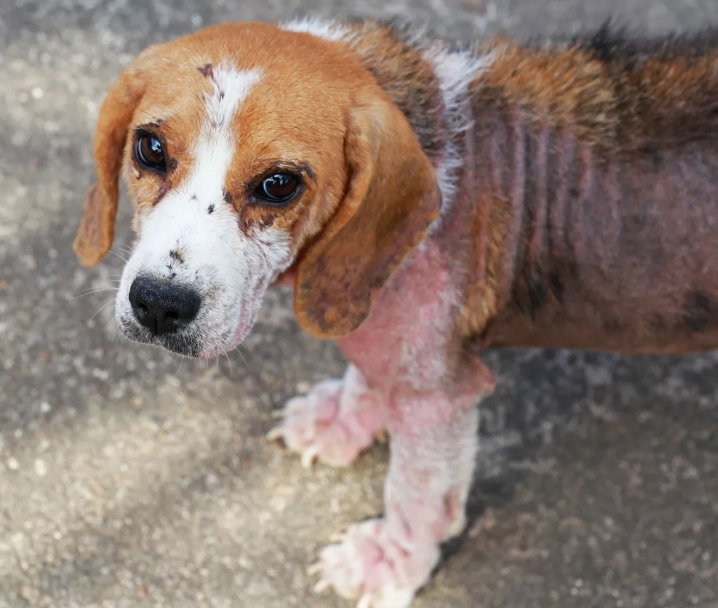
Vet-Approved Treatment Protocols
Forget old-school, toxic dips. Modern treatments are safer and more effective. The protocol depends entirely on the mite and the severity.
For Demodectic Mange:
Mild, localized cases in puppies often resolve on their own as the immune system matures. For generalized or persistent cases, treatment is needed. Common options include:
- Isoxazoline-class medications: Drugs like Bravecto (fluralaner), Simparica (sarolaner), or NexGard (afoxolaner). These are prescription flea/tick preventatives that also kill Demodex mites. Often given monthly or every 3 months. This has been a game-changer.
- Milbemycin oxime: A daily or weekly oral medication (like Interceptor).
- Topical Amitraz dips: An older, messier treatment. Less common now due to potential side effects and the availability of oral options.
For Sarcoptic Mange:
Treatment is mandatory and often involves multiple steps:
- Prescription Anti-Parasitics: The same isoxazoline drugs (Bravecto, Simparica) are highly effective against Sarcoptes. Your vet might also use a topical like Revolution (selamectin) applied every 2 weeks.
- Treat ALL Pets in the Household: Even if they aren't showing symptoms. This is crucial to prevent a ping-pong infection.
- Medicated Baths & Symptom Relief: Antibacterial/antifungal shampoos (like chlorhexidine) to tackle secondary infections. Your vet may prescribe anti-itch medication (Apoquel, Cytopoint) or steroids short-term to provide immediate relief from the maddening itch.

The Home Care Battle Plan
What you do at home supports the medical treatment.
- Environmental Decontamination: Critical for sarcoptic mange. Wash all bedding, blankets, and soft toys in hot water weekly. Vacuum carpets, furniture, and your car thoroughly and immediately throw away the vacuum bag. Mites can live off a host for a few days.
- Nutritional Support: Feed a high-quality diet to support skin health and immune function. Your vet might recommend omega-3 fatty acid supplements (fish oil).
- Limit Stress: Stress can weaken the immune system. Keep routines calm, especially for dogs with demodex.
- Bathing: Follow your vet's bathing schedule. Over-bathing can dry out the skin, under-bathing lets debris build up.

Can Mange Be Prevented?
For Demodectic Mange, prevention focuses on supporting a robust immune system. Breed responsibly—generalized demodex often has a genetic component. Don't breed dogs with a history of it. Keep puppies healthy with proper nutrition and vet care.
For Sarcoptic Mange, prevention is about avoiding exposure. Be cautious at dog parks, boarding facilities, and with unknown dogs. Many monthly heartworm/flea preventatives (like Simparica, Bravecto, Revolution) also prevent sarcoptic mange infestations, which is a massive advantage. Discuss this with your vet as part of your dog's wellness plan.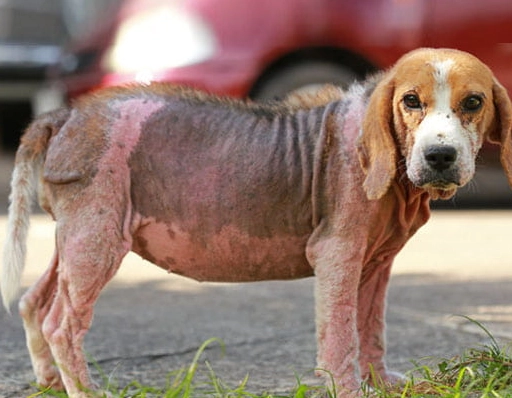
FAQ: Your Top Mange Concerns, Answered
I tried an over-the-counter mange shampoo from the pet store, and it didn't work. Why?
Can I get mange from my dog?
How long until my dog stops itching after starting treatment?
My dog's mange cleared up, but now it's back. What happened?
Are there any natural/home remedies for mange that work?
The key takeaway? Mange is treatable, but you need the right diagnosis first. Don't panic at the first sign of hair loss, but don't ignore relentless scratching. Get your vet involved early, follow their treatment plan to the letter, and be patient. Recovery takes time. With the right approach, you can get your dog's skin—and their happy, comfortable life—back on track.
Related Articles