Australian Shepherd Puppy Guide: Care, Training & What to Expect
Bringing home an Australian Shepherd puppy is like adopting a tiny, furry tornado of intelligence and energy. I remember when I got my first Aussie, Koda. I thought I was prepared because I'd had dogs before. I wasn't. This isn't your average puppy. They're thinkers, herders, and mischief-makers wrapped in a stunning merle coat. If you're here, you're probably either considering one or have just welcomed that wiggly bundle home. This guide cuts through the fluff and gives you the straight talk on Aussie puppy care, training, and the realities of life with a dog bred to work all day.
What’s Inside This Guide
Australian Shepherd Puppy 101: The Core Traits
Let's start with the breed's blueprint. According to the American Kennel Club, the Australian Shepherd is a herding dog of medium size and high intelligence. Forget the name—they were developed in the American West. That working heritage is everything. Your puppy isn't just being playful when it nips at your heels; it's practicing its genetic job.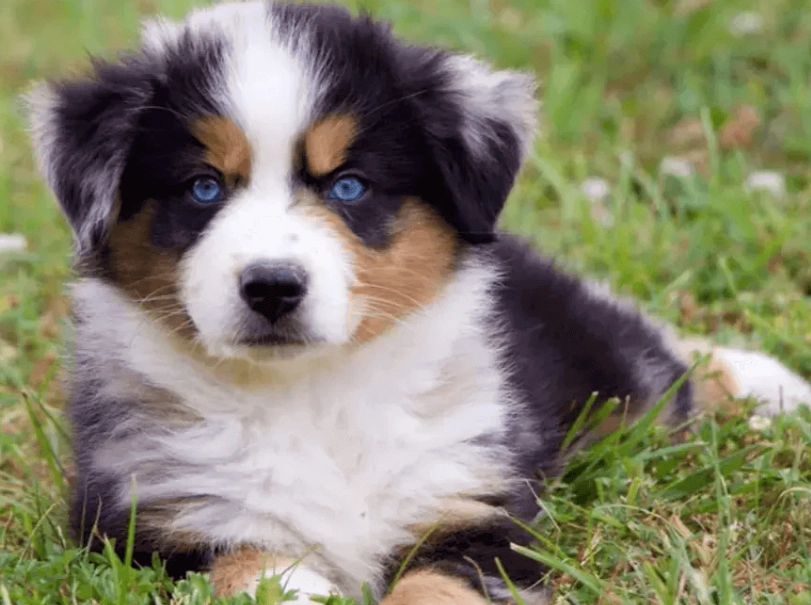
You'll notice a few things fast. The intelligence is staggering. They solve puzzles, learn commands in a handful of repetitions, and get bored even faster. Then there's the energy. A 20-minute walk? That's a warm-up. They need both physical and mental exercise daily. The famous Aussie stare—those intense, focused eyes—is a herding trait. They're watching and waiting for a cue, or for something to move so they can control it.
Mini Australian Shepherd Puppies: A Note on Size
You might be looking at "Mini Aussies." It's crucial to know that the AKC recognizes the Miniature American Shepherd as a separate breed. While similar in temperament, their smaller size can appeal to some owners. However, don't assume a mini means mini-energy. They often have the same drive and need for activity in a more compact package. Do your research with reputable breeders who health test.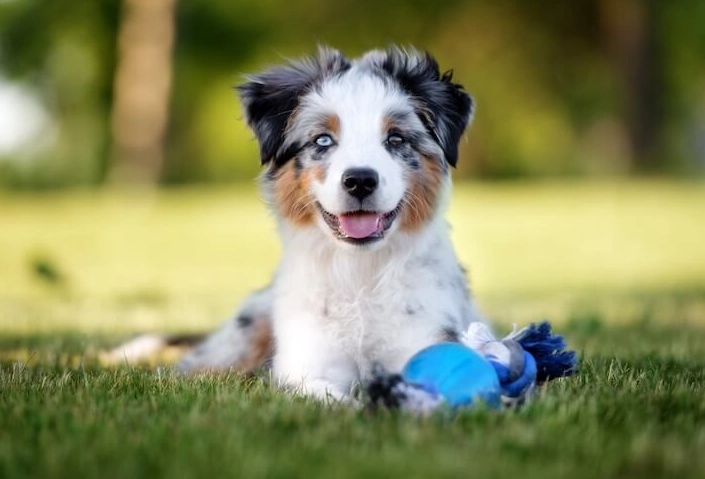
Your Aussie Puppy's First Weeks at Home
The first month sets the tone. Your goal is to build security, routine, and trust.
Puppy-Proofing is Non-Negotiable. Aussie pups are curious and mouthy. Electrical cords, houseplants, shoes, and small objects are all fair game. Use baby gates to limit access. Create a safe "puppy zone" with a crate, bed, water, and indestructible toys.
The Crate is Your Best Friend. I know crate training gets a bad rap sometimes, but for an Aussie, it's a life-saver. It prevents potty accidents when you can't supervise, keeps them safe, and satisfies their den instinct. Make it positive—feed meals in there, toss treats inside. Never use it as punishment. Start with short periods while you're home.
Setting a Schedule is more important than with many breeds. Aussies thrive on predictability. Feed, potty, play, nap—do it at roughly the same times each day. It reduces anxiety and speeds up housetraining. A sample 8-week-old puppy schedule might look like this:
| Time | Activity | Notes |
|---|---|---|
| 7:00 AM | Immediate Potty Break | First thing, no play first. |
| 7:15 AM | Breakfast in Crate | Followed by another potty break 15-20 mins later. |
| 8:00 - 9:00 AM | Supervised Play & Training | Short 5-min training session. |
| 9:00 AM | Potty, then Crate for Nap | Puppies sleep 18-20 hours a day. |
| 12:00 PM | Potty, Lunch, Potty, Play | Repeat the morning cycle. |
| 1:00 PM - 4:00 PM | Alternating Nap & Play Sessions | Prevents overtired crankiness. |
| 5:00 PM | Dinner, Potty, Evening Play | Gentle play, chewing time. |
| 8:00 PM | Last Big Play Session | Start winding down. |
| 10:00 PM | Final Potty Break, Bed in Crate | They may need a midnight break initially. |
How to Train Your Australian Shepherd Puppy
Training starts day one. Aussies are eager to work, so use that. Use high-value treats (small bits of chicken, cheese) and keep sessions under 5 minutes.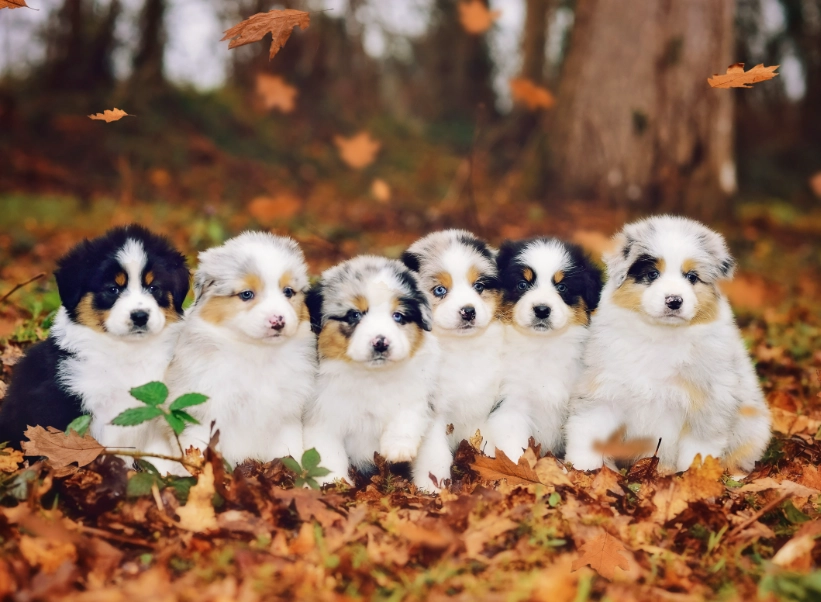
Priority One: Name, Sit, and Recall. Teach their name by saying it and treating when they look. "Sit" is usually easy. "Come" is the most important command for safety. Practice on a long leash in the yard, reward lavishly.
Potty Training relies on vigilance. Take them out after every nap, meal, drink, and play session. Use a consistent phrase like "Go potty." When they go outside, have a mini-party. If you catch them mid-accident inside, a sharp "Oops!" and immediately taking them outside is enough. Never rub their nose in it. Aussies are sensitive; harsh punishment breaks trust.
The Nipping and Biting Challenge. This is a huge pain point. Herding pups use their mouths. When those needle teeth grab your ankles or hands, it hurts. The common advice is to yelp and stop play. With my Aussie, that just made him more excited. What worked was immediate redirection. The moment teeth touched skin, I said "No bite," calmly offered a chew toy, and if he persisted, I got up and walked away behind a gate for 30 seconds. Biting = fun ends. Consistency from every family member is critical.
How to Socialize Your Aussie Puppy Properly
Socialization isn't just about meeting other dogs. It's about exposing your puppy to the world in a positive way before 16 weeks. A poorly socialized Aussie can become fearful, anxious, or reactive.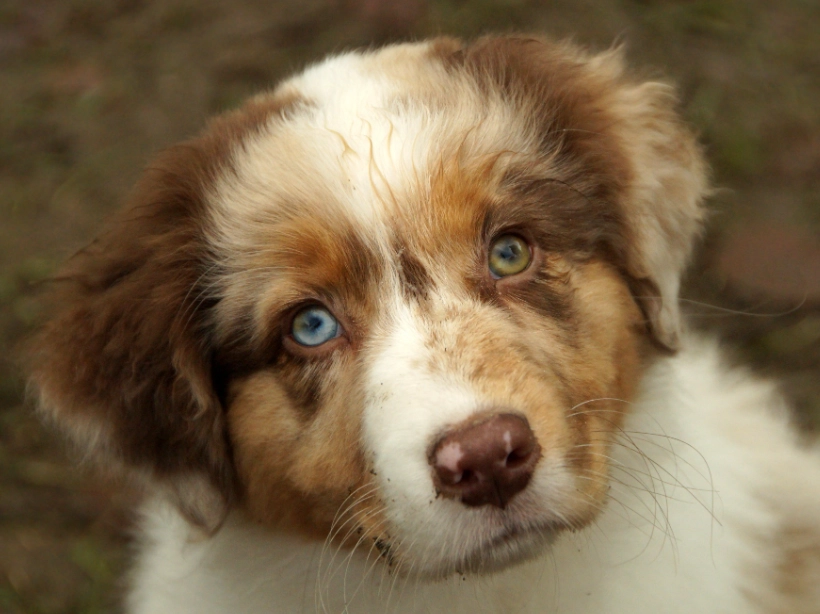
Don't just go to the dog park. That's overwhelming. Controlled exposure is key. Carry your puppy (before vaccinations are complete) to places like:
- Outdoor cafes (sit at a distance)
- Hardware stores (many are pet-friendly)
- Quiet parks to watch people and bikes
- Friends' houses with calm, vaccinated dogs
Introduce them to different surfaces (grass, gravel, tile), sounds (vacuum, doorbell, traffic), and people (men with hats, children, people using canes). Pair every new experience with treats and praise. The goal is for them to think, "New thing? That probably means good things happen."
Aussie Puppy Health and Nutrition
Feed a high-quality puppy food formulated for medium to large breeds. This supports controlled growth. Aussies are prone to certain genetic conditions, which is why buying from a reputable breeder who tests parents is vital. Common screenings include:
- Hip and Elbow Dysplasia: X-rays evaluated by the Orthopedic Foundation for Animals (OFA).
- Eye Conditions: Annual exams by a veterinary ophthalmologist certified by the American College of Veterinary Ophthalmologists (ACVO).
- MDR1 Gene Mutation: A simple cheek swab test. Dogs with this mutation can have severe reactions to common drugs. Know your puppy's status.
Stick to the feeding guide on the bag, but adjust based on your pup's body condition. You should be able to feel their ribs but not see them. Aussie puppies grow quickly, so regular vet check-ups are essential.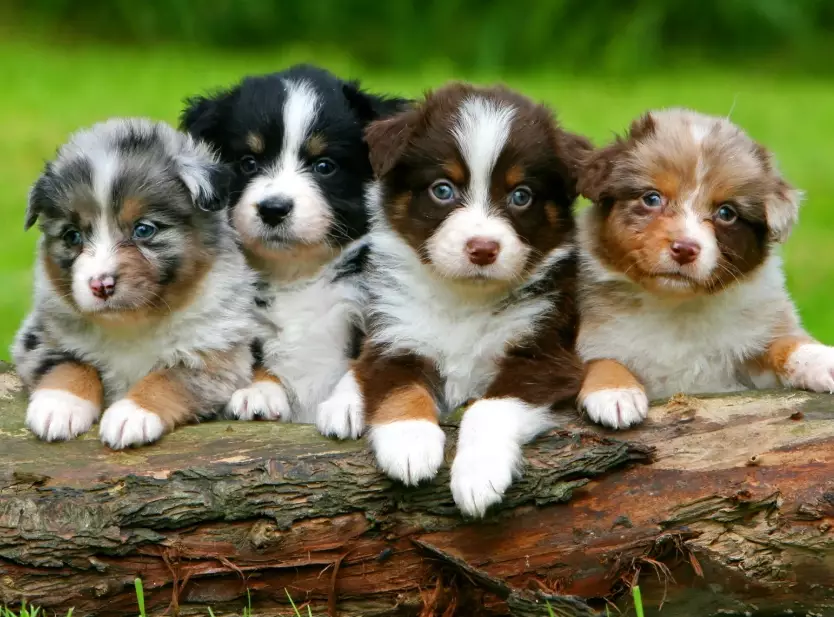
Common Mistakes New Aussie Owners Make
After raising a few and talking to countless owners, I see the same patterns.
Mistake 1: Underestimating Mental Exercise. A tired body is good, a tired brain is better. A 30-minute sniffing walk or a 10-minute training session can be more exhausting than an hour of fetch. Use puzzle feeders, hide treats, teach new tricks weekly.
Mistake 2: Not Teaching an "Off Switch." Aussies can go and go. You must teach them to settle. Practice "place" or "mat" training. Reward calm behavior. If you only engage when they're hyper, you reinforce hyperactivity.
Mistake 3: Skipping Leash Training Early. A strong, pulling 50-pound adolescent Aussie is no joke. Start leash manners inside the house with no distractions. Make walking next to you the most rewarding place to be.
Mistake 4: Misreading the Herding. Chasing bikes, kids, or cats isn't "just playing." It's hardwired behavior. Manage it with leashes and fences, and redirect it to appropriate activities like fetch or herding ball play.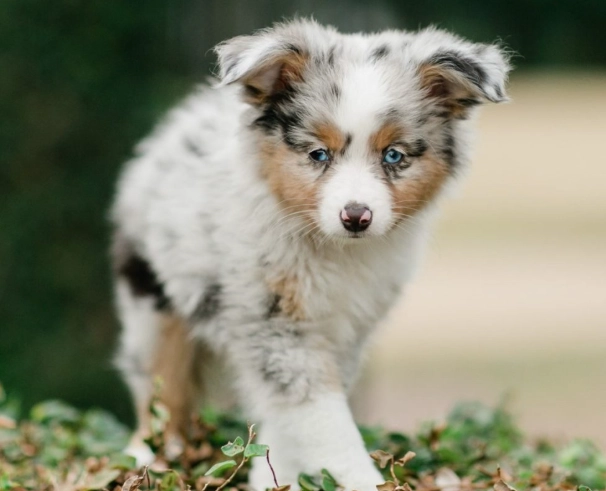
Your Australian Shepherd Puppy Questions Answered
Raising an Australian Shepherd puppy is a project. It demands time, patience, and a sense of humor. There will be chewed furniture, escaped yard attempts, and moments of sheer frustration. But there will also be unparalleled loyalty, hilarious problem-solving, and a bond with a dog that truly feels like a partner. Do the work in these first months—the socialization, the training, the bonding—and you'll be rewarded with an incredible companion for years to come.
Related Articles