The Catnip Effect: What It Does to Cats & How to Use It Safely
You've seen the videos. A normally aloof cat sniffs a green herb, and within seconds, they're rolling, rubbing, purring, and zooming around the room like a kitten. That's the power of catnip. But what's actually happening inside your cat's head and body? Is it safe, or a form of feline drugs? As someone who's been observing cats and their quirks for over a decade, I've seen the full spectrum of reactions—from utter bliss to complete indifference. Let's cut through the myths and look at the science and practical realities of what catnip does to cats.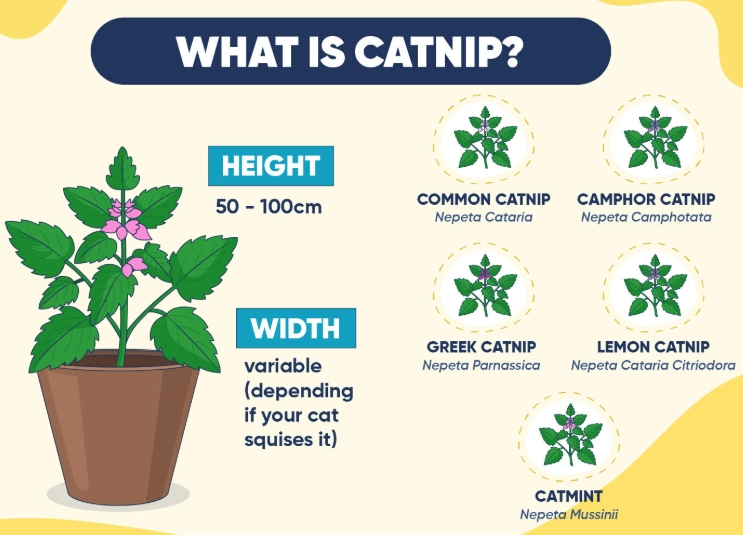
What You'll Learn in This Guide
- The Science Behind the Sniff: How Catnip Works
- The Roll, Rub, and Zoom: Common Catnip Reactions Explained
- Why Some Cats Don't Care: The Genetics of Catnip Immunity
- Beyond the High: Practical Uses for Catnip in Your Home
- Safety First: Dosage, Frequency, and Potential Side Effects
- Beyond Nepeta: Silver Vine and Other Catnip Alternatives
- Your Catnip Questions, Answered
The Science Behind the Sniff: How Catnip Works
Catnip (Nepeta cataria) is a member of the mint family. The magic isn't in the leaves themselves, but in an oily chemical compound within them called nepetalactone. This is the key that unlocks the strange behavior.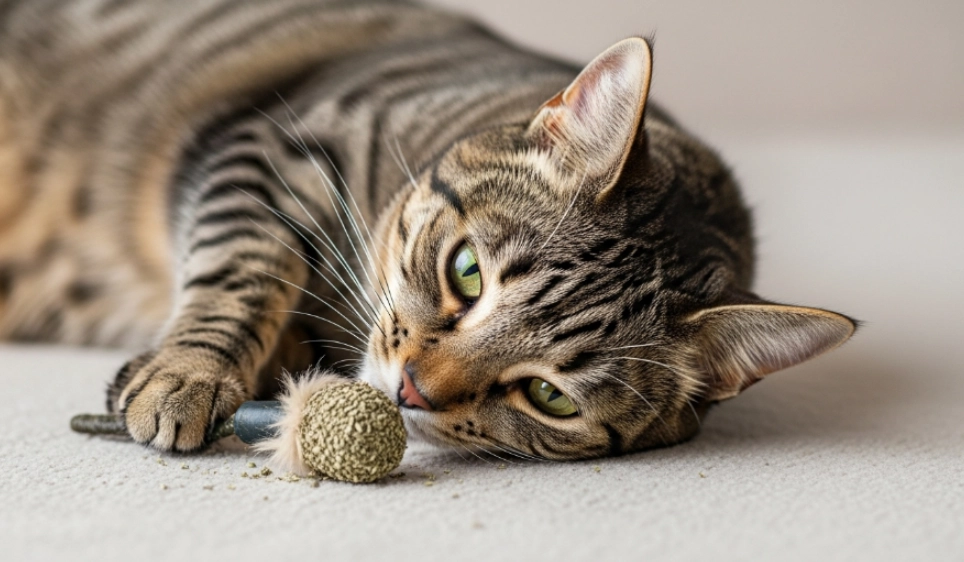
Here's the process: When your cat sniffs (not eats) catnip, the nepetalactone vapor enters their nasal passages and binds to protein receptors in the sensory cells lining the nose. These receptors stimulate sensory neurons that lead directly to specific regions of the brain.
Critically, these brain regions include the amygdala (which processes emotions) and the hypothalamus (the brain's "pleasure center," which regulates everything from hunger to sexual response). The hypothalamus essentially gets a signal that mimics feline pheromones, triggering a behavioral and emotional response that looks a lot like a reaction to sexual hormones. Research from institutions like the National Center for Biotechnology Information supports this neurochemical pathway.
It's not an allergy or an illness. It's a hardwired, instinctual response to a specific chemical trigger. The effect is temporary and harmless for responsive cats, typically lasting between 5 to 15 minutes. After that, the cat becomes temporarily immune to its effects for about 30 minutes to a few hours.
The Roll, Rub, and Zoom: Common Catnip Reactions Explained
Not every cat reacts the same way, but there's a common playlist of behaviors. You might see one or a combination of these:
- Sniffing & Licking: The initial investigation. They'll often bury their nose in it.
- Head Shaking & Chin/Cheek Rubbing: They're trying to spread the scent on themselves, marking the object (and themselves) with the "good" smell. It's a possessive, blissful act.
- Rolling & Flipping: The classic sign. They'll roll on their back, wiggle, and flip over. This is often associated with female cats in heat, reinforcing the pheromone-link theory.
- Vocalizing: Increased meowing, chirping, or purring.
- Playful "Zoomies": Sudden, frantic running, leaping, and batting at imaginary objects. It's a burst of playful energy.
- Drooling: Less common, but some cats will drool a bit during the peak of the experience.
- Lethargy & Sleep: After the active phase, many cats crash into a calm, relaxed, or sleepy state. If they ingest a lot, they might skip the frenzy and go straight to this sedated phase.
Think of it as a short, intense mood elevator followed by a gentle comedown.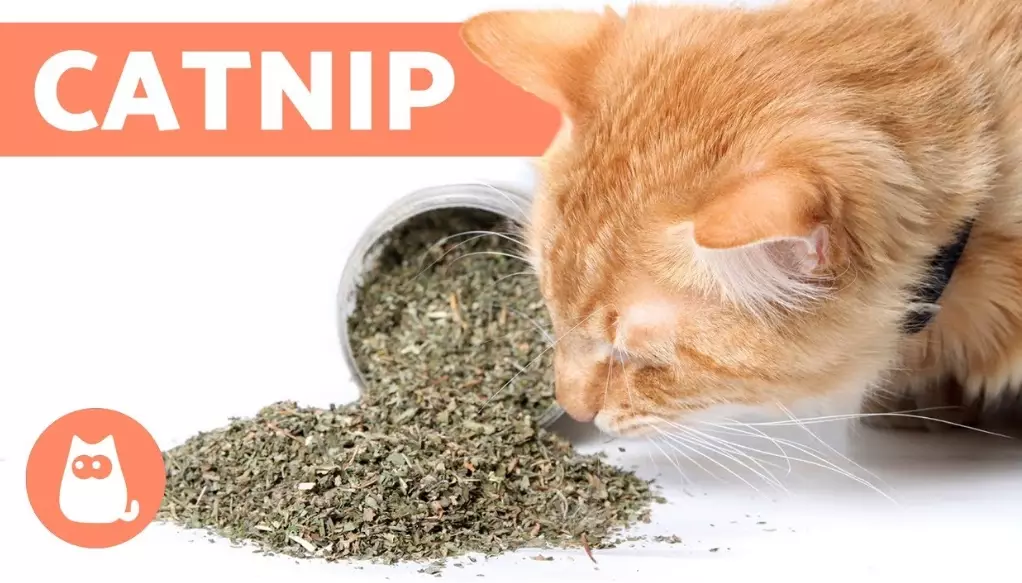
Why Some Cats Don't Care: The Genetics of Catnip Immunity
Here's a fact that surprises many: about 30-50% of cats are completely unaffected by catnip. It's not about quality; it's about genetics. The sensitivity to nepetalactone is a hereditary, autosomal dominant trait. A cat needs to inherit just one copy of the responsive gene from a parent to feel the effects.
Kittens under 3-6 months old also typically don't react, even if they have the gene. The response seems to mature with sexual maturity. So, if your new kitten ignores catnip, try again in a few months.
There's also no clear link between breed, gender, or personality and catnip sensitivity. It's a genetic lottery.
Beyond the High: Practical Uses for Catnip in Your Home
Catnip isn't just a party trick. Used strategically, it's a powerful tool for cat enrichment, training, and even problem-solving. I've used it for years to help cats adjust to new environments and toys.
| Use Case | How-To & Tips | Why It Works |
|---|---|---|
| Encouraging Play & Exercise | Sprinkle a pinch on a scratching post, a new toy, or a cat tree. Rub dried catnip on the surface of a wand toy. | Makes stationary objects irresistible, promoting healthy activity and preventing boredom. |
| Scratching Post Training | Liberally rub dried catnip or spray liquid catnip on the sisal portion of the post. Reapply weekly. | Creates a positive association, directing natural scratching instincts to the appropriate place. |
| Reducing Anxiety & Stress | Use catnip-filled toys or a light spray in carriers, on bedding in a new home, or near calming diffusers (like Feliway). | The post-frenzy relaxation phase can help mellow a stressed cat. Note: Test first, as some cats become more agitated. |
| Boosting Appetite | Sprinkle a tiny amount of dried catnip on top of a reluctant eater's food. | The stimulating scent can trigger interest in food. The sedative effect from ingestion may also calm a nervous stomach. |
| Introducing New Spaces | Place catnip toys or sprinkle herb in a new cat bed, a catio, or a previously unused room. | Makes the new area seem fun and appealing, encouraging exploration. |
Choosing the Right Form of Catnip
You'll find it in several forms, each with pros and cons.
- Dried Loose Leaf: The classic. Most potent, great for sprinkling. Look for organic, greenish leaves with strong scent. Store in an airtight container in the freezer to preserve oils.
- Spray (Liquid Extract): Convenient, less messy. Good for spraying on toys or posts. Potency varies wildly—some are great, others are basically scented water. Check reviews.
- Stuffed Toys: Easy and fun, but the catnip inside often loses potency quickly. I recommend ones with a zipper to refresh the herb.
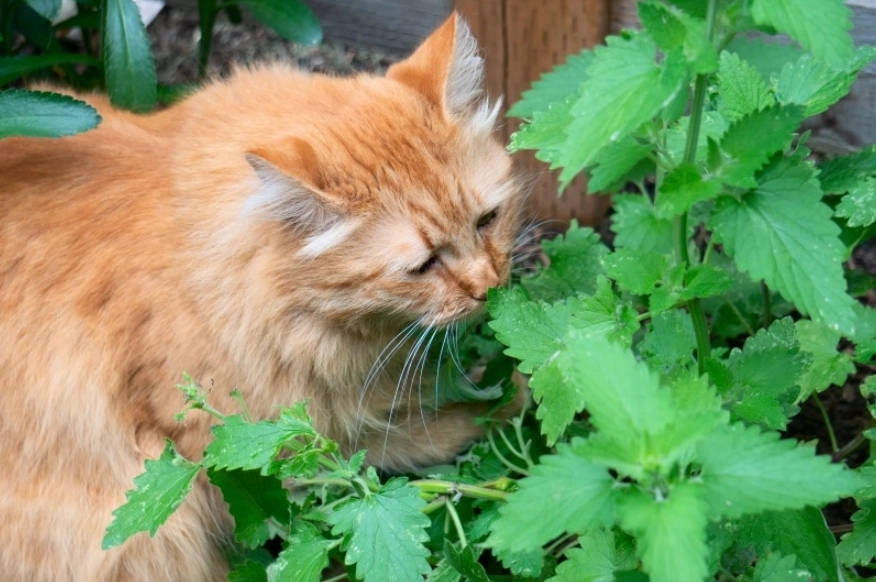
- Fresh Plant: You can grow it yourself. Some cats prefer the fresh leaves. It's less concentrated than high-quality dried stuff.
Safety First: Dosage, Frequency, and Potential Side Effects
Is catnip safe? For the vast majority of adult cats, yes, it is non-addictive and non-toxic. However, "safe" doesn't mean "unlimited." Moderation is key.
Dosage: A pinch (about a teaspoon) of dried catnip is more than enough. You don't need to create a mountain of it. For sprays, a couple of spritzes will do.
Frequency: To prevent habituation (where the effect weakens), limit exposure to once a week or less. I use it as a special weekend treat or a training aid, not a daily supplement.
Potential Side Effects & When to Avoid:
- Overstimulation: In rare cases, a cat can become aggressive, anxious, or overly hyper. If your cat seems distressed, remove the catnip and provide a quiet space.
- Digestive Upset: Eating large amounts can cause vomiting or diarrhea. This is why you control the portion.
- Avoid for: Pregnant queens (the stimulation might stress them), cats with a history of seizures (theoretical risk, evidence is anecdotal but caution is wise), and obviously, cats who react poorly.
The biggest mistake I see? Owners thinking more catnip equals more fun. It doesn't. It can lead to a overwhelmed cat and a wasted supply.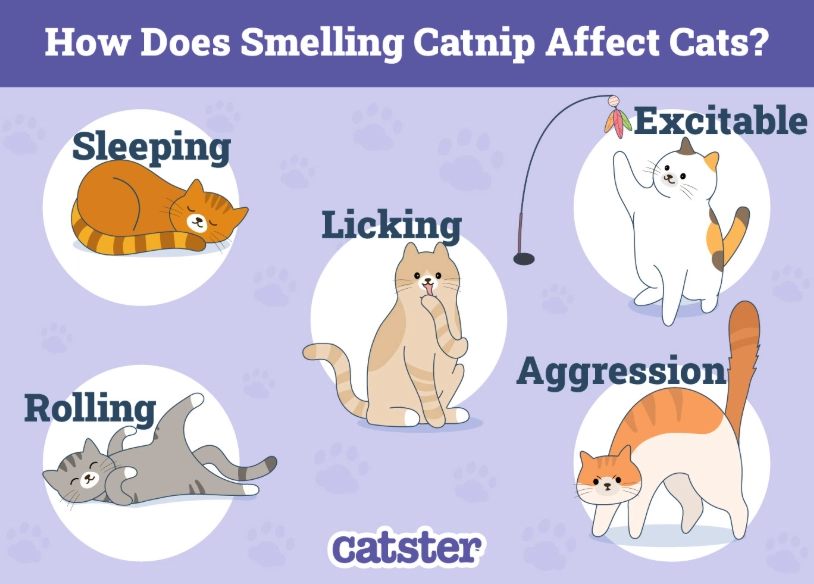
Beyond Nepeta: Silver Vine and Other Catnip Alternatives
If your cat is part of the non-responsive 50%, don't despair. Other plants can produce similar, sometimes even stronger, effects.
- Silver Vine (Actinidia polygama): Often called "catnip for cats who hate catnip." Studies suggest up to 80% of cats respond to it, including many who ignore catnip. It contains different active compounds (actinidine and dihydroactinidiolide). You can find it as powder, sticks, or in toys.
- Tatarian Honeysuckle (Lonicera tatarica): The wood shavings or berries can elicit a response in some cats. Ensure it's the correct, non-toxic species.
- Valerian Root: Has a strong, often sedative effect on cats (and famously, the opposite on humans). The smell is potent and earthy—some humans hate it.
Always introduce any new plant material in a small amount and under supervision.
Your Catnip Questions, Answered
 How can I tell if my cat's catnip toy is still potent, or if I need to replace the filling?
 So, what does catnip do to cats? It's a temporary, harmless, and genetically-determined trip to euphoria town, followed by a relaxing nap. It's a tool—not a toy—that, when used thoughtfully, can enrich your cat's life, encourage good habits, and provide you with a window into their fascinating sensory world. Just remember the golden rules: a little goes a long way, not all cats are invited to the party, and always watch their individual reaction.
Related Articles