Cat-Safe Flowers: A Complete Guide to Pet-Friendly Blooms
Navigate This Guide
- Why Can't My Cat Just Leave the Flowers Alone?
- The Green Light List: Flowers That Are Non-Toxic for Cats
- The Red Alert List: Common Flowers That Are Dangerously Toxic to Cats
- How to Safely Enjoy Flowers in a Cat Home: Practical Tips Beyond the List
- Answering Your Burning Questions About Cats and Flowers
- Building a Cat-Safe Floral Haven: A Final Thought
Let's be real for a second. You love your cat. You also love having a bit of color and life from flowers around the house. But trying to combine those two loves can feel like navigating a minefield. One wrong plant choice, and you're facing a potential vet emergency. I've been there – the panic after catching my cat, Whiskers, nibbling on a bouquet gift before I could check it. It's not a fun feeling.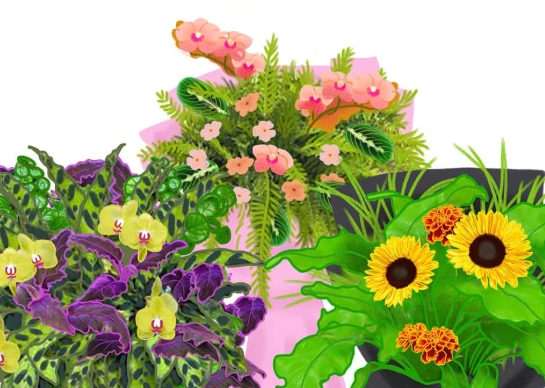
That's why I spent way too much time digging into this, talking to vets, and cross-referencing lists from places you can actually trust. This isn't just another generic list. We're going to talk about truly cat safe flowers, the ones that are absolute no-gos, and more importantly, how to live with both cats and plants peacefully. Because you shouldn't have to choose.
The Core Idea: Finding flowers safe for cats is about more than a list. It's about understanding feline curiosity, knowing the specific dangers, and creating a home that's beautiful and safe. This guide aims to be your one-stop resource for exactly that.
Why Can't My Cat Just Leave the Flowers Alone?
It's not malice. Cats are curious by nature, driven by instinct. Some are attracted to the movement of leaves, others might be seeking fiber or trying to induce vomiting if they have a hairball. Sometimes, they just like the texture. Assuming your cat will "know better" is a gamble with their health. The responsibility is on us to provide a safe environment, and that starts with knowing what's safe to bring in.
And look, not every cat is a plant-muncher. My other cat, Socks, ignores greenery completely. But it only takes one incident. It's easier to be safe than sorry, and honestly, knowing which flowers are safe for cats opens up more options than you might think.
The Green Light List: Flowers That Are Non-Toxic for Cats
Here's the good news. There's a solid variety of beautiful, common flowers that are considered non-toxic to cats by authoritative sources like the ASPCA Animal Poison Control Center. "Non-toxic" generally means ingestion is unlikely to cause more than mild, self-limiting gastrointestinal upset (think a bit of drooling or an isolated vomit). But remember, any plant material can cause a mild stomach upset in some animals.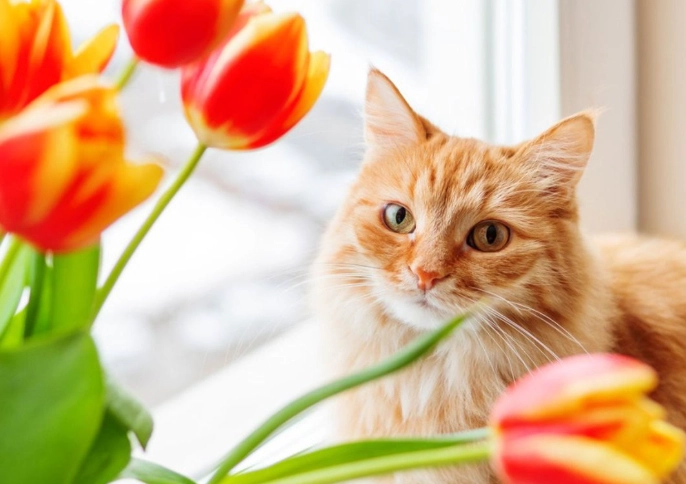
A quick personal rule: Even with "safe" plants, I try to keep them out of direct reach if possible. It saves the plant from being shredded and prevents any potential, albeit minor, tummy trouble for the cat. It's just cleaner for everyone.
Let's break down some of the most popular and accessible non toxic flowers for cats you can actually find at florists or grow yourself.
Popular Cut Flowers That Are Cat-Safe
These are the stars of the bouquet world and safe bets.
- Roses: Classic, beautiful, and perfectly safe. Just watch for the thorns! Some cats might be tempted by the leaves, but the plant itself is non-toxic.
- Orchids (especially Phalaenopsis and Cattleya): Elegant and surprisingly resilient. They're a fantastic, long-lasting option for a cat household. The ASPCA lists most common orchids as safe.
- Snapdragons: Fun, colorful spires that add great height to arrangements. Totally safe.
- Sunflowers: Big, cheerful, and harmless. Just make sure they're not treated with pesticides.
- Lisianthus: These look like delicate roses or peonies and are a florist favorite. A gorgeous and safe choice.
- Freesia: Wonderful fragrance and safe for kitties. A win-win.
- Gerbera Daisies: Vibrant, happy flowers that are perfectly pet-friendly.
- Brazilian Orchid (Sophronitis): Another orchid variety that's on the safe list.
- Camellia: Beautiful waxy flowers, safe for cats.
- Waxflower (Chamelaucium): A great filler flower with tiny blooms, often used in bouquets. It's safe.
Safe Flowering Plants for Pots and Gardens
Want to grow your own? These are great choices.
- African Violets: The perfect compact, flowering houseplant for a sunny windowsill. Fuzzy leaves and cute flowers, completely safe.
- Begonia (Non-tuberous varieties, like Wax Begonias): Important distinction here. Common wax begonias (Begonia semperflirens) are generally considered non-toxic. However, tuberous begonias can be more problematic. When in doubt, check the specific type or choose another plant.
- Boston Ferns / True Ferns: Lush, green, and safe. They add wonderful texture. (Note: Asparagus Fern is NOT a true fern and is toxic).
- Polka Dot Plant (Hypoestes): Grown for its brightly spotted foliage, it sometimes sends up small purple flowers. A colorful and safe choice.
- Spider Plant: Not really a "flower" but it produces small white blooms and is famously non-toxic. Cats often love batting at the "spiderettes," making it a great interactive, safe plant.
- Most Herbs When in Flower: Rosemary, thyme, basil, and dill are safe when they bolt and flower. Catnip and catmint are, of course, feline favorites and safe (though they might cause a temporary frenzy!).
| Flower Name | Type (Cut/Garden) | Key Notes & Tips |
|---|---|---|
| Roses | Cut & Garden | Thorns are the main hazard. Opt for spray roses or remove thorns for arrangements. |
| Orchids (Phalaenopsis) | Potted Plant | Thrives in indirect light. Keep out of reach to protect delicate flowers from playful paws. |
| Gerbera Daisy | Cut & Garden | Bright and cheerful. Keep vase water fresh, as ingested bacteria from stale water can cause issues. |
| African Violet | Potted Plant | Ideal indoor plant. Water from the bottom to avoid crown rot and keep leaves dry. |
| Spider Plant | Potted Plant | May have a mild hallucinogenic effect on cats (like catnip), but is non-toxic. Often ends up as a chew toy. |
| Snapdragon | Cut & Garden | Adds height. Fun for kids and safe for pets. |
See? The list of flowers safe for cats is actually pretty decent. You can still have lovely arrangements.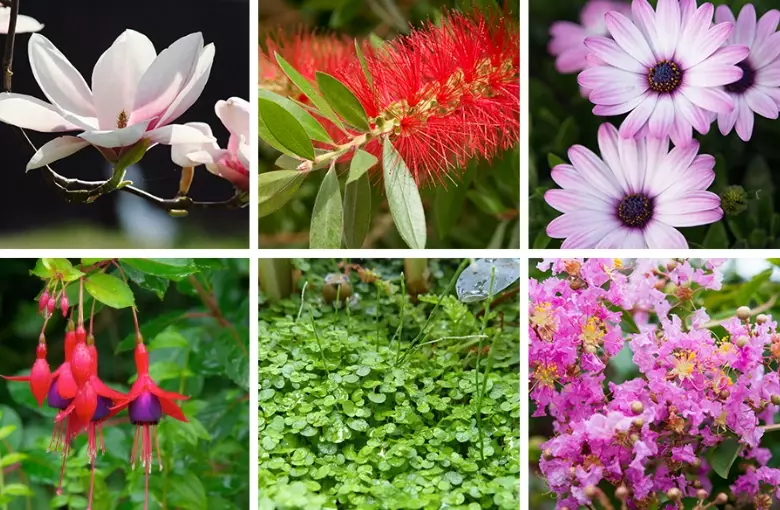
The Red Alert List: Common Flowers That Are Dangerously Toxic to Cats
This is the critical part. Some flowers are so common in bouquets and gardens that their danger is underestimated. Ingestion of even small amounts of these can lead to severe illness or death. I cannot stress this enough: if you have cats, it's best to treat these as forbidden. Don't bring them in the house. Ever.
Immediate Action Required: If you suspect your cat has ingested any part of a toxic plant, contact your veterinarian or the ASPCA Animal Poison Control Center (888-426-4435) immediately. Time is critical. Do not wait for symptoms to appear.
The Most Dangerous Offenders
- Lilies (Lilium and Hemerocallis species): This is the number one, most important flower to know. True lilies (Easter Lilies, Tiger Lilies, Asiatic Lilies, Daylilies, etc.) are extremely toxic. All parts of the plant are poisonous, including the pollen and the water in the vase. Ingesting even a few grains of pollen or a small leaf fragment can cause acute kidney failure in cats. This is not an exaggeration. Many vets consider lilies to be one of the most severe plant toxicities. If you get a bouquet, check for lilies and remove them entirely before bringing it home.
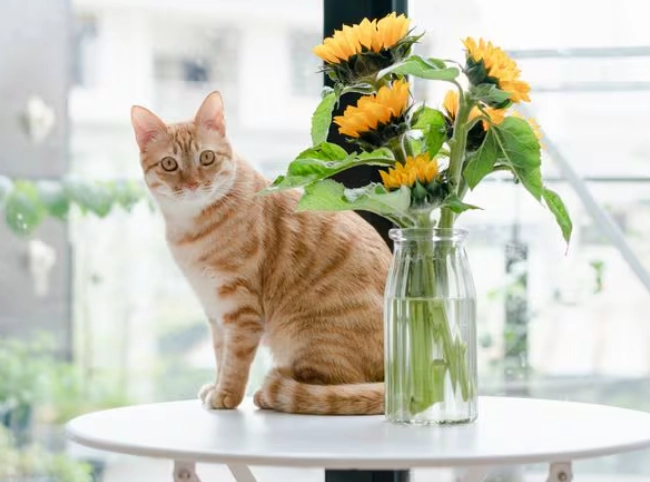
I know they're beautiful. But they are not worth the risk. Just don't.
- Tulips & Hyacinths: The bulbs are the most toxic part, but all parts of the plant contain allergenic lactones which can cause intense vomiting, depression, diarrhea, and hypersalivation.
- Daffodils (Narcissus): Again, the bulb is most dangerous, but the whole plant contains lycorine and other alkaloids, causing severe vomiting, diarrhea, abdominal pain, and even cardiac arrhythmias or respiratory depression.
- Azaleas & Rhododendrons: Contain grayantoxins which can disrupt sodium channels, leading to vomiting, diarrhea, weakness, cardiac failure, and potentially coma.
- Oleander: Extremely toxic in all parts. Contains cardiac glycosides that affect the heart. Even a single leaf can be lethal to a small animal.
- Sago Palm: While not a flower, it's a common ornamental plant. All parts are toxic, especially the seeds (nuts), causing liver failure and death.
- Chrysanthemums: These contain pyrethrins, which can cause vomiting, diarrhea, hypersalivation, and lack of coordination. They're a common autumn flower, so be vigilant.
- Peace Lily (Spathiphyllum): Mildly to moderately toxic. Contains calcium oxalate crystals which cause intense oral irritation, drooling, vomiting, and difficulty swallowing. It's painful but usually not life-threatening with prompt care.
- Dieffenbachia (Dumb Cane): Similar to Peace Lily, causes severe oral irritation and swelling.
- Kalanchoe: A common succulent with cute flowers, it contains cardiac glycosides and can cause vomiting, diarrhea, and heart arrhythmias.
The takeaway? Learn to identify lilies, tulips, and daffodils. When in doubt, look it up before you buy. A quick search on your phone can prevent a disaster.
How to Safely Enjoy Flowers in a Cat Home: Practical Tips Beyond the List
Knowing the lists is step one. Living with them is step two. Here’s how I make it work.
Strategic Placement is Your Best Friend
Cats are incredible jumpers and climbers, but they have their limits. Use vertical space they don't frequent.
- High, Stable Shelves: Mount floating shelves high on walls, away from launch points like sofas or cat trees. Make sure the shelf is deep enough so a vase can't be easily batted off.
- Closed Rooms: A home office or a room the cat rarely goes into can become your floral display area. Just keep the door shut.
- Hanging Planters: For trailing plants or smaller pots, a secure hanging planter from the ceiling is often out of reach. Ensure the hook is rated for the weight.
- Glass Cloches or Terrariums: These are beautiful and create a physical barrier. Perfect for a special orchid or a small arrangement.
Choosing and Preparing Bouquets
When you buy a bouquet, you're often buying a mystery mix unless you specify.
- Order from Pet-Friendly Florists: Some florists now specialize in or offer pet friendly plant arrangements. Specify you have cats when ordering.
- Build Your Own: At the grocery store or farmer's market, pick individual stems from the safe list. A bunch of roses, snapdragons, and waxflower looks fantastic.
- Inspect Thoroughly: Before the bouquet enters your main living space, strip out any filler greens like ivy (often toxic) or questionable flowers. Check for lily stamens that might have shed pollen into other flowers.
- Secure the Vase: Use a heavy, wide-bottomed vase that's hard to tip. You can even use museum putty under the base for extra security on a shelf.
- Change Water Frequently: Stagnant vase water grows bacteria that can make your cat sick if they drink it. Change it daily.
Deterrents (Your Mileage May Vary)
Some people swear by these; others find their cat couldn't care less. It depends on your cat's personality.
- Texture Deterrents: Placing aluminum foil, double-sided sticky tape, or plastic carpet runner (nub-side up) around the base of a plant can deter some cats.
- Smell Deterrents: Citrus peels (oranges, lemons) or sprays with citrus scents are disliked by most cats. A few peels around the pot can help. Never use essential oils directly around cats, as many are toxic.
- The "Offering a Better Alternative" Strategy: This is my preferred method. Provide approved, attractive greens for them to chew. Pots of cat grass (wheatgrass or oat grass) are cheap, easy to grow, and give them a safe outlet for their grazing instinct. Place it near their favorite lounging spot.
I grow a pot of wheatgrass on the windowsill. Whiskers chews it happily and now largely ignores my other plants. It's like a peace offering that actually works.
Answering Your Burning Questions About Cats and Flowers
Let's tackle some specific questions that pop up all the time.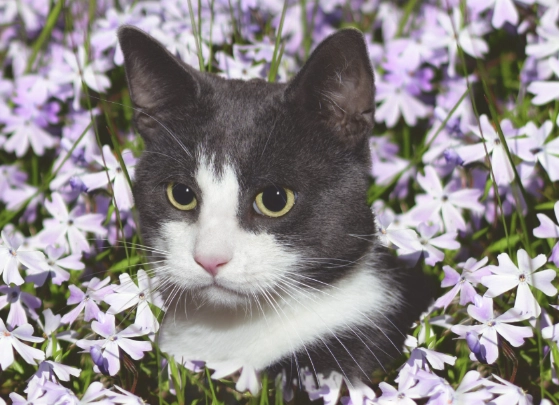
Building a Cat-Safe Floral Haven: A Final Thought
Creating a home that includes both your feline friend and beautiful botanicals is completely achievable. It just requires a shift from passive to active plant ownership. You become a curator, carefully selecting from the wonderful array of flowers safe for cats.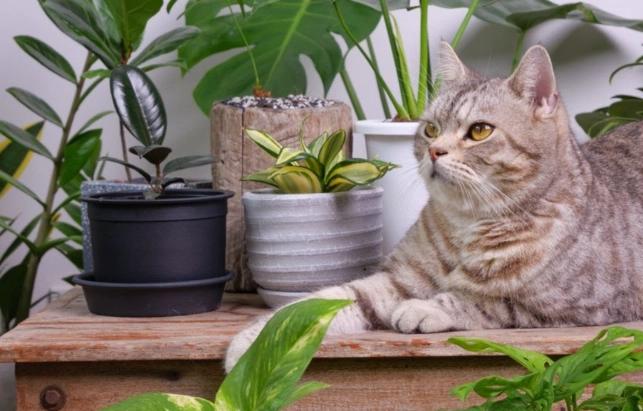
Start by auditing what you currently have. Identify anything dangerous and rehome it (to a non-pet household) or place it in a completely inaccessible location. Then, make a shopping list from the safe list above. Maybe it's time for a gorgeous orchid, a pot of vibrant African violets, or a simple, sunny bouquet of gerbera daisies and roses.
The peace of mind that comes from knowing your decor isn't a hidden danger to your pet is worth far more than any forbidden lily. Your cat gets a safe home, and you get to enjoy the beauty and serenity that flowers bring. That's a win-win in my book.
Now go forth and make some lovely, safe arrangements. Your cat (and your peace of mind) will thank you for it.
Related Articles