Fading Kitten Syndrome: A Vet's Action Plan to Save Newborn Kittens
You're checking on the new litter, and one kitten just feels… off. It's not nursing with the same vigor. It feels cooler than its siblings. Maybe it's crying weakly or lying away from the pile. Your stomach drops. This is often the first, subtle sign of Fading Kitten Syndrome (FKS), a critical emergency in neonatal kittens. It's not a single disease but a collection of life-threatening symptoms. Time is the enemy. In my years as a veterinarian, I've seen too many kittens lost because caregivers didn't recognize the signs early enough or knew what to do in those first crucial hours. This guide isn't just a list of symptoms; it's the step-by-step action plan I wish every cat foster and breeder had on their fridge.
What You'll Find in This Guide
What is Fading Kitten Syndrome Really?
Let's clear something up first. Fading Kitten Syndrome isn't a diagnosis you get from a lab test. It's a clinical term vets use for any newborn kitten (under 4 weeks old) that's failing to thrive and is at high risk of dying. Think of it as a distress flare. The kitten's body is shutting down non-essential functions because it can't maintain its basic life support systems—warmth, blood sugar, and hydration.
The most critical window is the first week of life. Up to 30% of kittens may not survive this period, and FKS is a leading cause, according to data compiled by feline health organizations. It's brutal and fast. A kitten can go from seeming okay to being beyond help in under 12 hours. That's why passive observation is a recipe for disaster. You need to move to active intervention at the first hint of trouble.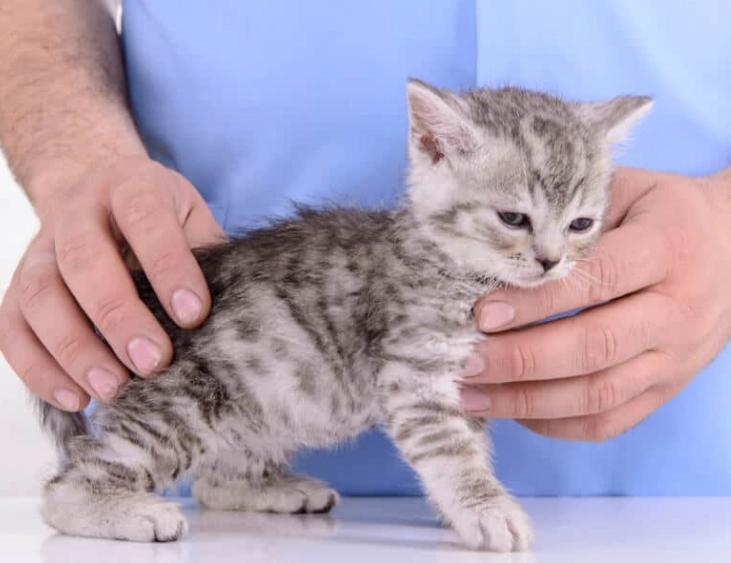
Spotting the Signs: The FKS Symptom Checklist
Don't wait for a kitten to be limp and unresponsive. By then, the odds are stacked against you. You need to be a detective, looking for the early warnings. Weigh your kittens daily with a digital kitchen scale (in grams). Failure to gain weight, or worse, weight loss, is the single most objective early sign.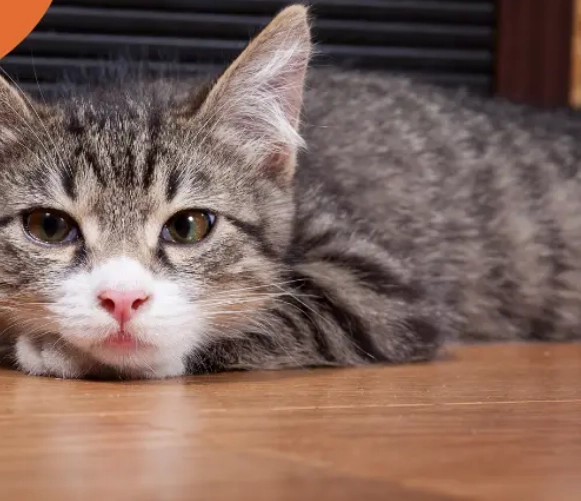
Beyond the scale, here’s what to watch for, progressing from early to late stage:
| Stage | Physical Signs | Behavioral Signs |
|---|---|---|
| Early Warning | Feels slightly cooler to touch than siblings. Minimal weight gain ( | Less active during feeding times. May be last to latch on. Sleeps slightly apart from the litter. |
| Progressing | Definitely cold (belly feels cool). Obvious dehydration (skin tenting, dry gums). Weak muscle tone (feels "floppy"). | Constant weak crying. Doesn't root for the nipple. May be pushed away by mom or siblings. |
| Critical | Body cold to the touch. Gums are pale or bluish. Severely dehydrated. Labored breathing or gasping. | Completely limp and unresponsive. No crying or movement. Unable to suckle at all. |
If you see any signs from the "Progressing" stage, it's time to start the emergency protocol immediately. Do not "wait and see."
The 5 Most Common (and Overlooked) Causes
To treat FKS effectively, you need to think about the "why." Here are the big five, and where many well-meaning people get it wrong.
1. Hypothermia (The Silent Killer)
Newborns can't regulate their own temperature. If the nest is drafty, mom leaves for too long, or the kitten gets separated, their temp plummates. A cold kitten's gut stops working. You can feed it all day, but it won't digest the milk—it'll just sit there and sour, making things worse. The biggest mistake? Trying to feed a cold kitten before warming it up. Always warm first, feed second.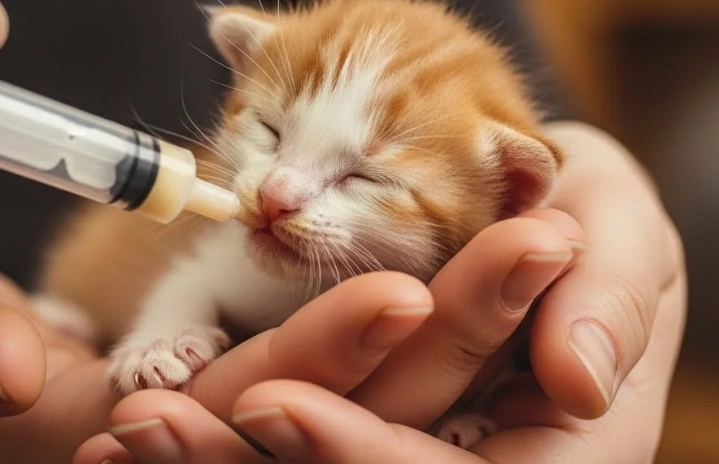
2. Hypoglycemia (Running on Empty)
They have no fat reserves. They need to eat every 2-3 hours. Miss a couple of feedings, and their blood sugar crashes. This leads to weakness, seizures, and coma. A kitten that's too weak to latch needs help, not just encouragement.
3. Dehydration (More Than Just Thirst)
It's not just about fluid in; it's about fluid out. Diarrhea from unsuitable formula or infection can drain a kitten in hours. So can a too-hot environment. Dehydration thickens the blood, strains the heart, and shuts down the kidneys.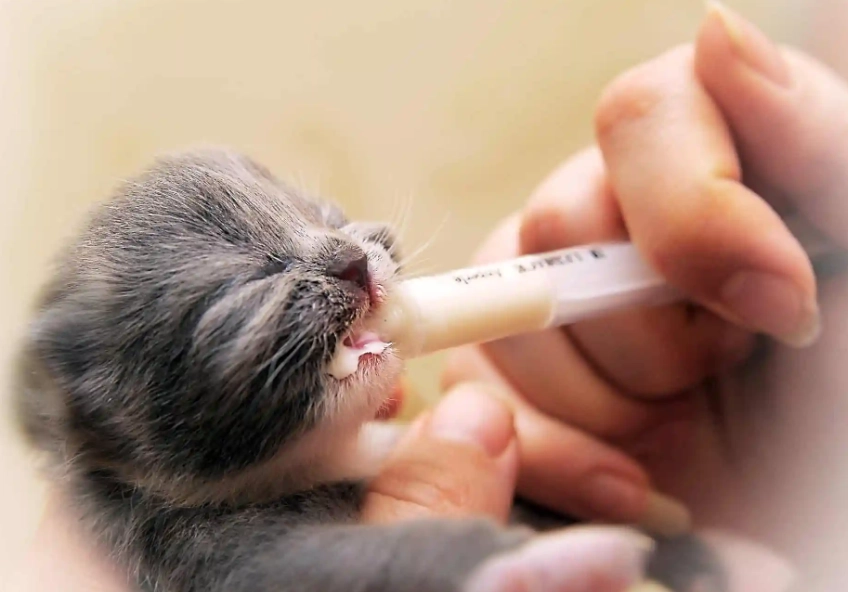
4. Neonatal Isoerythrolysis (The Hidden Blood Feud)
This one is a heartbreaker for breeders. If a queen has a certain blood type (like Type B) and mates with a tom with a different type, her first milk (colostrum) contains antibodies that attack her own kittens' red blood cells. The kittens fade and die within days. The non-consensus point here? Many think only purebred cats are at risk. While more common in breeds like British Shorthairs, it can happen in any cat with Type B blood, including moggies. If kittens from a healthy mom start fading uniformly in the first 72 hours, suspect this. The only prevention is knowing the queen's blood type before breeding.
5. Congenital Defects & Infections
Some kittens are born with heart defects, cleft palates, or other issues incompatible with life. Infections, often from bacteria like E. coli or viruses like panleukopenia, can be passed from the mom or the environment. A common oversight is assuming the mother cat is "clean." She can harbor bacteria like Bartonella or viruses like Feline Herpesvirus without showing symptoms herself, then pass them to her vulnerable newborns.
How to Perform Emergency Care for a Fading Kitten
This is the core of the guide. If you have a fading kitten, stop reading and start doing these steps in order. I've based this on protocols from the American Association of Feline Practitioners (AAFP) and a decade of hands-on triage.
Step 1: Assess and Warm (DO NOT FEED YET)
Check for responsiveness. Gently stroke or tap. If no response, check for breathing. If not breathing, you may need to perform very gentle chest compressions and rescue breathing (a topic for another guide). Assuming it's breathing but weak:
Warming is non-negotiable. Do not use direct high heat like a heating pad on high or a hairdryer. You'll cook them or cause dangerous blood pressure swings.
- Create a warm incubator. Fill a sock with uncooked rice, microwave it for 1 minute, wrap it in a towel, and place it in a small box or carrier.
- Wrap the kitten in a soft cloth and place it next to (not on) the rice sock.
- Alternatively, hold the kitten against your own skin under your shirt. Your body heat is perfect.
- Aim to raise the temperature slowly over 30-60 minutes. You want the kitten to feel warm to your touch, not hot.
Step 2: Check for Dehydration and Provide Fluids
Once the kitten is warm (you'll feel the change), assess dehydration. Pinch the skin at the scruff. If it doesn't snap back immediately, it's dehydrated.
For mild dehydration, feeding a balanced kitten formula (like KMR) will help. For significant tenting, the kitten may need subcutaneous (SQ) fluids. This is a vet skill, but in a true pinch, a vet can talk you through it over the phone. The fluid of choice is warmed lactated Ringer's solution.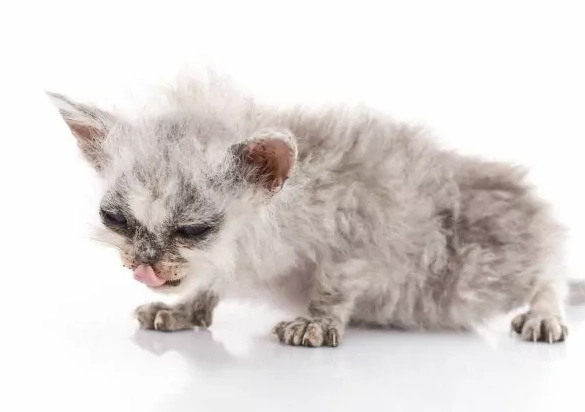
Step 3: Address Hypoglycemia (The Sugar Boost)
This is where many go wrong. They use honey or Karo syrup. These are too concentrated and can cause digestive upset.
The safer method: mix a bit of kitten formula with an equal part of warm water to make a "sugar water." Using a 1mL syringe (no needle!), place a drop on the kitten's lips and gums. Let it swallow. Give about 0.5mL every 10 minutes for 3-4 doses. This provides a quick glucose hit without overwhelming the stomach.
Step 4: Feeding the Stabilized Kitten
Only after the kitten is warm, hydrated, and has had a glucose boost should you attempt a full feeding.
- Use a commercial kitten milk replacer, warmed to about 100°F (38°C).
- Feed every 2-3 hours, around the clock.
- DO NOT force-feed or hold the kitten on its back. This can cause aspiration pneumonia, which is often fatal. Hold the kitten upright or on its stomach, let a drop of milk touch its mouth, and allow it to swallow.
- After feeding, you must stimulate them to urinate and defecate by gently rubbing their genital area with a warm, damp cotton ball. This mimics the mother's licking.
Your FKS Prevention and Nursing Plan
An ounce of prevention is worth a pound of emergency care. Here’s your daily routine for the first four weeks.
The Daily Weigh-In: Every morning, at the same time, weigh each kitten. Record it. A healthy kitten should gain 7-10 grams per day. No gain for two days is a red flag.
The Nest Setup: A plastic tub with low sides, lined with soft blankets. A heating pad set on low should be under only HALF of the tub. This creates a thermal gradient so kittens can move away if too hot. The room should be draft-free and kept at 75-80°F (24-27°C).
Supporting the Queen: Feed the mother a high-calorie, high-quality kitten food. She needs the energy. Ensure she is healthy, dewormed, and vaccinated (before pregnancy) to minimize infection risk to the kittens.
The Isolation Rule: Keep the litter isolated from other household pets and limit visitor handling for the first few weeks to reduce pathogen exposure.
Your Fading Kitten Syndrome Questions Answered
Fading Kitten Syndrome is a race against time, but it's not an automatic death sentence. Your knowledge and swift action are the most powerful medicines a newborn kitten has. Arm yourself with the right supplies—a digital scale, a heating source, kitten milk replacer, and syringes—and the right knowledge. Weigh daily, watch closely, and act without hesitation at the first sign. You can be the difference between fading and fighting.
Related Articles